How Much Sunlight Do Plain gentian Need?
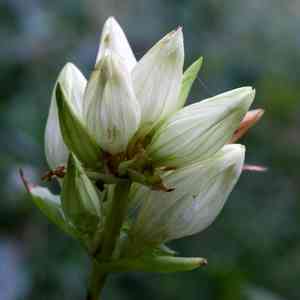
1
Plain gentian flourishes optimally with more than 6 hours of direct sun exposure each day.
2
Employing a light meter assists in precisely gauging the illumination your Plain gentian gets.
3
Excessive sun can lead to Plain gentian sunburn, identified by singed foliage.
Optimal Sunlight Requirements for Plain Gentian
Full Sun vs. Partial Shade
Regarding light needs, Plain gentian thrives in full sun. This implies an ideal placement where it gets over 6 hours of direct sunlight daily. However, Plain gentian can also endure partial shade, meaning 3-6 hours of direct sun. Partial shade might be better in very hot climates to shield the plant from intense midday rays.
Daily Sunlight Duration Needed
Plain gentian requires at least 6 hours of daily sunlight to flourish. These hours can be spread throughout the day, but the plant benefits most from morning sun, which is less harsh and doesn't overheat the plant. Ensuring adequate light helps it grow robustly and produce vibrant flowers.
Monitoring Sunlight Exposure for Plain Gentian
Utilizing a Sunlight Meter
A sunlight meter is an excellent tool for gardeners to precisely measure the light their Plain gentian receives. These devices are easy to use and offer real-time data on light intensity. Position the meter near the plant for a full day to understand the light patterns in that spot. This info can help determine if the location is suitable or if the plant needs relocation.
Observing Plant Behavior
Another practical method is to observe the plant's reactions. If leaves lean toward the light source, it might not be getting enough sun. Conversely, if leaves are scorched or the plant appears stressed, it could be receiving too much sunlight. Regular observations can guide adjustments to better meet the plant's light requirements.
Protecting Plain Gentian from Excessive Sunlight
Employing Shade Cloth
If you notice signs of sunburn or wilting from too much sun, using a shade cloth can be an effective solution. Shade cloths are designed to filter sunlight to varying degrees. A cloth with 30-50% shading can protect your Plain gentian during the hottest parts of the day, allowing it to get enough light without the damaging effects of intense sun exposure.
Strategic Planting
Strategic placement can also help shield your Plain gentian from excessive sunlight. Planting it near taller plants or structures that offer dappled shade during peak sun hours can reduce sunburn risk. Alternatively, if container gardening, simply moving pots to a shadier spot during the hottest part of the day can be very effective.
Common Sunlight-Related Issues for Plain Gentian
Signs of Sunburn
Sunburn in Plain gentian appears as brown or scorched patches on the leaves. These areas may also become dry and brittle. If you observe such symptoms, the plant needs more protection from direct sunlight. Consider adjusting its location or providing extra shade during peak sun hours.
Symptoms of Insufficient Light
Conversely, inadequate sunlight can lead to pale, yellowing leaves and weak, elongated growth. The plant might also produce fewer or no blooms. If you notice these signs, try moving your Plain gentian to a sunnier spot to improve its health and vigor.
Best Locations for Growing Plain Gentian
Outdoor Environments
For outdoor settings, Plain gentian performs best in spots that receive ample morning sunlight. East-facing gardens are ideal. Alternatively, placing them near structures like fences or larger plants that provide afternoon shade can ensure they get the right light balance without overheating.
Indoor Cultivation Advice
When growing Plain gentian indoors, position the plant near south or west-facing windows where it can receive sufficient sunlight. You may need to rotate the plant periodically to ensure even light exposure. If natural light is insufficient, using grow lights can help provide the essential hours of light needed for the plant's growth.



