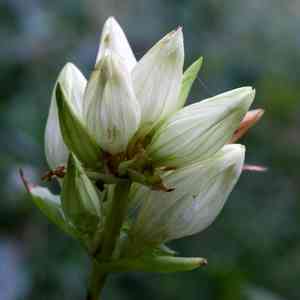
Plain gentian (Gentiana alba)
Also known as: Pale gentian
The plain gentian, native to North America, thrives in open prairies and woodlands. The species name, Gentiana alba, honors Genius, the King of Illyria, who is credited with discovering the plant's medicinal properties. The term "alba" is Latin for "white," describing the color of its flowers.
In This Article
Attributes of Plain gentian
Lifespan
Perennial
Plant Type
Herb
Plant Height
61 cm to 91 cm
Spread
30 cm to 60 cm
Leaf Color
Green
Flower Size
3 cm to 4.5 cm
Flower Color
Yellow Green White
Images of Plain gentian
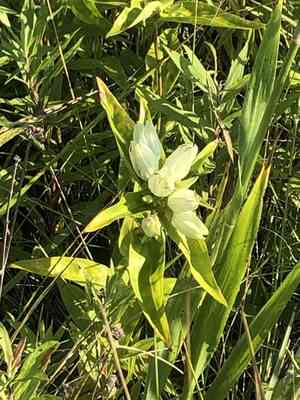
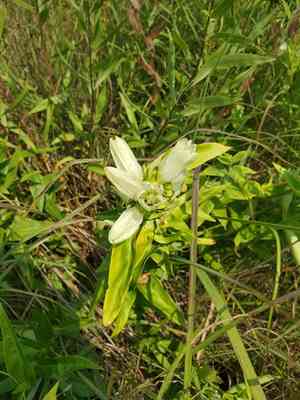
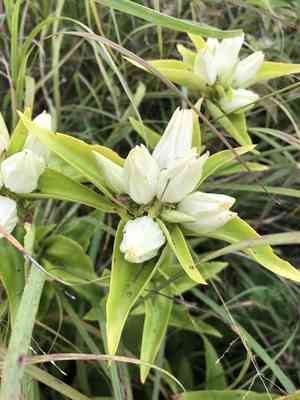
Quickly Identify Plain gentian
1
Gentiana alba can be identified by its tall stems, which bear opposite leaves. The flowers are funnel-shaped and white, sometimes with greenish or yellowish tinges, and appear in late summer or early fall.
Scientific Classification of Plain gentian
Phylum
Vascular plants
Class
Dicotyledons
Order
Gentianales
Family
Gentian
Genus
Gentian
Species
Plain gentian
Planting and Growing of Plain gentian
Care Difficulty
Moderate
Watering Schedule
Every 2 days
Sunlight Requirements
Partial sun
Sunshine Duration
4-8 hours
Ideal Temperature
60-75℉
Soil Type
Potting Mix, Peat Mix
Soil pH
6.5-7.5
Fertilizer Type
Balanced
Pruning Season
Spring, Summer
Pruning Area
Branches, Leaves
Pruning Frequency
Once a year
Repotting Season
Spring
Pot Type
Plastic, Ceramic
 How to Water Plain gentian?
Gentiana alba prefers well-drained soil, so while watering, ensure the soil is thoroughly moist without being waterlogged. Use about 250 ml of water per session to maintain a balanced moisture level in the soil. The key is to allow the top inch of the soil to dry out between waterings to prevent root rot.
What are the symptoms of an underwatered Plain gentian?
›
What should I do if my Plain gentian is not getting enough water?
›
What are the symptoms of an overwatered Plain gentian?
›
How to save an overwatered Plain gentian?
›
 What Are the Sunlight Requirements for Plain gentian?
Gentiana alba benefits from partial sun, receiving around 3 to 5 hours of sunlight daily, which supports optimal flowering and foliage health.
More About Sunlight Requirements Techniques→
Optimal Light Requirement
›
Light Acquisition Solution
›
Benefits of Ideal Lighting
›
 What Is the Ideal Temperature Range for Plain gentian?
The ideal temperature range for cultivating Gentiana alba is between 60°F and 75°F. This range is optimal because it aligns with the plant's natural habitat conditions, ensuring effective growth and blooming. Maintaining these temperatures helps the plant perform critical physiological processes such as photosynthesis and nutrient absorption efficiently.
 What Soil is Best for Plain gentian?
Gentiana alba thrives in well-draining soil that prevents water from stagnating, reducing the risk of root rot and ensuring optimal nutrient uptake. This plant prefers soil of moderate fertility, providing it with essential nutrients without overwhelming its system, promoting steady growth. Maintaining a consistent moisture level while ensuring good soil aeration helps Gentiana alba maintain its health and longevity in various environments.
 How to Fertilize Plain gentian?
For Gentiana alba, it is crucial to use a balanced fertilizer, preferably a 10-10-10 NPK ratio. During active growth, apply 1/2 teaspoon per gallon of water for liquid fertilizers, ensuring even distribution around the root zone. Over-fertilization can cause root burn, so it’s best to err on the side of caution.
 How to Prune Plain gentian?
Begin by removing spent flowers to enhance the plant's aesthetic and encourage more blooms. Snip just above the next healthy leaves to ensure you don’t cut into any potential new growth. Lightly prune back any overly long or leggy stems to maintain the plant's structure and prevent it from looking unkempt. This helps in directing the plant’s energy towards new growth and flowering. Trim the plant to your desired shape, keeping it within your garden’s aesthetic and practical limits. Shaping is not only for appearance but also helps air circulation which reduces disease risk.
More About Pruning Techniques→
 How to Propagate Plain gentian plant?
1
Soak Gentiana alba seeds in water for 24 hours before sowing to help break dormancy and enhance germination rates. Use a seed tray filled with a mixture of peat and sand for best results.
2
Sow the seeds on the surface of the soil mixture without covering them deeply. Light is needed for germination, so it's important to keep them exposed but moist by misting with water regularly.
3
Divide mature Gentiana alba plants in early spring. Carefully separate roots with a sharp knife, ensuring each division has at least one shoot and a portion of root for successful regrowth.
 How to Repot Plain gentian plant?
1
The ideal time to repot Gentiana alba is when the growth starts to slow down or the roots begin circling the bottom of the pot. This plant typically shows signs of needing repotting with a reduced growth rate, or roots protruding from drainage holes, suggesting that the roots are occupying all available space in the pot.
2
Select a pot that is one to two inches larger in diameter than the current one, ensuring proper drainage with sufficient holes. A slightly larger pot provides the roots additional space to grow, preventing root-binding, and helps in maintaining even moisture levels.
3
Opt for a well-draining, sandy loam soil mix enriched with organic matter. This choice prevents waterlogging, delivers essential nutrients, and replicates the plant's natural habitat, promoting healthy growth and vibrant flowering.
Learn More About Plain gentian Diseases
Anthracnose
Bacterial Leaf Spot
Bacterial Soft Rot
Bacterial Wilt
Chemical Injury
Crown Gall
Cyst Nematode
Damping-off
Downy Mildew
Drought Stress
Fusarium Wilt
Gray Mold
Leaf Spot
Mosaic
Nutrient Deficiency
Nutrient Toxicity
Powdery Mildew
Root Rot
Root-knot Nematode
Rusts
Sooty Mold
Spider Mites
Temperature Stress
Thrips Damage
White Mold



