How to Prune Plain gentian?
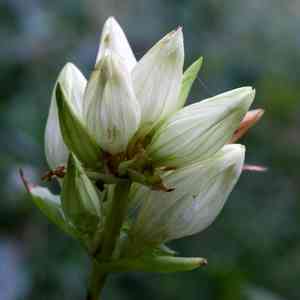
This robust perennial, recognized for its bell-shaped blossoms, plain gentian thrives with minimal trimming to eliminate faded flowers and preserve its form. Perform pruning consistently, as it withstands cutting throughout the year. Removing spent flowers after their bloom period encourages additional flowering and deters self-propagation, contributing to a neat garden appearance. No elaborate procedures are necessary; straightforward cuts are adequate for the enduring health and visual appeal of plain gentian.
What Are the Benefits of Pruning Plain Gentian?
What Are the Benefits of Pruning Plain Gentian?
Trimming plain gentian promotes more abundant flowering, stimulates its development, and helps maintain its desired shape. Regular trimming ensures plain gentian stays healthy, visually appealing, and well-proportioned in the garden.
What Is the Best Time for Pruning Plain Gentian?
What Is the Best Time for Pruning Plain Gentian?
Trimming plain gentian in late winter to early spring is recommended while the plant is still inactive, which minimizes stress and the risk of disease. This timing allows for the removal of damaged or dead tissue before new growth starts, fostering a healthier plant structure. It also aligns with the plant's natural growth cycle, preparing it for vigorous growth in spring. Pruning outside the suggested period can negatively impact the health and flowering of plain gentian, as it may disrupt the growth cycle and vitality of the plant.
What Tools Do I Need to Prune Plain Gentian?
Hand Pruners
Perfect for making precise cuts on plain gentian's stems, ensuring minimal harm to the plant. Choose sharp, bypass pruners that make clean cuts and promote quick healing.
Pruning Scissors
Useful for snipping off plain gentian's dead or yellowing foliage. Fine-pointed scissors offer controlled cutting, preventing damage to nearby stems and leaves.
How to Prune Plain Gentian
Clean tools
Before starting the trimming process, clean and sanitize all pruning tools to prevent the spread of disease to plain gentian.
Remove diseased parts
Carefully remove any diseased leaves and branches from plain gentian using sharp, clean pruning shears. Make cuts close to the main stem, but avoid damaging healthy tissue.
Eliminate dead material
Cut off any dead branches or withered leaves from plain gentian to encourage healthy growth and air circulation. Ensure cuts are clean and made at a slight angle to facilitate water runoff.
Deadhead flowers
Remove faded flowers by snipping the flower stems just above a leaf node or bud to promote further blooming in plain gentian and to maintain its attractive appearance.
Disinfect prune sites
After trimming plain gentian, disinfect the cuts to protect against infections. Use a recommended horticultural disinfectant or create a solution of 1 part bleach to 9 parts water.
Common Pruning Mistakes with Plain Gentian
Over-pruning
Removing too much growth at once can stress plain gentian, potentially leading to reduced vigor and fewer flowers. Aim to prune no more than one-third of the plant at a time.
Imprecise cuts
Making jagged or torn cuts can damage plain gentian's stems, creating potential entry points for disease. Use sharp, clean pruning tools to make smooth, angled cuts.
Pruning for size alone
Plain gentian should not be trimmed solely for size control, as indiscriminate cutting can disrupt its natural growth pattern. Pruning should also consider the plant's health and flowering potential.
Ignoring dead or diseased stems
Failing to remove dead, diseased, or damaged stems can attract pests and diseases. Such stems should be trimmed promptly to maintain the health of plain gentian.
Pruning without a plan
Approaching the trimming task without understanding plain gentian's growth habit can result in a poorly shaped plant. Study the natural form of plain gentian before making cuts.
Common Pruning Tips for Plain Gentian
Clean tools
Sanitize pruning tools before and after use to prevent the spread of diseases to or from plain gentian. Alcohol or a bleach solution can be used for cleaning.
Consider growth habit
Understand the growth pattern of plain gentian to identify where to make cuts. Pruning should enhance the plant's natural shape and encourage healthy growth.
Timing
While timing is not to be elaborated on, it's crucial to note that incorrect timing can hinder flowering. Adhere to the already mentioned best pruning season for plain gentian.
Removal of spent flowers
Deadheading, or the removal of faded flowers, can stimulate plain gentian to produce new blooms and prevent the plant from spending energy on seed production.
Thinning
Thin out congested areas to improve air circulation and light penetration, which is vital for the health and flowering of plain gentian. However, be careful not to thin too much at once.
Protect the base
Avoid cutting into the woody base of plain gentian, as this can damage the plant. Prune only the soft, green growth unless removing entire spent stems.



