How to Transplant Northern dwarf huckleberry?
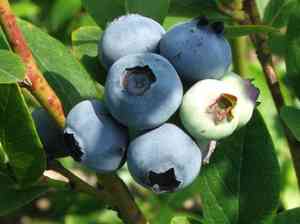
Northern dwarf huckleberry thrives when relocated between early and late spring, facilitating ideal root development. It favors locations with full sun to partial shade, so select a site with well-draining, acidic soil. Water consistently after transplanting for superior outcomes.
What Preparations are Needed Before Transplanting Northern Dwarf Huckleberry?
What is the Ideal Time for Transplanting Northern Dwarf Huckleberry?
The best time to move northern dwarf huckleberry is from early to mid-spring. This period offers mild temperatures and ample soil moisture, which encourages strong root growth and better establishment. Transplanting then also aligns with the plant's natural growth cycle, helping it adapt and flourish in its new spot.
How Much Space Should You Leave Between Northern Dwarf Huckleberry Plants?
For your northern dwarf huckleberry plants, position them approximately 3-5 feet (0.9-1.5 meters) apart. This spacing provides sufficient room for growth and prevents competition for essential resources.
What is the Best Soil Mix for Northern Dwarf Huckleberry Transplanting?
Prepare a fertile, well-draining acidic soil for your northern dwarf huckleberry plants. Incorporate a foundational fertilizer such as compost or a balanced organic option to provide a nutritional boost.
Where Should You Relocate Your Northern Dwarf Huckleberry?
Select a location that receives full sun to partial shade for your northern dwarf huckleberry plants. They thrive with a minimum of 4-6 hours of daily sunlight.
What Equipments Should You Prepare Before Transplantation Northern Dwarf Huckleberry?
Gardening Gloves
To safeguard your hands while handling soil and plants.
Shovel or Spade
For excavating the trench to extract the plant and creating holes at the new site.
Garden Trowel
To assist with precise digging around the root mass.
Watering Can or Hose
For hydrating the plant both before and after its relocation.
Mulch
To help maintain soil moisture and regulate temperature around the newly planted specimen.
Measuring Tape
To ensure correct spacing between plants at their new home.
Pruners
For trimming any damaged roots or branches during the transplanting process.
How Do You Remove Northern Dwarf Huckleberry from the Soil?
How Do You Remove Northern Dwarf Huckleberry from the Soil?
From Ground: First, moisten the northern dwarf huckleberry plant's soil. Next, dig a wide trench around the plant with a shovel or spade, ensuring the root ball stays intact. Carefully work the spade beneath the root ball to lift the plant from its original spot.From Pot: Water the northern dwarf huckleberry plant thoroughly before removal. Gently run a garden trowel around the pot's edge to loosen the soil. Carefully invert the pot, supporting the plant and soil with your hand, and tap the pot to release the plant. Lift the plant out, making sure to keep the root ball intact.From Seedling Tray: Water the seedlings well before transplanting. Use a garden trowel or your hand to gently scoop out the seedlings from the tray, ensuring you retain as much soil around the roots as possible. Handle the seedlings by their leaves to avoid harming the delicate stems.
Step-by-Step Guide for Transplanting Northern Dwarf Huckleberry
Site Preparation
Prepare the new location by digging a hole that is twice as wide and as deep as the northern dwarf huckleberry's root ball. Ensure the soil at the bottom of the hole is loose to aid root penetration.
Plant Removal
Follow the specified method for extracting the northern dwarf huckleberry from its initial spot, minimizing damage to the root ball.
Transplanting
Position the removed plant in the center of the prepared hole. Adjust the plant so it sits at the same depth as it was in its previous location. Fill the hole with soil, gently pressing down to eliminate air pockets.
Watering
Immediately water the newly transplanted northern dwarf huckleberry thoroughly to help settle the soil around the roots and reduce transplant shock.
Mulching
Apply a layer of mulch around the plant's base, keeping it a few inches away from the stem to prevent rot. Mulch helps retain moisture and regulate soil temperature.
How Do You Care For Northern Dwarf Huckleberry After Transplanting?
Watering
Keep the soil around the northern dwarf huckleberry consistently damp, but not waterlogged, for the initial weeks post-transplant to encourage strong root development.
Monitoring
Regularly inspect the plant for any indications of transplant shock, such as wilting or yellowing leaves. Provide extra water or shade if necessary.
Pruning
Remove any damaged or unhealthy branches to redirect energy towards vigorous growth.
Mulch Maintenance
Replenish the mulch layer as needed to continue providing moisture retention and temperature regulation.
Fertilization
After a few weeks, consider applying a balanced, slow-release fertilizer to support the plant’s development.
Troubleshooting Common Issues with Northern Dwarf Huckleberry Transplantation.
When is the best time to transplant northern dwarf huckleberry?
Early to late spring is the ideal period for successfully transplanting northern dwarf huckleberry.
How much spacing should be between each northern dwarf huckleberry?
Space each northern dwarf huckleberry 3-5 feet (0.9-1.5 meters) apart to ensure proper growth.
How should I prepare the soil before transplanting northern dwarf huckleberry?
Ensure soil is well-drained, slightly acidic, and rich in organic matter for optimal results.
What should I do if the leaves of northern dwarf huckleberry turn yellow after transplanting?
Yellow leaves indicate water stress. Ensure consistent moisture without saturating the roots.
How deep should I plant northern dwarf huckleberry during transplanting?
Plant northern dwarf huckleberry at the same depth it was growing in its previous location to prevent shock.
How often should I water northern dwarf huckleberry after transplanting?
Water northern dwarf huckleberry thoroughly immediately after transplanting, then keep the soil consistently moist, not soggy.
Can I transplant northern dwarf huckleberry during summer or fall?
Avoid transplanting northern dwarf huckleberry during hot summer or fall to reduce transplant shock and stress.
What should I do if northern dwarf huckleberry wilts after transplanting?
Check soil moisture levels and provide shade if necessary to help the plant recover from wilting.
Do I need to fertilize northern dwarf huckleberry after transplanting?
Fertilize lightly with a slow-release, balanced fertilizer in early spring to support new growth.
How can I reduce transplant shock in northern dwarf huckleberry?
Water well, use mulch to retain moisture, and avoid disturbing the roots more than necessary.



