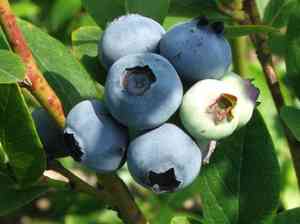
Northern dwarf huckleberry (Gaylussacia bigeloviana)
Also known as: Bog Huckleberry
Gaylussacia bigeloviana, also known as bog huckleberry, is a deciduous shrub that can reach heights of up to 1 meter and often forms dense clusters. Its leaves are thick and leathery, with a glossy upper surface and a lighter green underside. The plant produces clusters of 3-7 small flowers that can be white, pink, or red. The resulting berries are black and juicy, though they tend to have a bland flavor.
This shrub is typically found in wet, acidic environments such as swamps and marshes. It is commonly associated with Sphagnum moss in bog ecosystems and thrives in areas with ample moisture and partial to full sunlight.
In This Article
Attributes of Northern dwarf huckleberry
Lifespan
Perennial
Plant Type
Vine, Shrub
Plant Height
0.5-1 meter
Spread
0.5-1.5 meters
Leaf Color
Glossy green
Flower Size
0.3-0.5 cm
Flower Color
White Red Green
Images of Northern dwarf huckleberry
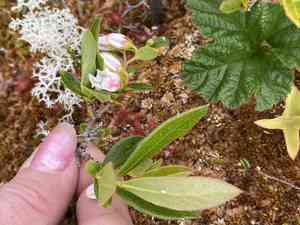
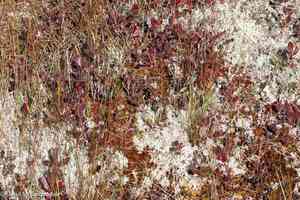
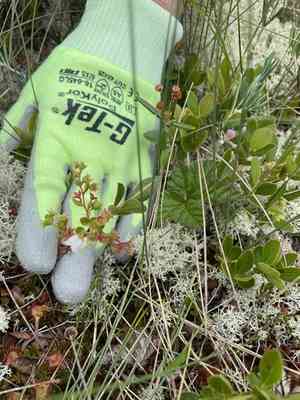
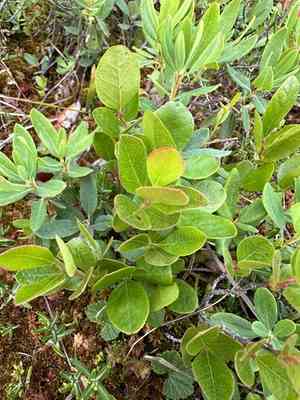
Quickly Identify Northern dwarf huckleberry
1
Identify this plant by its small, shrub-like appearance, typically growing to 0.5-1 meter tall. Its leaves are elliptic to oblong, 1-3 cm long, and 0.5-1.5 cm wide, with a glossy green top and lighter underside. The berries are blue-black and covered in a waxy coating.
Scientific Classification of Northern dwarf huckleberry
Phylum
Vascular plants
Class
Dicotyledons
Order
Ericales
Family
Heath
Genus
Huckleberry
Species
Northern dwarf huckleberry
Planting and Growing of Northern dwarf huckleberry
Care Difficulty
Moderate
Watering Schedule
Every 2 days
Sunlight Requirements
Partial sun
Sunshine Duration
4-6 hours
Ideal Temperature
60-75℉
Soil Type
Potting Mix, Peat Mix
Soil pH
4.5-5.5
Fertilizer Type
Balanced
Pruning Season
Spring, Summer
Pruning Area
Branches, Leaves
Pruning Frequency
2 times a year
Repotting Season
Spring
Pot Type
Plastic, Ceramic
 How to Water Northern dwarf huckleberry?
When watering Gaylussacia bigeloviana, aim for about 150 milliliters each time. This plant prefers moist soil but not soaking wet; water until the soil is evenly damp but ensure that excess water drains away completely.
What are the symptoms of an underwatered Northern dwarf huckleberry?
›
What should I do if my Northern dwarf huckleberry is not getting enough water?
›
What are the symptoms of an overwatered Northern dwarf huckleberry?
›
How to save an overwatered Northern dwarf huckleberry?
›
 What Are the Sunlight Requirements for Northern dwarf huckleberry?
Partial sun; achieving this ensures robust growth and vibrant foliage, enhancing the plant’s overall health and aesthetic appeal.
Sunlight Requirement
›
Solution for Optimal Lighting
›
Effects of Ideal Light
›
 What Is the Ideal Temperature Range for Northern dwarf huckleberry?
The ideal temperature range for cultivating Gaylussacia bigeloviana falls between 60°F to 75°F. Maintaining these temperatures promotes optimal growth, ensuring the plant receives the warmth needed without excessive heat that could stress the plant.
 What Soil is Best for Northern dwarf huckleberry?
Gaylussacia bigeloviana thrives in soil that retains moisture well. The plant's root system benefits from consistent hydration, ensuring lush growth and an extensive blooming season. This is especially crucial during hotter periods to maintain plant vitality. This plant excels in nutrient-rich soils, which support its need for sustained growth. The abundance of organic matter in such soils provides essential nutrients that enhance the plant's vigor and resistance to diseases. While moisture is critical, proper drainage is essential to prevent waterlogging. This balance prevents root rot and other moisture-related diseases, ensuring Gaylussacia bigeloviana remains healthy and vibrant throughout its life.
 How to Fertilize Northern dwarf huckleberry?
For Gaylussacia bigeloviana, it is vital to use a balanced fertilizer. When using liquid fertilizer, dilute it to half the recommended strength. This ensures that the plant receives the necessary nutrients without the risk of over-fertilization. A quarter cup of slow-release fertilizer per application is often sufficient.
 How to Prune Northern dwarf huckleberry?
Start by sterilizing your pruning shears to prevent the spread of disease. Identify dead, damaged, or diseased branches and cut them back to healthy wood. Remove any crossing branches to prevent rubbing and eliminate growth that is weak or has poor form. Always cut at a 45-degree angle above healthy buds to encourage optimal growth. Focus on maintaining an open center for air circulation and light penetration. Thin out congested areas to balance the shrub's shape. When cutting, aim for outward-facing buds to direct new growth away from the center and create a more appealing form. Ensure an even distribution of branches to minimize the risk of structural weaknesses. Do not prune during extreme weather conditions, as this can stress the plant. Prune in cool, overcast conditions when possible. Use clean, sharp tools to achieve smooth cuts and reduce plant trauma. Invest in quality tools like bypass pruners for clean cutting and loppers for thicker branches.
More About Pruning Techniques→
 How to Propagate Northern dwarf huckleberry plant?
1
Collect seeds from ripe Gaylussacia bigeloviana fruits. Sow them in well-draining soil and cover lightly. Keep the tray in a warm place with indirect sunlight, maintaining consistent moisture.
2
Select healthy stems and cut 4-6 inches sections with a sharp tool. Remove lower leaves and dip the end in rooting hormone before planting in a suitable medium.
3
Carefully dig up mature Gaylussacia bigeloviana, separating the plant into sections with at least a few roots attached. Replant these sections in appropriate locations with similar soil conditions.
 How to Repot Northern dwarf huckleberry plant?
1
Signs that it's time to repot Gaylussacia bigeloviana include roots protruding from the drainage holes or visible on the soil surface. Another indicator is slowed growth despite adequate caregiving. Spring or early summer is ideal as the plant's growth phase accelerates, making recovery swift and robust.
2
Select a pot only one size larger than the current one to avoid excess soil moisture, which can cause root rot. Ensure the pot has numerous drainage holes to prevent waterlogging, promoting healthy root development and overall plant vitality.
3
Use a well-draining, acidic soil mix with components like peat and pine bark. This soil structure mimics the plant's natural habitat, allowing roots to breathe and thrive while preventing root rot from excess moisture retention.
Learn More About Northern dwarf huckleberry Diseases
Anthracnose
Bacterial Leaf Spot
Bacterial Wilt
Crown Gall
Damping-off
Downy Mildew
Drought Stress
Fusarium Wilt
Gray Mold
Leaf Curl
Leaf Spot
Mosaic
Nutrient Deficiency
Nutrient Toxicity
Powdery Mildew
Root Rot
Root-knot Nematode
Rusts
Sooty Mold
Spider Mites
Temperature Stress
Thrips Damage
White Mold



