How to Prune Northern dwarf huckleberry?
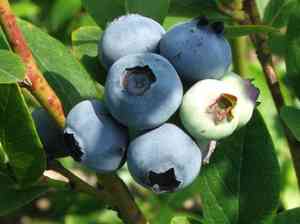
This compact, perennial woody plant flourishes in acidic ground and dappled sunlight. For northern dwarf huckleberry, the most suitable period for trimming is in late winter or early spring, prior to the emergence of new shoots. Concentrate on excising deceased or injured limbs and reducing crowded sections to foster air movement and light access, thereby improving the plant's general well-being. Consistent trimming preserves its dense form and stimulates robust development, which is crucial for both its visual attractiveness and the yield of berries in this fruit-bearing variety.
Advantages of Trimming Northern Dwarf Huckleberry
Advantages of Trimming Northern Dwarf Huckleberry
Trimming northern dwarf huckleberry promotes robust development and preserves its form. By eliminating older, overgrown stems, you encourage healthier, more vigorous new growth, ensuring the plant stays compact and well-shaped. This not only improves its look but also enhances the plant's overall health and vitality.
Optimal Period for Trimming Northern Dwarf Huckleberry
Optimal Period for Trimming Northern Dwarf Huckleberry
Trimming northern dwarf huckleberry in late winter or early spring is recommended as this timing avoids disrupting the plant's growth cycle and bloom period. Pruning before new spring growth supports healthier and more vigorous development. During late winter, the plant is dormant, allowing gardeners to shape and manage the plant structure without causing stress. Furthermore, removing dead or damaged branches at this stage helps prevent disease and improves sunlight exposure and air circulation, which are vital for flowering and fruiting later in the season.
Required Tools for Trimming Northern Dwarf Huckleberry
Hand Pruners
Perfect for making precise cuts on the thinner, more delicate branches of northern dwarf huckleberry. These tools allow for clean and sharp cuts, which help prevent damage to the plant tissues, crucial for the health of northern dwarf huckleberry.
Pruning Shears
Excellent for shaping and trimming northern dwarf huckleberry to maintain an aesthetically pleasing form, given its relatively small size and delicate stems. Their ergonomic handles and sharp blades ensure minimal effort and maximum efficiency.
Hand Saw
Suitable for older, woodier stems that may be too thick for hand pruners or shears. The hand saw will assist in removing these thicker branches smoothly without causing undue stress on the plant.
Lopping Shears
Useful for reaching deeper into the plant or for cutting slightly thicker branches than can be managed by hand pruners. This tool will help in maintaining the inner structure of northern dwarf huckleberry, promoting air circulation and light penetration which is vital for healthy growth.
How to Trim Northern Dwarf Huckleberry
Identify infected areas
Examine northern dwarf huckleberry closely to identify diseased and withered leaves. Look for discoloration, spots, or unusual texture as indicators of unhealthy foliage.
Sterilize tools
Before starting the pruning process, sterilize your pruning shears or scissors. Use a solution of bleach or alcohol to disinfect your tools. This prevents the spread of disease to healthy parts of northern dwarf huckleberry.
Trim unhealthy leaves
Carefully remove diseased and withered leaves from northern dwarf huckleberry using the sterilized pruning tools. Make clean cuts at the base of each affected leaf to avoid tearing the stems or damaging the healthy parts.
Dispose
Properly dispose of the removed leaves to prevent any reinfection. Do not compost diseased material as it can harbor pathogens that might spread to other plants.
Monitor
After pruning, monitor northern dwarf huckleberry regularly for new signs of disease or poor health. Early detection and removal of affected leaves can help maintain the overall health of the plant.
Common Trimming Errors with Northern Dwarf Huckleberry
Excessive pruning
Removing too much foliage can stress northern dwarf huckleberry, deplete its energy reserves, and hinder its growth. Novices often cut back more than the recommended 1/3 of the total shrub volume, which can diminish the plantâs vigor and fruit production.
Incorrect technique
Using dull or unsanitized pruning tools may introduce diseases to northern dwarf huckleberry. Incorrect cutting angles and jagged cuts can also hinder the plant's natural healing process, increasing the susceptibility to infections.
Pruning healthy wood
A frequent error is the unnecessary removal of healthy branches. This can reduce the plant's ability to photosynthesize effectively and produce less fruit.
Ignoring diseased or dead branches
Neglecting to remove diseased or dead branches can lead to the spread of diseases and pests. This oversight is detrimental to the overall health and aesthetics of northern dwarf huckleberry.
General Trimming Advice for Northern Dwarf Huckleberry
Use sharp tools
Always use sharp, clean pruning shears. This ensures clean cuts that heal quickly, keeping northern dwarf huckleberry healthy and reducing the risk of disease.
Focus on damaged branches
Prioritize removing dead, damaged, or diseased branches. This not only cleans up the appearance of northern dwarf huckleberry but also redirects energy to healthier parts, promoting better growth and fruiting.
Thin interior
Thin out the interior branches to improve air circulation and light penetration. This is crucial for reducing the risk of fungal diseases and encouraging even growth and fruit production.
Maintain natural shape
When pruning, aim to maintain the natural, bushy shape of northern dwarf huckleberry. Over-sculpting or creating an unnatural shape can stress the plant and affect its overall health and productivity.



