How to Propagate Northern dwarf huckleberry?
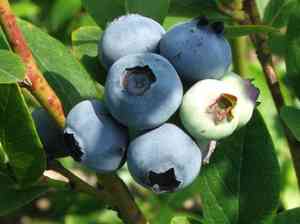
Northern dwarf huckleberry flourishes when reproduced via cuttings. Choose robust, non-blooming stems during their growth phase for the best outcome. Utilizing sharp, sterilized instruments for making incisions is crucial to prevent plant contamination. For root development, a blend of peat and perlite offers superior support, keeping the cutting damp yet not oversaturated. Sustaining elevated humidity levels around the cuttings can boost rooting effectiveness, frequently accomplished by enclosing them with a plastic cover or bag.
When Is the Optimal Time to Propagate Northern Dwarf Huckleberry?
Propagation Method
Cutting
Propagation Period
Spring,Summer
What Equipment Is Used in Northern Dwarf Huckleberry Propagation?
Sharp Pruning Shears
These are vital for obtaining clean and precise cuttings from northern dwarf huckleberry. Sharp blades help ensure the cut is smooth, not jagged, which promotes better healing and root development. Using sanitized, sharp pruning shears reduces disease transmission risk during cutting.
Rooting Hormone
This chemical compound stimulates root development from cuttings. Applying rooting hormone to the freshly cut base of northern dwarf huckleberry's stem aids in quicker root initiation and stronger root growth. This is crucial as northern dwarf huckleberry might otherwise take longer to establish roots, being a berry plant with delicate stems.
Sterile Potting Mix
A light, nutrient-rich potting mix free from pathogens is essential for northern dwarf huckleberry's rooting. This medium provides necessary support and nutrients while preventing diseases that can affect fragile new roots. A mix formulated for acid-loving plants is ideal, matching northern dwarf huckleberry's natural soil preferences.
Humidity Dome or Plastic Cover
Maintaining a high humidity environment is critical for successful northern dwarf huckleberry propagation via cuttings. A humidity dome or a simple clear plastic cover over the planting container helps retain moisture and warmth, accelerating the rooting process while preventing the cutting from drying out.
How to Propagate Northern Dwarf Huckleberry?
Propagation Difficulty
Moderately Difficult
How to Nurture Your Newly Propagated Northern Dwarf Huckleberry?
How to Nurture Your Newly Propagated Northern Dwarf Huckleberry?
Post-propagation, maintain moist, acidic soil conditions for northern dwarf huckleberry, and provide filtered light or partial sun exposure. During initial growth, ensure protection from direct sun and wind. Regularly check for pests and diseases; early detection and treatment are crucial for northern dwarf huckleberry's health. A slow-release acidic fertilizer can be applied annually to support growth and fruit production.
Common Errors to Avoid When Propagating Northern Dwarf Huckleberry
Insufficient soil acidity
Utilizing soil that lacks adequate acidity can hinder northern dwarf huckleberry's growth, as it naturally thrives in acidic conditions. Incorrect soil pH can lead to poor nutrient absorption and reduced plant health.
Excessive watering
While northern dwarf huckleberry prefers moist conditions, too much water can cause root rot. This error can fatally damage the root system, preventing successful propagation.
Deep planting
Planting cuttings or seeds too deeply can prevent northern dwarf huckleberry from sprouting effectively. Depth can impact the availability of essential oxygen to the roots and emerging shoots.
Advice For Propagating Northern Dwarf Huckleberry
Use of acidic soil
Ensure the soil possesses a high acidity level, ideally with a pH that mimics northern dwarf huckleberry's natural habitat. Acidic soil supports the uptake of vital nutrients necessary for healthy growth and propagation.
Maintain proper moisture
Keep the soil consistently damp but not waterlogged. A balanced approach allows for proper root hydration without the risk of waterlogging, which is crucial for northern dwarf huckleberry's rooting process.
Shallow planting
Plant seeds or cuttings superficially to enhance oxygen availability to the roots and ensure light reaches the seeds, facilitating efficient germination and root development.



