How to Transplant Black huckleberry?
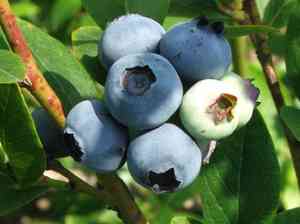
The ideal period for relocating black huckleberry is in the vibrant resurgence of early to mid-spring, allowing roots to establish prior to the summer warmth. Select a shaded spot with an acidic growing medium. Meticulously preserve the root system's structure during the transfer for effective integration.
What Preparations are Needed Before Transplanting Black Huckleberry?
What is the Ideal Time for Transplanting Black Huckleberry?
The best time for relocating black huckleberry is in early to mid-spring. This timing ensures the ground is unfrozen and ready, offering black huckleberry a supportive environment to establish roots before summer heat. By moving it during this crucial growth phase, you provide black huckleberry with the benefit of cooler, damp conditions, encouraging strong development and a productive season ahead. As black huckleberry settles into its new spot with spring's gentle encouragement, you'll observe a flourishing transformation.
How Much Space Should You Leave Between Black Huckleberry Plants?
To allow your black huckleberry ample room to develop, position them 2-6 feet (0.6-1.8 meters) apart. This spacing will ensure branches receive sufficient sunlight and minimize the risk of disease transmission.
What is the Best Soil Mix for Black Huckleberry Transplanting?
Your black huckleberry will thrive in well-drained, acidic soil. To enrich the soil, you can incorporate organic matter such as compost. Additionally, a slow-release fertilizer would be ideal for initial soil preparation.
Where Should You Relocate Your Black Huckleberry?
Select a site for your black huckleberry where it can receive abundant sunlight; a spot with full to partial sun would be perfect. Remember, more sunlight leads to more fruit!
What Equipments Should You Prepare Before Transplantation Black Huckleberry?
Gardening Gloves
To safeguard your hands while handling the plant and working with the earth.
Shovel or Spade
For digging around and beneath the root ball of the black huckleberry plant, and for excavating the new planting hole.
Pruners
To trim roots or remove damaged and diseased sections of the plant prior to transplanting.
Watering Can or Hose
To hydrate the plant during and after the transplanting process.
A Wheelbarrow or Tarp
To move the black huckleberry plant from its original spot to the new location.
Gardening Fork
To loosen and aerate the soil at the new planting site.
How Do You Remove Black Huckleberry from the Soil?
How Do You Remove Black Huckleberry from the Soil?
From Ground: Begin by watering the black huckleberry moderately to moisten the soil, which will facilitate digging and reduce plant stress. Then, use a shovel or spade to dig a wide circle around the plant, ensuring the entire root ball remains intact within that circle. Carefully lift the plant from the ground using the shovel beneath the root ball, avoiding pulling it by the stems.From a Pot: Water the plant, then turn the pot sideways, holding the black huckleberry plant gently at its base. Slide the pot off while keeping the plant and its root ball intact. If the plant resists, tap the bottom of the pot to loosen it, or carefully cut the pot away if it's disposable.From Seedling Tray: Fill a small hole at the desired location with water. Using a gardening spoon or your fingers, scoop the black huckleberry plant from its cell, keeping the soil and roots intact. Handle the seedling by its leaves to prevent damage to the delicate stem.
Step-by-Step Guide for Transplanting Black Huckleberry
Preparation
Using the gardening fork, loosen the soil at the new site before placing the black huckleberry plant. The loosened soil will make it easier for the roots to establish in the new environment.
Placing
Position the black huckleberry plant in the hole, ensuring it is planted at the same depth as it was in its original location. Make sure the top of the root ball aligns with the level of the surrounding soil to prevent waterlogging.
Backfilling
Refill the hole with soil, gently firming it around the base of the plant. Ensure no air pockets remain, as they can dry out the roots.
Watering
Water the black huckleberry thoroughly immediately after planting. The water will help the soil settle around the roots.
How Do You Care For Black Huckleberry After Transplanting?
Post-transplant Shock
Observe the black huckleberry plant for indications of transplant shock, such as wilting, yellowing, and dropped leaves. If these signs appear, ensure the plant is adequately watered and shielded from harsh weather conditions.
Pruning
After transplant, pruning should be minimal as the plant requires its leaves to generate the energy needed for establishment in a new location. Only remove dead or severely damaged parts.
Staking
If the black huckleberry plant is tall, it may need staking for support until its roots become established. Insert a stake into the ground next to the plant and loosely tie the main stem to it.
Fertilizing
Post-transplant, refrain from fertilizing the black huckleberry plant for a few weeks to avoid 'burning' the roots. Once the plant begins to establish, use a slow-release, balanced fertilizer to encourage growth.
Weed Control
Keep the area free of weeds, which can compete with the black huckleberry plant for nutrients and water. Mulching the area around the plant can help manage weeds.
Insect and Disease Control
Regularly inspect the plant for signs of insect or disease infestation. If detected, treat promptly with appropriate organic or chemical control measures.
Troubleshooting Common Issues with Black Huckleberry Transplantation.
What is the best time of the year to transplant black huckleberry?
The optimal period to transplant black huckleberry is during the S1-S2 timeframe, which offers ideal conditions for growth.
How much space should I leave between each black huckleberry when transplanting?
Allow ample spacing, ideally 2-6 feet (0.6-1.8 meters) between each black huckleberry. This will enable the plants to grow optimally.
How can I ensure my transplanted black huckleberry thrive in their new environment?
Water them consistently and ensure they receive adequate sunlight. Also, assess the soil's pH and adjust it if necessary for optimal growth.
What should I do if the leaves of my transplanted black huckleberry turn yellow?
Yellowing leaves indicate a potential overwatering issue. Reduce watering frequency, ensure the soil isn't waterlogged, and has good drainage.
How deep should I plant black huckleberry during transplanting?
Planting depth depends on the size of the transplant, but generally, the top of the root system should be level with the ground.
Can I transplant black huckleberry during flowering season?
Transplanting black huckleberry during flowering season is not recommended. The plant may experience transplant shock and lose its flowers. S1-S2 remains the perfect transplant period.
Why are my transplanted black huckleberry not growing?
This could be due to incorrect planting, poor soil conditions, insufficient sunlight, or watering problems. Review these aspects and make adjustments as needed.
What is the appropriate watering method for transplanted black huckleberry?
Avoid excessive watering! Provide enough water to keep the soil moist, especially during the initial weeks after transplanting.
Why are the leaves of my newly transplanted black huckleberry drooping?
Drooping may signal transplant shock. Keep the soil adequately moist, avoid direct harsh sunlight, and allow the plant time to adapt.
What can I do if pests attack my newly transplanted black huckleberry?
If pests infest your black huckleberry, use organic or chemical pest control methods suitable for this plant. Regular inspection can prevent severe infestations.



