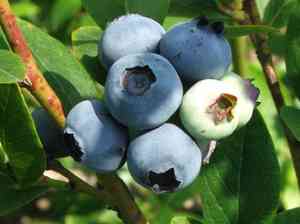
Black huckleberry (Gaylussacia baccata)
Also known as: Black Huckleberry, Common Huckleberry
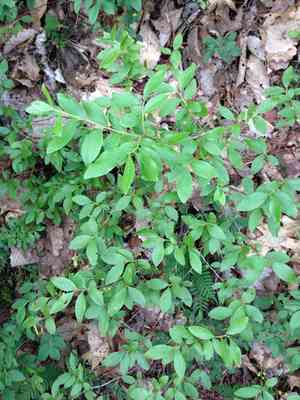
The Black Huckleberry (Gaylussacia baccata) is a shrub indigenous to the eastern parts of the United States and North America. Similar in appearance to blueberry plants, it often grows alongside them in their natural habitats. This plant is attractive to butterflies and provides a habitat for their larvae.
In This Article
Attributes of Black huckleberry
Lifespan
Perennial
Plant Type
Shrub
Plant Height
30 cm to 91 cm
Spread
60 cm to 1.2 m
Leaf Color
Green Yellow Red Gold Orange
Flower Size
2.5 cm
Flower Color
Pink Red White Burgundy
Images of Black huckleberry
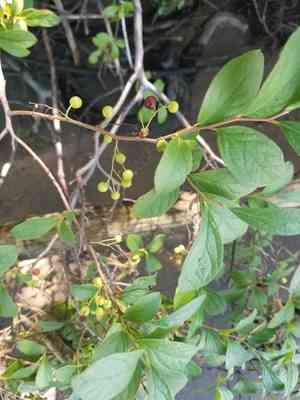
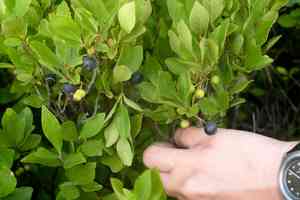
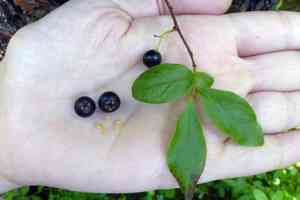
Quickly Identify Black huckleberry
1
Urn-shaped red to pink flowers in spring
2
Small blue-black berries favored by wildlife
3
Smooth leaves with resinous yellow dots
4
Variety in stem texture and color
5
Modest trunk with smooth, gray bark
Scientific Classification of Black huckleberry
Phylum
Vascular plants
Class
Dicotyledons
Order
Ericales
Family
Heath
Genus
Huckleberry
Species
Black huckleberry
Planting and Growing of Black huckleberry
Care Difficulty
Easy
Watering Schedule
Every 2 days
Sunlight Requirements
Partial sun
Sunshine Duration
6-12 hours
Ideal Temperature
65-75℉
Soil Type
Potting Mix, Peat Mix
Soil pH
4-5.5
Fertilizer Type
Balanced
Pruning Season
Spring, Summer
Pruning Area
Branches, Leaves
Pruning Frequency
2 times a year
Repotting Season
Spring
Pot Type
Plastic, Ceramic
 How to Water Black huckleberry?
Gaylussacia baccata, also known as the black huckleberry, appreciates a generous amount of water during its growing season. Aim to thoroughly wet the root zone without causing waterlogging, which can lead to root rot. A general rule is to ensure the soil is moist but not soggy, and you can achieve this by keeping the soil evenly moist with around 500ml of water each time. Adjust according to the plant's growth stage and environmental conditions.
What are the symptoms of an underwatered Black huckleberry?
›
What should I do if my Black huckleberry is not getting enough water?
›
What are the symptoms of an overwatered Black huckleberry?
›
How to save an overwatered Black huckleberry?
›
 What Are the Sunlight Requirements for Black huckleberry?
Partial sun involvement ensures the leaves stay healthy, fuel photosynthesis efficiently, and produce vibrant berries, enhancing the plant's role in its ecosystem.
More About Sunlight Requirements Techniques→
How to Achieve Ideal Lighting
›
Specific Actions for Ideal Light
›
Benefits of Ideal Lighting
›
 What Is the Ideal Temperature Range for Black huckleberry?
Gaylussacia baccata thrives best when the ambient temperature ranges from 65°F to 75°F. This range simulates the natural woodland habitats where this plant is commonly found, providing optimal metabolic processes and promoting healthy growth. Keeping the temperature within this range ensures that the plant does not undergo unnecessary stress.
 What Soil is Best for Black huckleberry?
Gaylussacia baccata thrives in well-drained soil, allowing excess water to escape easily. This is crucial to prevent root rot and other water-related diseases, ensuring healthy growth and vibrant berries. While well-drained, the soil should retain enough moisture to support the plant, maintaining hydration without becoming waterlogged. This balance helps in sustaining the plant during dry spells. Enriching the soil with organic matter like compost enhances soil structure and provides essential nutrients. This organic boost supports the plant's nutritional needs, promoting robust foliage and fruiting.
 How to Fertilize Black huckleberry?
For Gaylussacia baccata, it's crucial to use a balanced fertilizer. A general guideline is to apply about 1/4 cup of a 10-10-10 NPK fertilizer per plant. This amount ensures the plant receives adequate nutrients without risk of overfeeding.
 How to Prune Black huckleberry?
Start by assessing the shape and size of your Gaylussacia baccata. Decide on the desired shape and identify branches that disrupt this form. Prune branches that are crossing or rubbing to ensure good air circulation. Begin by removing any dead, diseased, or damaged wood. Cut these branches back to the point of healthy growth. This removes sources of infection and allows the plant to focus energy on healthy parts. Thin out the dense areas of the plant to improve air circulation within the center. This helps reduce the risk of fungal diseases. Cut branches back to their junctions with larger stems, ensuring a more open structure. To shape the plant, cut back overgrown stems to a preferred height or just above a leaf node. This helps create a neat and aesthetically pleasing form, encouraging new growth in the spring.
More About Pruning Techniques→
 How to Propagate Black huckleberry plant?
1
Gather mature seeds from the berries in early autumn when they are fully ripe. Clean the seeds by removing the pulp, and allow them to dry before planting.
2
Select healthy stems for cuttings in late spring or early summer. Cut the stem 4-6 inches long with at least three nodes. Remove lower leaves to prevent rot.
3
In early spring, dig up mature plants and gently separate the root clumps, ensuring each division has at least two buds or visible shoots before replanting.
 How to Repot Black huckleberry plant?
1
Look for telltale signs that your Gaylussacia baccata needs repotting, such as roots growing out of drainage holes, soil drying out too quickly, or when the plant seems stunted. Ideally, repot when it’s not fruiting for best results.
2
Select a pot that is about 2 inches wider in diameter than the current one. It should have sufficient drainage holes to prevent water stagnation. A bigger pot provides space for root expansion, ensuring healthy growth and fruit production.
3
This plant thrives in acidic, well-draining soil, resembling the forest floor. Choose a potting mix that retains moisture yet drains excess water, with components like peat moss and pine bark to support its nutritional needs.



