How to Propagate Black huckleberry?
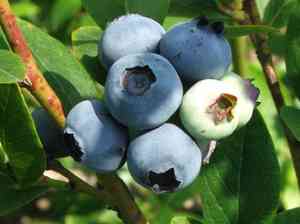
Gaylussacia baccata, primarily multiplied in fall and winter, responds well to cutting and layering techniques. Its propagation presents a moderate challenge, with indicators of success being fresh leaves and root formation. Provide adequate hydration and protection for the best outcomes.
Optimal Time for Black Huckleberry Propagation
Propagation Method
Cutting
Propagation Period
Autumn,Winter
Tools Required for Black Huckleberry Propagation
Pruning Shears
Sharp pruning shears are crucial for taking cuttings from black huckleberry. They ensure a clean, precise cut, minimizing harm to both the parent plant and the cutting. This promotes quicker healing and reduces infection risk. For black huckleberry, choose a pair with a non-stick coating to prevent sap buildup.
Rooting Hormone
Rooting hormones, typically found as powders or gels, are utilized to stimulate root development from black huckleberry cuttings. They contain synthetic auxins, which mimic natural plant hormones. Applying rooting hormone to the cut end of the cutting enhances the likelihood of successful root formation.
Sterile potting mix
A sterile potting mix is essential for black huckleberry growth from cuttings, offering a disease-free medium. Seek a mix that is well-aerated and light to ensure good water retention and drainage, critical for the delicate new roots of black huckleberry.
Propagation Trays
These trays are designed to hold multiple black huckleberry cuttings in a regulated environment. Trays with individual cells are beneficial for preventing root entanglement and simplify transplanting once the black huckleberry cuttings have rooted.
Humidity Dome
To maintain high humidity levels around black huckleberry cuttings, a humidity dome is employed. This prevents cuttings from drying out before they can establish new roots, a common issue with black huckleberry propagation due to its fine foliage.
Heat Mat
Bottom heat from a heat mat can significantly boost root development in black huckleberry cuttings by maintaining a consistent and ideal soil temperature. This encourages faster rooting, which is advantageous for black huckleberry, as it may take longer to root compared to other species.
Misting System or Spray Bottle
To prevent desiccation of black huckleberry cuttings, a misting system or a simple spray bottle can be used to gently mist the cuttings. This maintains the necessary humidity and moisture levels without over-saturating the soil, which could lead to fungal issues.
Caring for Your Newly Propagated Black Huckleberry
Caring for Your Newly Propagated Black Huckleberry
Black huckleberry thrives in well-drained, acidic soil and partial to full sun. After propagation, water new plants regularly to keep the soil moist, but avoid overwatering. Mulching helps retain soil moisture and protects roots. Fertilize annually with an acid-formulating fertilizer, and prune sparingly to encourage bushy growth and berry production.
Common Errors to Avoid When Propagating Black Huckleberry
Insufficient root development
Gardeners might take cuttings that are too young or too old, leading to inadequate root development. This is problematic as it can result in cuttings unable to absorb enough nutrients and water, causing poor plant growth or failure to thrive.
Overwatering
Providing excessive water can cause root rot in black huckleberry cuttings. Overwatering creates an anaerobic environment that promotes harmful fungi and bacteria, ultimately killing the young plants.
Ignoring soil acidity
Black huckleberry prefers acidic soil; failing to ensure soil acidity can impede growth. This error can lead to nutrient deficiencies and hinder the plant's overall health, as it may struggle to absorb necessary minerals from the soil.
Neglecting humidity
Cuttings of black huckleberry require a humid environment to prevent drying out. Neglecting this can lead to desiccation and death of cuttings before they have a chance to root.
Excessive sunlight
While black huckleberry thrives in partial sun, too much direct sunlight can scorch cuttings. Excessive sunlight can damage delicate foliage and increase moisture loss, hindering the plant's ability to establish.
Planting too deeply
Inserting cuttings too deeply into the soil can cause the buried portion of the cutting to rot. This mistake deprives the cutting of necessary oxygen and can lead to fungal infections or decay before rooting occurs.
Advice for Propagating Black Huckleberry
Utilize semi-hardwood cuttings
Cuttings taken from semi-hardwood growth have a higher chance of rooting. They possess the ideal balance of maturity and flexibility, which is optimal for root formation in black huckleberry.
Maintain moisture
Keep the soil consistently moist but not waterlogged to encourage rooting. Ensuring the correct moisture level helps cuttings establish without risking root rot.
Acidic soil mix
Propagate black huckleberry in a soil mix with a pH that mimics its natural acidic environment. This creates conditions conducive to the plant's growth and nutrient uptake.
Controlled humidity
Use a humidity dome or a plastic bag to create a humid microclimate around the cuttings. A controlled humidity level prevents desiccation and promotes rooting.
Filtered light
Provide bright, indirect light to black huckleberry cuttings to avoid leaf burn while offering sufficient energy for growth. Filtered light supports photosynthesis without overwhelming the plant.
Proper depth
Plant cuttings at the appropriate depth, just deep enough to support the cutting upright. Correct planting depth ensures the cutting has adequate access to oxygen and prevents rot.



