How to Prune Black huckleberry?
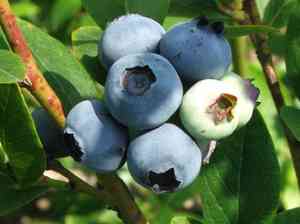
The black huckleberry, a indigenous shrub recognized for its palatable fruit and campanulate blossoms, thrives with judicious trimming to foster vigor and fruit yield. Eliminate deceased or ailing branches, reduce dense growth, and excise aged stalks to revitalize development. The ideal period for this is late spring to early summer, following the blooming phase, to avoid impacting berry output. Trimming additionally improves air movement, thereby lowering the likelihood of disease. Always employ keen, sanitized implements for precise incisions.
What Are the Benefits of Pruning Black Huckleberry?
What Are the Benefits of Pruning Black Huckleberry?
Trimming black huckleberry encourages flower development, boosts fruit yield, and can decrease pest and disease issues by eliminating compromised or overgrown sections.
What Is the Best Time for Pruning Black Huckleberry?
What Is the Best Time for Pruning Black Huckleberry?
In late spring, black huckleberry will have finished its initial growth phase, allowing cultivators to observe its established form and structure, and identify any damaged or unhealthy branches for removal. Pruning at this time also reduces the likelihood of frost damage to fresh cuts and promotes vigorous new growth as temperatures rise. Early summer pruning is appropriate as it occurs after black huckleberry's typical fruiting period. This ensures the plant's energy is directed towards new growth and maintaining its health post-harvest. Pruning then can also assist in shaping the plant, improving air circulation, and lessening the incidence of disease and pests. During these seasons, pruning will not hinder the flowering and fruiting cycles, which is vital for preserving the subsequent season's crop.
What Tools Do I Need to Prune Black Huckleberry?
Hand Pruners
Perfect for cutting small stems under 1/2 inch in diameter, hand pruners deliver clean cuts and minimal harm to the black huckleberry plant. They are precise and can be used for shaping the shrub or removing dead and diseased stems.
Loppers
Suitable for larger black huckleberry stems, up to 1 1/2 inches in diameter. Their long handles provide leverage and reach into the plant's interior, allowing gardeners to make cuts without disturbing surrounding growth.
Pruning Saws
For mature black huckleberry plants with thicker branches that loppers cannot manage, a pruning saw is the ideal tool. It can smoothly cut through branches up to 5 inches thick.
Gardening Gloves
Protective gloves guard against thorns and rough surfaces when pruning black huckleberry. This keeps the gardener comfortable and safe from potential scrapes.
Disinfectant
To prevent disease transmission between plants, a disinfectant should be used to clean tools before and after pruning black huckleberry. This step is crucial for maintaining plant health.
How to Prune Black Huckleberry
Step1: Timing for Pruning
Determine the optimal time to prune black huckleberry, which is late winter or very early spring before new growth begins. Pruning then minimizes the risk to the plant's upcoming production and offers clearer visibility of branches due to the absence of leaves.
Step2: Spotting Dead Branches
Carefully inspect black huckleberry to locate dead branches. These are typically brittle, lack buds, and appear dull or gray, unlike living branches which have a healthier color and visible buds.
Step3: Sterilizing Tools
Sanitize your pruning tools with alcohol or a 10% bleach solution to prevent disease spread. Ensure this is done before cutting different plants and after removing any diseased branches.
Step4: Cutting Dead Branches
Begin pruning by removing dead branches. Use sharp, clean bypass pruners or loppers for branches under 0.75 inches in diameter. Make each cut at a slight angle, about 1/4 inch above a healthy bud or branch union, being careful not to harm the collar (the swollen area where the branch meets the trunk or another branch).
Step5: Recognizing Diseased Limbs
Identify diseased branches on black huckleberry. Disease signs include unusual discoloration, cankers, or growths. Removing these branches is important to prevent disease spread to healthy plant parts.
Step6: Removing Diseased Branches
Prune diseased branches by making clean cuts well below affected areas, at least several inches into healthy wood. If the entire branch is unsalvageable, remove it completely following the method described in step 4.
Step7: Disposal of Removed Branches
Properly dispose of dead and diseased branches. Do not compost them as diseases can spread to other garden areas. Burn them if permitted in your region, or bag and discard with household waste.
Step8: Shaping the Plant
After removing all dead and diseased branches, step back and assess black huckleberry for its overall shape. The aim is to maintain a naturally rounded or vase-like form. Avoid excessive pruning as this can reduce fruit production and vigor.
Step9: Tool Maintenance Post-Pruning
Clean your tools after finishing. Sterilize them again and oil the blades to prevent rust. Proper tool maintenance ensures clean cuts and extends the life of your pruning equipment.
Step10: Observing Post-Pruning Growth
Monitor black huckleberry after pruning for signs of healthy new growth. Good care and regular inspection are crucial for managing the plant's overall health and productivity.
Post-Pruning Care for Black Huckleberry
Post-Pruning Care for Black Huckleberry
After trimming black huckleberry, ensure adequate hydration to lessen stress and aid recovery. Provide indirect sunlight and maintain humidity levels consistent with black huckleberry's natural environment. Adjust temperature to mimic seasonal norms. Post-pruning, apply a balanced, slow-release fertilizer to encourage growth. Observe black huckleberry for wilting, discoloration, or pest presence, indicating stress or disease. Should symptoms appear, isolate the plant and adjust care or consult an expert. Regular observations will guide further care adjustments.
Common Pruning Mistakes with Black Huckleberry
Over-pruning plant in a single session
Removing too much of the black huckleberry at once, which can stress the plant and lead to poor growth or fruit production.
Using dull or dirty pruning tools
Employing dull or uncleaned pruning tools, which can create jagged cuts susceptible to disease and potentially harm the black huckleberry.
Pruning without a specific goal
Trimming without a clear objective, resulting in an unattractive shape or the removal of wood that could bear fruit.
Not removing dead or diseased branches
Failing to remove dead or diseased wood, which can impede the black huckleberry's overall health and vitality.
Forcing unnatural shape on plant's growth
Disregarding the plant's natural growth habit by attempting to impose an unsuitable shape or size for the black huckleberry.
Common Pruning Tips for Black Huckleberry
Make clean cuts with sharp, sterile tools
Utilize sharp, clean pruning tools to make precise cuts that will heal quickly and minimize stress to the black huckleberry.
Cut at a 45-degree angle above outward-facing bud
When trimming, cut at a 45-degree angle just above a bud facing away from the plant's center to promote outward growth.
Thin interior for better air flow and light
Focus on thinning the inner parts of the black huckleberry to improve air circulation and light penetration, which fosters healthy growth and reduces disease risk.
Promptly remove dead or diseased wood
Remove any dead, diseased, or damaged wood as soon as it is noticed to maintain the black huckleberry's health.
Respect plant's natural growth pattern
Preserve the natural form of the black huckleberry by pruning selectively, rather than shearing the plant into an artificial shape.
Gradually rejuvenate old plants over seasons
When aiming to revitalize older black huckleberry plants, do so by incremental pruning over several seasons instead of all at once.



