How to Transplant Bearbrush?
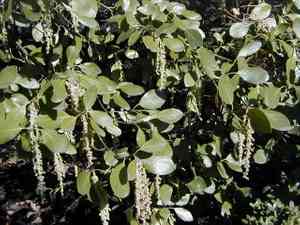
Bearbrush flourishes when relocated from the beginning of summer through its end, benefiting from ideal growing circumstances. To achieve superior outcomes, select a bright, adequately drained spot. Provide consistent irrigation to facilitate its settling.
Necessary Preparations Before Moving Bearbrush
Optimal Period for Relocating Bearbrush?
The best time to move bearbrush is from the beginning to the end of summer, when temperatures are favorable for root development and growth. Relocating during this period maximizes the plant's chances of survival and flourishing, benefiting from warm soil, ample sunlight, and ideal weather conditions crucial for recovery and growth.
Required Spacing Between Bearbrush Specimens?
When transplanting bearbrush, ensure each plant is spaced 8-12 feet (2.4-3.7 meters) apart. This spacing promotes healthy growth for bearbrush and provides sufficient room for roots and branches to expand without overcrowding.
Ideal Soil Blend for Bearbrush Relocation?
Prepare the soil for bearbrush by ensuring it drains well and is slightly acidic to neutral (pH 6.0-7.0). Incorporate a base fertilizer rich in organic matter, such as compost or aged manure, to provide your plant with a nutritional boost.
Recommended New Location for Your Bearbrush?
Choose a spot for bearbrush that receives full sun to partial shade. Aim for 6-8 hours of sunlight daily. This will aid bearbrush in establishing robust growth and vibrant foliage.
Equipment to Prepare Before Bearbrush Transplantation
Gardening Gloves
To safeguard your hands while handling soil and the plant.
Shovel or Spade
For excavating and lifting the plant from its original spot and preparing the new planting site.
Trowel
For more precise digging and soil manipulation, particularly useful when dealing with young plants.
Pruning Shears
To trim any damaged or excess roots or branches during the relocation process.
Watering Can or Hose
For hydrating the plant before and after its transfer.
Burlap or Plastic Sheet
To wrap the root ball and maintain its integrity during transport.
Method for Extracting Bearbrush from the Ground
Method for Extracting Bearbrush from the Ground
From Ground: First, moisten the bearbrush plant to dampen the soil. Then, dig a wide trench around the plant using a shovel or spade, ensuring the plant's root ball remains intact. Carefully work the spade beneath the root ball to lift the plant from its original position.From Pot: Water the bearbrush plant thoroughly to facilitate its removal from the container. Gently tilt the pot on its side and tap the bottom until the plant slides out. If the plant is root-bound, carefully loosen the roots with your fingers.From Seedling Tray: Adequately water the bearbrush seedlings to simplify removal. Use a trowel or your fingers to gently lift each seedling out, ensuring as much of the root system remains intact as possible.
Step-by-Step Guide for Relocating Bearbrush
Plant Extraction
Follow the appropriate removal procedure based on the plant's current location (ground, pot, or seedling tray).
Prepare the Planting Site
Dig a hole in the new spot that is twice as wide and the same depth as the bearbrush's root ball.
Inspect the Roots
Examine the roots once removed. Trim any damaged roots with pruning shears and gently untangle any matted roots.
Position the Plant
Place the bearbrush in the center of the hole. Ensure the top of the root ball is level with the surrounding soil surface.
Backfill Soil
Fill the hole with soil, gently firming it around the root ball to eliminate air pockets.
Water Thoroughly
Water the plant extensively to help settle the soil and establish good root contact.
Post-Transplantation Care for Bearbrush
Watering
Keep the soil around the bearbrush consistently moist, but not waterlogged, for the initial weeks after transplanting to aid in strong root establishment.
Mulching
Apply a layer of mulch around the plant's base to retain moisture and regulate soil temperature.
Monitoring
Regularly inspect the bearbrush for any indications of stress or transplant shock, such as wilting or yellowing leaves, and adjust care as necessary.
Resolving Common Issues with Bearbrush Relocation.
When is the best time to move bearbrush?
Relocate bearbrush from early to late summer for optimal growth and establishment.
What is the recommended spacing between bearbrush plants?
Ensure 8-12 feet (2.4-3.7 meters) of space between bearbrush plants for healthy development.
What soil type is ideal for bearbrush?
Bearbrush prefers well-draining soil; improve heavy clay soils with compost or sand.
How deep should the planting hole be for bearbrush?
Dig a hole as deep as the root ball and twice as wide for bearbrush.
How should I prepare bearbrush before moving it?
Water bearbrush thoroughly the day before transplanting to minimize shock.
How can I reduce transplant shock for bearbrush?
Transplant on a cloudy day or in the early evening. Provide ample water after moving bearbrush.
What watering schedule should be followed after relocating bearbrush?
Water bearbrush deeply immediately after transplanting, then weekly during the first growing season.
Should I fertilize bearbrush after transplanting?
Wait a few weeks post-transplanting before applying a balanced fertilizer to bearbrush.
How can I support bearbrush during windy conditions?
Stake young bearbrush plants if located in windy areas until roots are well-established.
What are signs of stress in relocated bearbrush?
Wilting, yellowing leaves, and slow growth indicate stress in recently transplanted bearbrush.



