How to Prune Bearbrush?
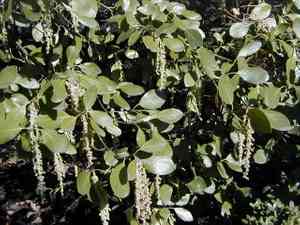
Bearbrush, recognized for its lustrous foliage and grape-like flower groupings, flourishes with appropriate trimming. Trimming ought to be carried out in early spring to eliminate deceased or ailing branches, and to sculpt the plant. This fosters robust development and plentiful blossoms. Refrain from severing into mature wood, as it can diminish flowering. Consistent trimming also aids in averting excessive density, enhancing air movement and lowering the likelihood of ailments. Consult reliable horticultural manuals for precise methods suited to your regional weather and ground composition.
What Are the Benefits of Pruning Bearbrush?
What Are the Benefits of Pruning Bearbrush?
Trimming bearbrush encourages robust development, maintains an appealing form, prevents uncontrolled spread, and improves air circulation to deter pests and diseases. It also fosters denser, healthier foliage, which is crucial for the plant's overall vitality and appearance.
What Is the Best Time for Pruning Bearbrush?
What Is the Best Time for Pruning Bearbrush?
Early spring is an optimal period for bearbrush pruning as it coincides with the conclusion of its dormant phase. This timing allows the plant to recover quickly as its active growth cycle commences. Pruning in early spring minimizes the likelihood of disease and pest infestations, since the plant's natural defenses are not yet weakened by active growth. Furthermore, trimming at this time aids in shaping the plant and stimulates healthy new growth without disrupting its flowering or fruiting cycles.
What Tools Do I Need to Prune Bearbrush?
Hand Pruners
Perfect for smaller branches and precise cuts, helping to preserve the natural form of bearbrush.
Loppers
Useful for severing thicker branches that hand pruners cannot manage, ensuring the plant's general well-being by removing larger growths.
Pruning Saws
Required for very thick branches that exceed the capacity of loppers, providing clean cuts to prevent harm.
Bypass Pruners
Crucial for making clean, accurate cuts on live branches, reducing disease risk and promoting faster healing.
Gloves
Shield hands from thorns, sap, and blisters during bearbrush pruning.
How to Prune Bearbrush
Inspection
Start by thoroughly examining bearbrush for any indications of diseased leaves, withered leaves, dead branches, or diseased branches.
Tools Sterilization
Sanitize your pruning tools with a solution of one part bleach to nine parts water to stop the spread of disease.
Remove Diseased Leaves
Carefully snip off any diseased leaves using sterilized pruning shears, making straight cuts to minimize damage.
Remove Withered Leaves
Clip away any withered leaves to encourage better air circulation and light penetration.
Remove Dead or Diseased Branches
Cut back dead or diseased branches to healthy tissue, ensuring the cuts are clean and at a slight angle to prevent water accumulation and potential rot.
Common Pruning Mistakes with Bearbrush
Improper timing
Pruning bearbrush at an unsuitable time can disrupt its natural growth cycle and impact flowering. Avoid pruning during its active growth period.
Over-pruning
Removing too much foliage or wood at once can significantly stress the plant. This error can impede growth and reduce flowering.
Incorrect tools
Using dull or unsuitable tools can result in jagged cuts that may not heal properly, increasing the risk of disease.
Poor cut placement
Making cuts too close to the main stem or too far from a bud/node can lead to dieback or encourage the growth of water sprouts.
Common Pruning Tips for Bearbrush
Clean and sharp tools
Always use clean, sharp pruning shears to make clean cuts. This helps the plant heal faster and reduces the chance of disease.
Moderation is key
Remove no more than one-third of the plant's total foliage at a time to minimize stress and encourage healthy regrowth.
Identify and remove deadwood
Regularly inspect bearbrush for dead, diseased, or damaged wood and remove it promptly. This improves air circulation and overall plant health.
Targeted thinning
Thinning out congested areas selectively allows light and air to penetrate, promoting healthier growth and reducing the risk of fungal diseases.
Cut at an angle
Make cuts at a 45-degree angle, just above a bud that is facing outward. This encourages the plant to grow in a desirable shape and improves drainage away from the cut.



