Bearbrush (Garrya fremontii)
Also known as: Fremont's Silk Tassel
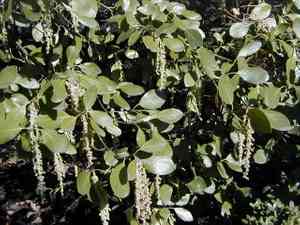
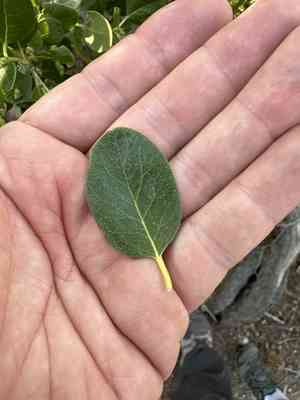
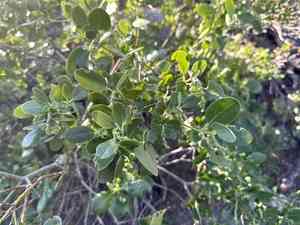
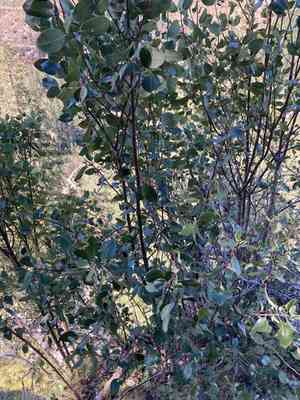
Coast silk-tassel is a resilient evergreen shrub native to the western United States, commonly seen in woodland and chaparral environments. This plant features leathery, oval leaves with a dark green, waxy surface and a softer, lighter underside. From winter to early spring, it produces drooping clusters of yellow-green flowers, which give it a unique, tassel-like look. These flowers are not only visually striking but also attract local pollinators, contributing to the plant's survival and reproduction.
In This Article
Attributes of Bearbrush
Lifespan
Perennial
Plant Type
Shrub
Plant Height
150-300 cm
Spread
100-250 cm
Leaf Color
Dark green
Flower Size
Male catkins up to 20 cm, female catkins shorter
Flower Color
Greenish to reddish when new, silvery gray when mature
Images of Bearbrush
Quickly Identify Bearbrush
1
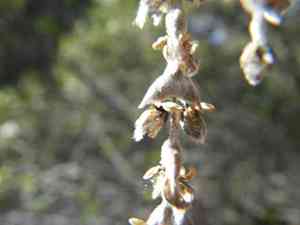
Garrya fremontii can be identified by its leathery, evergreen leaves which have a wavy edge and are dark green on top and paler underneath. The plant produces long, silky catkin-like flower clusters that can be up to 20 cm in length. The male and female flowers are usually found on separate plants.
Scientific Classification of Bearbrush
Phylum
Vascular plants
Class
Dicotyledons
Order
Garryales
Family
Silk tassel
Genus
Silk tassel
Species
Bearbrush
Planting and Growing of Bearbrush
Care Difficulty
Moderate
Watering Schedule
Every 2 days
Sunlight Requirements
Full sun
Sunshine Duration
6-10 hours
Ideal Temperature
50-75℉
Soil Type
Potting Mix, Peat Mix
Soil pH
6.5-7.5
Fertilizer Type
Balanced
Pruning Season
Spring, Summer
Pruning Area
Branches, Leaves
Pruning Frequency
2 times a year
Repotting Season
Spring
Pot Type
Plastic, Ceramic
 How to Water Bearbrush?
Garrya fremontii requires about 500ml of water per session, ensuring the soil is moist but not soggy. A deep irrigation technique is recommended to encourage the roots to grow downwards, fostering a healthier plant. Always ensure the top few centimeters of soil have dried out before the next watering.
What are the symptoms of an underwatered Bearbrush?
›
What should I do if my Bearbrush is not getting enough water?
›
What are the symptoms of an overwatered Bearbrush?
›
How to save an overwatered Bearbrush?
›
 What Are the Sunlight Requirements for Bearbrush?
Semi-intense light, like half-day's worth, ensures that Garrya fremontii can carry out optimal photosynthesis, resulting in well-rounded growth and maintaining its resilience against pests and diseases.
Optimal Growing Environment
›
Solution for Ideal Lighting
›
Benefits of Ideal Lighting
›
 What Is the Ideal Temperature Range for Bearbrush?
The ideal temperature range for Garrya fremontii lies between 50°F and 75°F. Maintaining temperatures within this range allows the plant to grow healthily, promoting good leaf and flower development. Temperatures in this range mimic its natural environment, ensuring optimal photosynthesis and minimal stress.
 What Soil is Best for Bearbrush?
Garrya fremontii thrives in well-drained soil as it helps prevent root rot, a common issue in plants. This type of soil ensures the roots have access to the oxygen they need, which promotes healthy growth and strong root development. A nutrient-rich soil composition provides essential elements like nitrogen, phosphorus, and potassium, necessary for the lush foliage and flowering of Garrya fremontii. This balanced nutrient availability boosts the plant's immune system, aiding in disease resistance. Balancing moisture retention in the soil is crucial for Garrya fremontii. The soil should be able to retain enough moisture to keep the plant hydrated while being loose enough to avoid waterlogging. This ensures sustained growth even during dry spells.
 How to Fertilize Bearbrush?
Garrya fremontii thrives on balanced fertilization, with 1/2 cup of a balanced 10-10-10 fertilizer being adequate during its growing seasons. Over-fertilizing should be avoided to prevent nutrient burn.
 How to Prune Bearbrush?
Prune Garrya fremontii in late winter or early spring before new growth starts. This minimizes the plant's stress and allows cuts to heal quickly with the onset of spring growth. Avoid pruning in autumn, as new growth stimulated during this time could be damaged by winter cold. Garrya fremontii has a naturally appealing, cascading form. When pruning, keep this natural habit in mind, and avoid trying to shape it too rigidly. Instead, aim to enhance its inherent shape to keep the plant looking full and visually appealing.
More About Pruning Techniques→
 How to Propagate Bearbrush plant?
1
Collect seeds from healthy Garrya fremontii plants in the autumn and store them in a cool, dry place. Before sowing in spring, soak seeds in water for 24 hours to break dormancy.
2
Select semi-hardwood cuttings in early summer. Cut 10-15 cm sections using pruning shears, ensuring each has at least one node, and remove the leaves from the lower half.
3
For seeds, sow in pots with well-draining soil in spring. For cuttings, dip in rooting hormone, plant in potting soil, and maintain high humidity by covering with a plastic bag.
 How to Repot Bearbrush plant?
1
Repot Garrya fremontii when you notice roots emerging from the drainage holes or if the plant shows signs of being root-bound, such as stunted growth or yellowing leaves. Additionally, if the soil loses nutrients or becomes too compact over time, spring or autumn are ideal times to refresh the potting medium.
2
Select a pot that is 2-3 inches larger in diameter than the current one to accommodate growth, ensuring it has adequate drainage holes. A terracotta or clay pot is preferable for its breathability, which helps prevent root rot by allowing excess moisture to evaporate. This choice promotes a healthy, thriving plant environment.
3
Choose a well-draining loamy soil rich in organic matter. This type of soil provides essential nutrients and prevents waterlogging, which could potentially damage the roots. A blend of garden soil with perlite or sand ensures aeration while retaining necessary moisture for the plant's needs.



