How to Propagate Bearbrush?
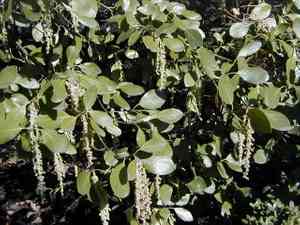
Originating from the western regions of the United States, bearbrush is an evergreen woody plant valued for its appealing leaves and hardiness. For reproduction, it is advisable to collect semi-hardwood sections, making sure each section possesses several nodes. Utilize a rooting stimulant to improve the chances of success and insert the sections into soil that drains effectively. Maintain them in a moist atmosphere until their root systems develop. After rooting, they are ready to be moved to their final growing spot.
When Is the Optimal Period to Propagate Bearbrush?
Propagation Method
Cutting
Propagation Period
Spring,Summer
What Implements Are Utilized in Bearbrush Propagation?
Pruning Shears
Premium pruning shears are vital for obtaining cuttings from bearbrush. Ensure the shears are sharp and clean to make precise cuts without harming the parent plant, minimizing infection risk.
Rooting Hormone
A rooting hormone is advantageous for stimulating root growth in cuttings. Dip the base of bearbrush's cuttings in the hormone before planting to boost rooting success.
Propagation Trays
Propagation trays offer a regulated environment for bearbrush cuttings to flourish. They aid in maintaining ideal humidity and temperature, crucial for root development.
Misting Bottle
A misting bottle is employed to keep bearbrush cuttings hydrated without excessive watering. Regular misting helps sustain humidity, a key factor for cuttings to prevent desiccation.
Heat Mat
Heat mats deliver consistent bottom warmth to encourage root formation in bearbrush cuttings. This tool is particularly beneficial in cooler climates or during winter propagation.
Sterilizing Solution
A sterilizing solution guarantees all tools and containers used in the propagation process are disease-free. This is essential for preventing infection and fostering healthy growth in bearbrush cuttings.
Humidity Dome
Humidity domes are used with propagation trays to maintain a damp, humid environment, which is critical for the successful rooting of bearbrush cuttings. These domes also help reduce water loss through evaporation.
Perlite
Perlite improves aeration and drainage in the propagation medium, assisting bearbrush cuttings in developing strong root systems. It prevents waterlogging while providing necessary moisture.
Sharp Knife or Scalpel
A sharp knife or scalpel is useful for making clean, precise cuts on bearbrush cuttings. This reduces damage to the plant tissues, promoting faster healing and rooting.
Labeling Supplies
Labeling supplies help keep track of different cuttings and their planting dates. Accurate records assist in monitoring growth progress and identifying successful propagation techniques for bearbrush.
How to Propagate Bearbrush?
Propagation Difficulty
Moderately Difficult
How to Care for Your Newly Propagated Bearbrush?
How to Care for Your Newly Propagated Bearbrush?
Post-propagation, keep the soil consistently moist but not saturated. Mist the foliage regularly to maintain humidity. Once roots have formed, typically in a few weeks, gradually acclimate bearbrush to more sunlight. Continue monitoring for pests and diseases and be careful to avoid overwatering. Fertilize sparingly with a balanced, diluted liquid fertilizer to promote healthy growth.
Common Errors to Avoid When Propagating Bearbrush
Improper soil mix
Using soil that is too dense or retains too much moisture can lead to root rot or poor root development, impeding the growth of bearbrush.
Overwatering
Excessive watering creates a waterlogged environment, which bearbrush does not tolerate well, often causing root rot and stunted growth.
Using unsterilized tools
Propagating bearbrush with unsterilized tools can introduce pathogens that lead to diseases, negatively affecting the plant's health.
Insufficient light
Providing too little light can cause weak, leggy growth, as bearbrush requires adequate light for strong, bushy development.
Neglecting temperature control
Failing to maintain appropriate temperatures can shock the plant, disrupting the rooting process and overall health.
Tips For Propagating Bearbrush
Well-draining soil
Use a soil mix that offers good drainage to prevent root rot and support healthy root development for bearbrush.
Moderate watering
Water moderately, ensuring the soil remains moist but not waterlogged to provide an optimal environment for bearbrush's roots.
Sterilized tools
Always use sterilized tools to cut and handle the plant to avoid the introduction of pathogenic diseases in bearbrush.
Adequate light
Ensure bearbrush receives sufficient light, preferably indirect bright light, to promote robust and healthy growth.
Temperature consistency
Maintain consistent temperatures and avoid exposing bearbrush to extreme temperature fluctuations to encourage steady growth and successful rooting.



