How to Transplant Bedstraw?
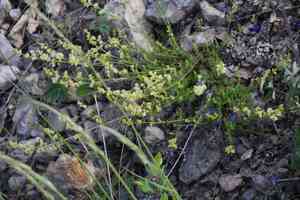
Relocate bedstraw during the revitalizing period spanning early to late spring, or from the close of summer to mid-autumn. Select a site offering partial shade and well-draining earth for peak development. Steer clear of congested spots to avert rivalry.
Essential Preparations Before Moving Bedstraw?
Optimal Period for Relocating Bedstraw?
Bedstraw, a perennial, flourishes most when moved from early to late spring or late summer to mid-autumn. Transplanting during these windows allows the plant to develop roots prior to harsh weather, ensuring vigorous growth and resilience. These prime seasons offer ideal soil conditions and minimize transplant shock, greatly enhancing survival and thriving rates.
Recommended Spacing Between Bedstraw Plants?
When relocating bedstraw, aim for a 12-18 inch (30-45 cm) separation. This spacing ensures ample room for each plant's development and promotes good air circulation, aiding in disease prevention and fostering healthy growth.
Best Soil Blend for Bedstraw Relocation?
For bedstraw, prepare soil that drains well and is rich in organic material. A blend of compost and garden soil works effectively. Before moving, incorporate a base fertilizer, such as a balanced 10-10-10 (N-P-K) formula, at the package's recommended rate.
Where to Replant Your Bedstraw?
Select a site for bedstraw that receives full sun, approximately 6-8 hours daily. This plant thrives in bright locations, which supports robust development and ensures abundant foliage.
Necessary Tools for Bedstraw Transplantation?
Gardening Gloves
To safeguard your hands while handling soil and the plant.
Shovel or Spade
For excavating the plant and preparing the new planting site.
Garden Fork
To loosen the soil around the plant's root ball if required.
Watering Can or Hose
To hydrate the plant before and after its relocation.
Tarp or Large Piece of Cardboard
To move the plant without harming its root ball.
Pruners or Scissors
To trim any damaged roots or foliage.
Mulch
To help maintain moisture around the plant post-transplant.
How to Extract Bedstraw from the Ground?
How to Extract Bedstraw from the Ground?
From Ground: First, moisten the bedstraw plant's soil. Then, dig a wide trench around the plant with a shovel or spade, ensuring the root ball remains intact. Carefully work the spade beneath the root ball to lift the plant from its original spot.From Pot: Gently tap the pot's sides to loosen the soil. Invert the pot while supporting the plant with your hand. Carefully slide the plant out, ensuring the root ball stays whole.From Seedling Tray: Water seedlings thoroughly before removal. Gently loosen the soil around the seedling using a small tool or your fingers. Carefully lift the seedling by its leaves or stem, not the roots, to prevent damage.
Detailed Guide for Moving Bedstraw
Planting Hole Preparation
Excavate a hole in the ground that is twice as wide and as deep as the bedstraw plant's root ball. This provides ample space for root expansion.
Amend the Soil
If needed, blend compost or organic matter with the excavated soil. This will enhance drainage and supply nutrients to the plant.
Remove Plant from Current Location
Carefully extract the bedstraw plant using the aforementioned techniques, ensuring the root ball remains intact and undamaged.
Place Plant in Hole
Position the bedstraw plant centrally in the hole. The top of the root ball should be level with or slightly above the surrounding ground. Adjust the hole's depth if necessary.
Backfill and Firm the Soil
Refill the hole around the root ball with soil, gently pressing it down to eliminate air pockets. Avoid excessive pressure, as this can compact the soil and impede root growth.
Water Thoroughly
Deeply water the bedstraw plant immediately after planting. This helps settle the soil and ensures good root-to-soil contact.
Mulch the Area
Apply a layer of mulch around the base of the bedstraw plant, leaving a small gap around the stem to prevent rot. Mulch aids in moisture retention and weed suppression.
Post-Transplant Care for Bedstraw?
Watering
Maintain consistent moisture in the soil around the bedstraw, avoiding sogginess, for the initial weeks after transplanting to encourage strong root development.
Monitoring
Regularly inspect the bedstraw plant for signs of stress like wilting or yellowing leaves, and adjust care as needed.
Support
If the bedstraw plant appears unstable, provide temporary support such as a stake until it develops a stronger root system.
Pruning
Trim any damaged or dead foliage to redirect the plant's energy towards new growth.
Resolving Common Bedstraw Transplantation Issues.
When is the best time to transplant bedstraw?
The ideal period is early spring to late spring, and late summer to mid-fall.
How much spacing should I leave between plants?
Maintain a 12-18 inch (30-45 cm) distance between each bedstraw plant.
How deep should I dig to transplant bedstraw?
Excavate a hole approximately twice the root ball's size, roughly 8-10 inches (20-25 cm) deep.
Should I water bedstraw immediately after transplanting?
Yes, water generously right after transplanting to help the roots settle in their new location.
Do I need to prune bedstraw before transplanting?
Remove any damaged or dead parts before transplanting to promote healthy growth in the new spot.
What type of soil is best for transplanting bedstraw?
Well-drained, loamy soil with ample organic matter is perfect for relocating bedstraw.
Do I need to mulch around the base of bedstraw?
Yes, a 2-3 inch (5-8 cm) layer of mulch helps retain moisture and stabilize soil temperature.
How to handle root-bound bedstraw during transplanting?
Gently untangle the roots if they are bound; if necessary, make shallow cuts to stimulate growth.
Should I use fertilizer when transplanting bedstraw?
Incorporate a small amount of balanced fertilizer into the soil to provide nutrients for the newly moved bedstraw.
How to protect newly transplanted bedstraw from pests?
Utilize organic insect deterrents and watch for pests like aphids or slugs until the plants are well-established.



