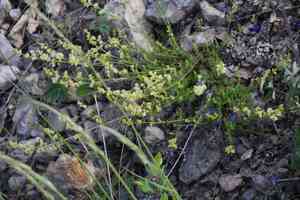
Bedstraw (Galium lucidum)
Also known as: Lucid Bedstraw, Shining Bedstraw
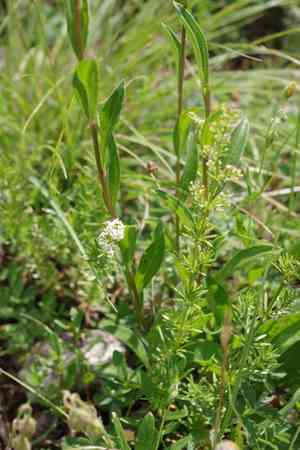
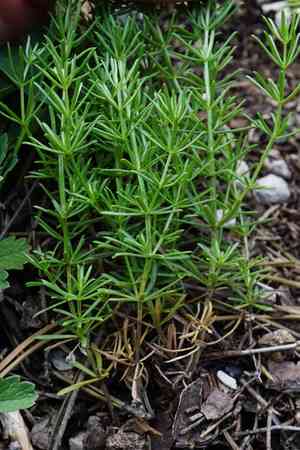
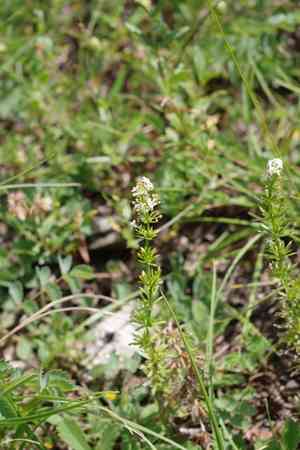
Galium lucidum is an erect, perennial, glabrous plant up to 70 cm tall. Leaves are narrow and linear, up to 3 cm long, whorled with as many as 10 per node. Inflorescence is a large terminal panicle of many small, white to cream-colored flowers.
In This Article
Attributes of Bedstraw
Lifespan
Perennial
Plant Type
Herb
Plant Height
30-100 cm
Spread
N/A
Leaf Color
Glossy green
Flower Size
0.1-0.2 cm
Flower Color
White or yellowish
Images of Bedstraw
Quickly Identify Bedstraw
1
Look for a herbaceous plant with smooth, glossy leaves arranged in whorls around the stem. The flowers are small, white or yellowish, and usually form dense clusters.
Scientific Classification of Bedstraw
Phylum
Vascular plants
Class
Dicotyledons
Order
Gentianales
Family
Madder
Genus
Bedstraws
Species
Bedstraw
Planting and Growing of Bedstraw
Care Difficulty
Easy
Watering Schedule
Every 3 days
Sunlight Requirements
Partial sun
Sunshine Duration
6-12 hours
Ideal Temperature
60-75℉
Soil Type
Potting Mix, Peat Mix
Soil pH
6.5-7.5
Fertilizer Type
Balanced
Pruning Season
Spring, Summer
Pruning Area
Branches, Leaves
Pruning Frequency
2 times a year
Repotting Season
Spring
Pot Type
Plastic, Ceramic
 How to Water Bedstraw?
For Galium lucidum, water with 250 ml each time, ensuring the soil feels evenly moist but not soggy. This allows the root system to access necessary moisture and prevent waterlogging, which can lead to root rot.
What are the symptoms of an underwatered Bedstraw?
›
What should I do if my Bedstraw is not getting enough water?
›
What are the symptoms of an overwatered Bedstraw?
›
How to save an overwatered Bedstraw?
›
 What Are the Sunlight Requirements for Bedstraw?
A light range of partial sun is ideal for Galium lucidum. Ensuring this allows the plant to maintain its vibrant foliage, strong growth, and efficient photosynthesis processes.
Optimal Location
›
Artificial Lighting
›
Seasonal Adjustments
›
 What Is the Ideal Temperature Range for Bedstraw?
The ideal temperature range for cultivating Galium lucidum is between 60°F and 75°F. Within this temperature band, the plant can efficiently carry out photosynthesis and other metabolic processes, resulting in robust growth and vibrant foliage. On maintaining this temperature, the plant is less susceptible to diseases and pests, as its immune response and overall vigor are at an optimum level.
 What Soil is Best for Bedstraw?
Galium lucidum thrives best in well-drained soil, which prevents waterlogging and ensures the roots have access to both nutrients and oxygen. This condition is crucial for optimal growth and prevents rot while encouraging healthy development. This plant prefers soil with moderate fertility. Excessively rich soil can lead to overly lush, weak growth, while moderately fertile soil ensures balanced nutrient availability, promoting sturdy and resilient plants. Incorporating organic matter into the soil enhances its nutrient profile and water retention capabilities. For Galium lucidum, a soil rich in organic content supports faster growth and improved resilience against environmental stressors.
 How to Fertilize Bedstraw?
For Galium lucidum, it's crucial to apply fertilizer sparingly. A general recommendation is to use a balanced liquid fertilizer at half the recommended strength. You should apply about 50ml per plant if using liquid fertilizer.
 How to Prune Bedstraw?
Begin by identifying stems that look leggy or are growing erratically from the main structure of the plant. Trim these stems back to a healthy pair of leaves or slightly above a node to encourage bushier growth. Focus your pruning efforts on removing any dead or diseased stems. Doing this improves airflow through the plant and reduces the risk of fungal or other diseases taking hold. Maintain the plant's natural form by shaping it carefully as you prune. Ensure that you do not alter its general shape significantly to keep it aesthetically pleasing, while ensuring that sunlight can penetrate through the entire plant.
More About Pruning Techniques→
 How to Propagate Bedstraw plant?
1
Clean the seeds before planting to remove any pathogens. Use warm water to soak the seeds overnight to encourage germination. Plant the seeds shallowly in a tray filled with seed-starting mix.
2
Select healthy, disease-free stems from the parent plant. Cut a 10-15 cm section using a sterilized sharp tool. Remove lower leaves and dip the cut end in rooting hormone for best results.
3
Carefully dig around the plant and lift it from the ground. Use a knife or spade to divide the root ball into sections, ensuring each section has roots and shoots, and replant immediately.
 How to Repot Bedstraw plant?
1
Galium lucidum typically needs repotting when it's noticeably root-bound, evident by roots poking from drainage holes or soil drying excessively fast. Ideal time is during active growth phases in spring or summer, allowing the plant to recover swiftly.
2
Select a pot that is just slightly larger, about 1-2 inches bigger in diameter than the current one. This ensures the root system has room to grow without overwhelming the plant with too much soil, preventing overwatering risks.
3
Opt for a well-draining loamy mix, rich in organic matter. This type of soil supplies adequate nutrients while facilitating optimal drainage, crucial for preventing root rot and ensuring healthy plant development.
Learn More About Bedstraw Diseases
Anthracnose
Bacterial Leaf Spot
Bacterial Soft Rot
Bacterial Wilt
Chemical Injury
Damping-off
Downy Mildew
Drought Stress
Fusarium Wilt
Gray Mold
Leaf Curl
Leaf Spot
Mosaic
Nutrient Deficiency
Nutrient Toxicity
Powdery Mildew
Root Rot
Root-knot Nematode
Rusts
Sooty Mold
Spider Mites
Temperature Stress
Thrips Damage
White Mold



