How to Propagate Bedstraw?
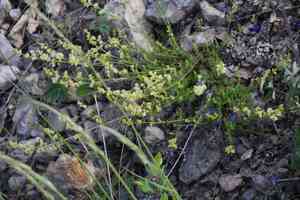
Galium species flourish when reproduced via stem sections. Select robust, non-blooming shoots to maximize propagation success. Sever a segment approximately 4-6 inches in length, making sure multiple nodes are included. Detach the bottom foliage, immerse the severed tip in rooting compound to stimulate root development, and embed in a porous potting blend. Ensure steady hydration and supply diffused illumination until the root system is firmly established.
Optimal Time for Bedstraw Propagation
Propagation Method
Cutting
Propagation Period
Spring,Summer
Tools for Bedstraw Propagation
Sharp Pruning Shears
Crucial for taking precise bedstraw cuttings, sharp pruning shears minimize harm to the parent plant and ensure a clean cut for improved rooting. A clean cut is vital for cuttings to absorb more water and nutrients, boosting rooting success.
Rooting Hormone
Applying rooting hormone to the base of bedstraw cuttings significantly boosts the likelihood of successful root formation. This hormone stimulates root growth at the cut site, which is essential for healthy establishment in a new setting.
Sterile Potting Mix
Utilizing a sterile, well-draining potting mix offers an ideal environment for bedstraw cuttings to root. Sterility prevents pathogens that could harm young roots, while the mix's texture promotes sufficient aeration and moisture retention necessary for root development.
Propagation Tray
A propagation tray provides an organized, controlled setting for rooting bedstraw. These trays enable efficient management of moisture and temperature â two key factors for rooting cuttings. The design also allows for easy monitoring of root development and the overall health of young plants.
How to Propagate Bedstraw?
Propagation Type
Easy
Caring for Newly Propagated Bedstraw
Caring for Newly Propagated Bedstraw
To care for bedstraw after propagation, maintain consistent moisture without overwatering, as soggy soil can cause rot. The location should offer indirect sunlight and protection from strong winds or harsh weather. As plants establish, gradually acclimate them to suitable growing conditions for robust growth.
Common Mistakes to Avoid When Propagating Bedstraw
Overwatering
Excessive watering can lead to root rot in bedstraw, as its roots need a balance of moisture and air. Waterlogged conditions can suffocate roots and hinder growth, leading to poor establishment and potential plant death.
Deep planting
Planting bedstraw cuttings or seeds too deeply can prevent them from getting enough light, which is vital for germination and initial growth. Deep planting may also cause cuttings to rot before they can establish.
Neglecting humidity
Ignoring the need for a humid environment when propagating bedstraw can cause cuttings to dry out before they root. Adequate humidity is crucial for successful root development in new plants.
Tips For Propagating Bedstraw
Use of rooting hormones
Applying a rooting hormone to bedstraw cuttings can significantly enhance root development. This promotes stronger root systems, increasing the chances of successful propagation and robust plant growth.
Providing indirect light
Ensuring bedstraw receives indirect light during propagation supports efficient photosynthesis without the stress of direct sunlight, which can harm tender new growth and inhibit proper development.
Maintaining soil moisture and drainage
Using well-draining soil and maintaining moderate soil moisture can prevent root issues while providing necessary hydration for bedstraw. It ensures the soil is moist but not waterlogged, fostering healthy root growth.



