How to Prune Bedstraw?
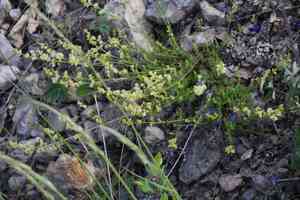
Galium, a spreading perennial, thrives in numerous horticultural settings. Optimal trimming occurs in Spring or early Summer to control its expansion and improve its compact, groundcover-like structure. This timing also permits recuperation prior to its dormant phase. Consistent cutting throughout the active growth period maintains its neatness and can deter excessive spread into unwanted zones. Such pruning additionally fosters more robust, vibrant leaves, thereby enhancing the plant's general aesthetic and vigor.
Advantages of Trimming Bedstraw
Advantages of Trimming Bedstraw
Trimming bedstraw promotes robust development and preserves its form. Eliminating overgrown or lifeless sections ensures healthier growth and a more pleasing appearance.
Optimal Time for Trimming Bedstraw
Optimal Time for Trimming Bedstraw
Trimming bedstraw in Spring is ideal as it stimulates new growth after the dormant winter. This timing allows the plant to recover quickly and produce fresh shoots, leading to a denser, healthier look. Summer trimming of bedstraw is beneficial for managing its shape and controlling unwanted spread in garden areas. This season is particularly good for light cuts to encourage branching. Fall trimming should be minimal; it involves removing any dead or diseased parts of bedstraw to prepare the plant for winter and prevent disease spread. This timing is crucial as it stops the plant from entering dormancy with potentially harmful elements that could impact its spring recovery.
Tools Required for Trimming Bedstraw
Hand Pruners
Perfect for precise cutting of individual stems and thin branches, hand pruners offer the control needed to maintain bedstraw's shape. These are essential for accurate snips that prevent unnecessary plant damage. Opt for bypass pruners for cleaner cuts.
Gardening Shears
Excellent for trimming and shaping the dense foliage of bedstraw. Gardening shears allow for quick, even cuts along hedges or when dealing with thicker stem clusters, helping manage the plant's rapid growth and maintain its aesthetics.
Gloves
Though not a cutting tool, gloves are vital to protect the gardenerâs hands from potential irritation when handling bedstraw, as skin contact can be uncomfortable due to the plant's texture.
How to Trim Bedstraw
Identify and clean
Locate diseased and withered leaves along with any dead or unhealthy branches on bedstraw. Ensure all trimming tools are clean and sterilized to prevent disease transmission.
Trim leaves
Carefully remove the diseased and withered leaves. Make cuts close to the stem of bedstraw to avoid leaving stubs that could attract pests or foster disease.
Remove branches
Remove dead and diseased branches from bedstraw. Use sharp pruning shears and make clean cuts at the branch base, avoiding jagged edges that could harm the plant.
Shape plant
After removing unhealthy parts, lightly shape the remaining branches to promote better air circulation and light penetration throughout bedstraw. Focus on maintaining a natural growth habit.
Dispose
Properly dispose of all removed plant material by burning or binning them. Do not compost diseased parts, as this could spread pathogens present in the unhealthy material.
Common Trimming Errors with Bedstraw
Overpruning
Cutting back too much of bedstraw at once can stress the plant, leading to stunted growth and reduced vigor. It's crucial to trim no more than one-third of the plant during a single session.
Improper Tool Use
Using dull or dirty trimming tools can damage bedstraw stems, causing jagged cuts that heal poorly and may lead to disease infection.
Incorrect Cutting Technique
Making cuts too close to the main stem or too far from the buds of bedstraw can hinder its natural growth pattern and may result in uneven or harmful cuts that could affect the plantâs overall health.
General Trimming Advice for Bedstraw
Sharp Tools
Always use sharp, clean pruning shears to make clean cuts. This helps prevent damage and disease in bedstraw.
Cutting Angle
Cuts should be made at a 45-degree angle approximately 1/4 inch above a bud facing the plant's exterior. This technique encourages outward growth and helps water run off the cut, reducing disease risk.
Selective Pruning
Focus on removing only dead, damaged, or overcrowded stems, which encourages better air circulation and sunlight penetration throughout bedstraw. This is crucial for maintaining the plantâs health and enhancing flowering.



