How to Transplant Lanceleaf wild licorice?
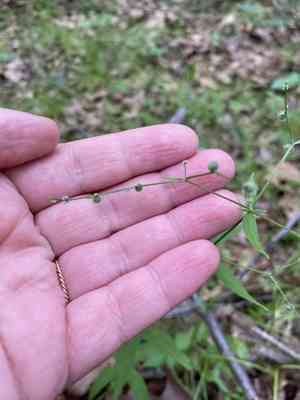
Lanceleaf wild licorice' thrives when relocated during the vibrant renewal of early to late spring or the cool embrace of mid to late autumn. Select a location offering partial shade and soil that drains effectively for peak development. Relocation advice: confirm the soil is adequately hydrated prior to the process.
Preparations Required Before Moving Lanceleaf Wild Licorice?
Optimal Period for Relocating Lanceleaf Wild Licorice?
The ideal time to move lanceleaf wild licorice is from early to late spring or mid to late autumn. These periods provide ample moisture and moderate temperatures, aiding root development and minimizing transplant stress. This approach ensures vigorous growth and a higher survival rate, allowing the plant to adapt before summer's intense heat or winter's freezing conditions.
Recommended Spacing Between Lanceleaf Wild Licorice Plants?
When relocating lanceleaf wild licorice, position plants approximately 6-12 inches (15-30 cm) apart. This spacing allows each plant sufficient room to develop without competing for essential resources.
Preferred Soil Mixture for Lanceleaf Wild Licorice Relocation?
Prepare a well-draining soil, rich in organic material, for lanceleaf wild licorice. Incorporate a balanced base fertilizer, such as a 10-10-10 (N-P-K) blend, to support robust development.
Optimal New Location for Your Lanceleaf Wild Licorice?
Select a new site for lanceleaf wild licorice that receives partial to full sun exposure. This ensures the plants obtain necessary energy while also being shielded during peak sunlight hours.
Equipment Needed Before Relocating Lanceleaf Wild Licorice?
Gardening Gloves
To safeguard your hands while handling soil and plants.
Hand Trowel
Useful for excavating small holes required for relocation.
Shovel or Spade
For digging larger holes and trenches.
Watering Can or Hose
For hydrating the plant before and after relocation.
Pruners
To trim any damaged or dead root structures.
Bucket or Container
To temporarily hold the plant if necessary.
How to Extract Lanceleaf Wild Licorice from the Ground?
How to Extract Lanceleaf Wild Licorice from the Ground?
From Ground: First, hydrate the lanceleaf wild licorice plant to moisten the soil. Next, use a shovel or spade to dig a wide trench around the plant, ensuring the root ball remains intact. Carefully maneuver the spade beneath the root ball to lift the plant from its original spot.From Pot: Gently tilt the pot onto its side and tap the edges to loosen the soil. Carefully slide the lanceleaf wild licorice plant out, holding it by the base. If the plant is root-bound, gently separate the roots before relocation.From Seedling Tray: Moisten the tray to facilitate removal. Use a hand trowel or your fingers to carefully lift the seedlings by their leaves or root ball. Be cautious not to harm the delicate roots during this process.
Detailed Steps for Relocating Lanceleaf Wild Licorice
Site Preparation
Choose an appropriate spot for the lanceleaf wild licorice plant. Clear the area of any weeds or debris and dig a hole that is twice the width and the same depth as the plant's current root ball.
Plant Preparation
Gently untangle matted roots to encourage new growth. Trim any damaged or dead roots using pruners.
Relocation
Place the lanceleaf wild licorice plant into the prepared hole, ensuring it sits at the same depth it was originally growing. Backfill the hole with soil, gently firming it around the plant to remove air pockets.
Watering
Thoroughly water the relocated lanceleaf wild licorice plant to help settle the soil around the roots.
Post-Relocation Care for Lanceleaf Wild Licorice?
Watering
Maintain consistent moisture in the soil around the lanceleaf wild licorice, avoiding sogginess, for the initial weeks after relocation to promote strong root development.
Mulching
Apply a layer of mulch around the plant to help retain soil moisture and inhibit weed growth.
Monitoring
Regularly inspect the plant for indications of relocation shock, such as wilting or yellowing foliage, and provide additional care as needed.
Resolving Common Issues with Lanceleaf Wild Licorice Relocation.
When is the optimal time to relocate lanceleaf wild licorice?
The best period is early to late spring, and mid to late autumn.
How should I space the relocated plants?
Space them 6-12 inches (15-30 cm) apart for ideal growth.
What kind of soil is most suitable?
Utilize well-draining, loamy soil enriched with organic matter for healthy relocated plants.
How much water does lanceleaf wild licorice require after relocation?
Water thoroughly post-relocation, ensuring the soil remains consistently moist but not waterlogged.
How should I handle the roots during relocation?
Handle roots gently to prevent damage. Ensure they stay moist throughout the process.
Should I prune lanceleaf wild licorice when relocating?
Lightly prune to remove damaged or leggy sections, encouraging new growth after relocation.
What if lanceleaf wild licorice wilts after relocation?
Provide shade, reduce stress, and water adequately. Wilting can indicate stress but is often temporary.
How do I prepare the new planting site?
Dig a hole twice the size of the root ball to allow roots ample space to establish.
How to care for lanceleaf wild licorice in the initial weeks post-relocation?
Monitor soil moisture and watch for pests. Consistent care aids successful establishment.
What should I do if lanceleaf wild licorice exhibits slow growth after relocation?
Assess soil quality and ensure proper spacing and watering. Patience is crucial as it adapts.



