How to Prune Lanceleaf wild licorice?
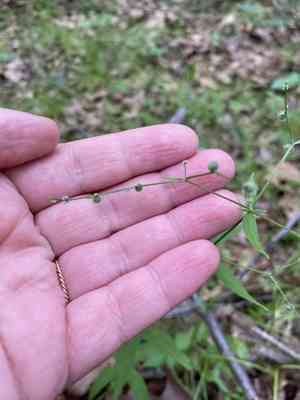
Lanceleaf wild licorice, a perennial herb distinguished by its spiraled foliage and tiny white blossoms, thrives with consistent trimming to sustain its vitality. The most suitable periods for pruning are spring, summer, and autumn, coinciding with its active development phases. Cut back elongated or lifeless stalks to stimulate denser growth and snip off any spent flower clusters after blooming to inhibit seed production. Pruning enhances air movement, thereby lowering the likelihood of disease, and fosters a sturdier plant framework, boosting both its well-being and visual attractiveness.
What Are the Benefits of Pruning Lanceleaf Wild Licorice?
What Are the Benefits of Pruning Lanceleaf Wild Licorice?
Pruning Lanceleaf Wild Licorice encourages robust development and helps maintain an appealing form. Regular trimming aids in managing its size, lowering disease susceptibility, and improving air circulation, all of which contribute to the plant's overall health and strong growth.
What Is the Best Time for Pruning Lanceleaf Wild Licorice?
What Is the Best Time for Pruning Lanceleaf Wild Licorice?
Spring is optimal for pruning lanceleaf wild licorice as it aligns with the start of its growth cycle, fostering healthier and more vigorous new shoots. Pruning at this time allows the plant to recover swiftly and channel energy into fresh branch development. Summer pruning can be advantageous for managing the size and shape of lanceleaf wild licorice, preventing it from becoming leggy or overgrown. It also helps control excessive shade that might impact nearby plants. Fall is another suitable period for pruning, as it can prepare lanceleaf wild licorice for dormancy by removing any dead or damaged parts that could compromise its winter health. Fall pruning also minimizes disease risk, as cooler, drier conditions are less favorable for pathogen growth that might infect pruning wounds.
What Tools Do I Need to Prune Lanceleaf Wild Licorice?
Hand pruners
Perfect for making precise cuts on smaller branches and stems, often essential for preserving the overall shape and health of lanceleaf wild licorice.
Bypass pruners
Useful for cleanly severing live stems, ensuring minimal harm and rapid recovery. These are preferred over anvil pruners to avoid crushing plant tissues.
Pruning shears
Effective for trimming and shaping larger areas of growth, helpful in keeping lanceleaf wild licorice neat and preventing it from becoming unruly.
Sharp scissors
Beneficial for delicate trimming tasks, especially on new growth and smaller shoots of lanceleaf wild licorice.
Gloves
Crucial for safeguarding hands from potential irritation or injury when handling lanceleaf wild licorice.
How to Prune Lanceleaf Wild Licorice
Inspection
Thoroughly examine lanceleaf wild licorice for any visible indications of diseased leaves, withered foliage, dead branches, or infected branches. This will help pinpoint areas requiring pruning.
Sterilization
Sanitize your pruning tools with rubbing alcohol or a 10% bleach solution to prevent disease transmission before commencing the pruning process.
Diseased Leaves
Remove any diseased leaves by cutting them at the point where they connect to the stem. Ensure these leaves are discarded away from the plant to stop the illness from spreading.
Dead Branches
Trim dead branches back to where the wood remains healthy. Cut just above a node or where the branch joins the main stem to encourage healing and avoid leaving stubs.
Withered Leaves
Snip off any withered leaves by making clean cuts at the leaf base. As with diseased leaves, dispose of them properly.
Common Pruning Mistakes with Lanceleaf Wild Licorice
Excessive Pruning
Over-pruning can stress lanceleaf wild licorice, leading to reduced growth and potentially affecting flowering. Removing large amounts of foliage at once can weaken the plant and make it more vulnerable to diseases.
Improper Technique
Using dull or unsuitable tools can result in jagged cuts, potentially creating entry points for disease. Incorrect cutting angles may also damage plant tissue.
Pruning at Incorrect Nodes
Cutting too close to a bud or node can harm the new growth that would otherwise emerge. Conversely, leaving too much of a stem can cause dieback and decay.
Ignoring Diseased or Dead Wood
Failing to remove dead, diseased, or damaged wood can allow diseases to spread and affect healthy parts of lanceleaf wild licorice.
Common Pruning Tips for Lanceleaf Wild Licorice
Use Sharp Tools
Always use clean, sharp pruning shears or scissors to make clean cuts that heal quickly. This minimizes the risk of infection and promotes healthy growth.
Prune Selectively
Focus on removing dead, diseased, or damaged stems first. This helps to direct the plant's energy towards healthy growth and flowering.
Cut at a 45-Degree Angle
When making cuts, angle them at approximately 45 degrees to allow water to drain away from the cut surface, which prevents rot and infection.
Consider Growth Shape
Shape lanceleaf wild licorice to maintain its natural form and improve air circulation between branches. This prevents overcrowding and reduces the risk of pests and diseases.
Leave Healthy Buds
When pruning, ensure you leave sufficient space above healthy buds. Cutting just above a bud or node encourages new growth and maintains plant vigor.



