How to Propagate Lanceleaf wild licorice?
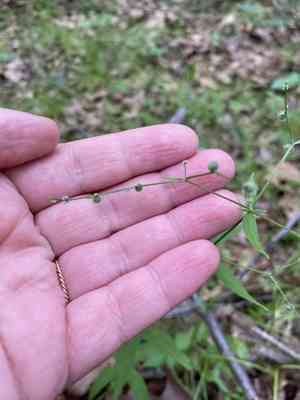
Lanceleaf wild licorice, a member of the Rubiaceae family, is generally propagated via stem sections. This technique requires choosing robust stems that possess sufficient leaves. After severing, immerse the cut ends in a rooting compound, then position them in a potting blend that drains effectively. Ensure steady hydration and supply diffused sunlight. This strategy encourages the formation of roots, leading to a flourishing new specimen.
When Is the Optimal Time to Propagate Lanceleaf Wild Licorice?
Propagation Method
Cutting
Propagation Period
Spring,Summer
What Equipment Is Used for Lanceleaf Wild Licorice Propagation?
Sharp Pruners
Precise pruners are crucial for obtaining clean, accurate cuttings from lanceleaf wild licorice. Clean cuts minimize plant damage and help prevent infections, ensuring healthy and viable cuttings for propagation.
Rooting Hormone
Rooting hormone enhances the probability of successful root formation in lanceleaf wild licorice. It accelerates root development and aids cuttings in establishing faster, boosting overall propagation success rates.
Sterilized Containers
Utilizing sterilized containers prevents contamination and disease transmission, providing a controlled environment for lanceleaf wild licorice cuttings to root and grow safely.
Well-Draining Potting Mix
A potting mix that drains well offers the necessary balance of moisture and air, vital for preventing root rot and encouraging healthy root growth in lanceleaf wild licorice cuttings.
Humidity Dome
A humidity dome maintains elevated humidity levels around lanceleaf wild licorice cuttings, which is essential for preventing desiccation and ensuring an ideal environment for root development.
Spray Bottle
A spray bottle enables gentle and controlled misting of lanceleaf wild licorice cuttings, helping to keep humidity high without saturating the soil.
Heat Mat
A heat mat provides warmth from below, which can stimulate quicker root growth in lanceleaf wild licorice cuttings by warming the soil and encouraging cellular activity.
Labeling Stakes
Labeling stakes assist in identifying each lanceleaf wild licorice cutting and tracking propagation progress, which is vital for maintaining organization and ensuring proper care for every specimen.
How to Propagate Lanceleaf Wild Licorice?
Propagation Type
Easy
How to Care for Your Newly Propagated Lanceleaf Wild Licorice?
How to Care for Your Newly Propagated Lanceleaf Wild Licorice?
After propagating lanceleaf wild licorice, ensure it is planted in soil that drains well and receives sufficient moisture, but avoid overwatering. Position the plant in an area with partial to full shade. Regularly check for pests and diseases, and prune the plant to maintain its form. Fertilize lightly during the growing season to support robust growth.
Common Errors to Avoid When Propagating Lanceleaf Wild Licorice
Overwatering
Excessive watering can lead to root rot, suffocating the young roots of lanceleaf wild licorice and causing the plant to perish.
Improper soil type
Using soil that is too dense or lacks good drainage can retain too much moisture, which can be detrimental to lanceleaf wild licorice's root health and overall development.
Neglecting light requirements
Lanceleaf wild licorice may need a specific light range for optimal growth. Insufficient or excessive light can hinder photosynthesis and impede its development.
Poor seed or cutting selection
Using unhealthy seeds or cuttings can lower germination rates and result in weak or diseased plants.
Ignoring spacing needs
Planting lanceleaf wild licorice too close together can restrict airflow and increase the risk of fungal infections and other ailments.
Tips For Propagating Lanceleaf Wild Licorice
Adequate watering
Maintain a consistent watering schedule, ensuring the soil is moist but not waterlogged to encourage healthy root development.
Suitable soil mix
Use a well-draining soil mix to prevent water retention and promote proper root aeration for lanceleaf wild licorice.
Optimal lighting
Ensure lanceleaf wild licorice receives the appropriate amount of light, ideally a balance of sunlight and partial shade, to support its growth needs.
Healthy propagation material
Select seeds or cuttings from vigorous, disease-free parent plants to maximize the chances of successful propagation.
Proper spacing
Provide adequate spacing between individual plants to enhance airflow and reduce the risk of disease spread.



