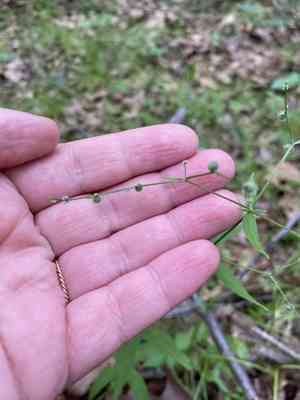
Lanceleaf wild licorice (Galium lanceolatum)
Also known as: Narrowleaf Bedstraw, Lanceleaf Bedstraw
Galium lanceolatum can be found natively in parts of Canada, specifically Ontario and Quebec. In the United States, it primarily inhabits regions such as New England, the Great Lakes area, and the Appalachian Mountains, extending southward to northeastern Alabama and northwestern South Carolina.
In This Article
Attributes of Lanceleaf wild licorice
Lifespan
Perennial
Plant Type
Herb
Plant Height
15-30 cm
Spread
Spread is not typically measured because of its sprawling habit
Leaf Color
Green
Flower Size
1-2 mm
Flower Color
White Red Brown
Images of Lanceleaf wild licorice
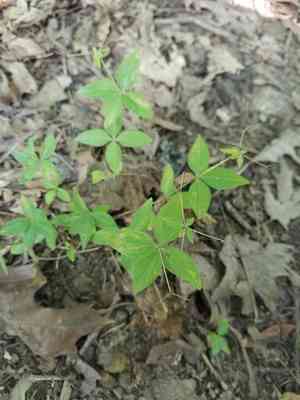
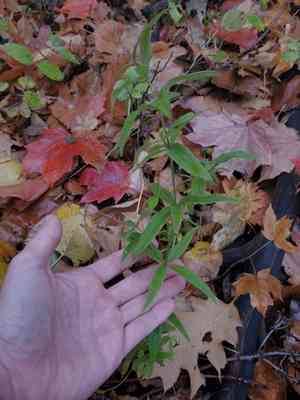
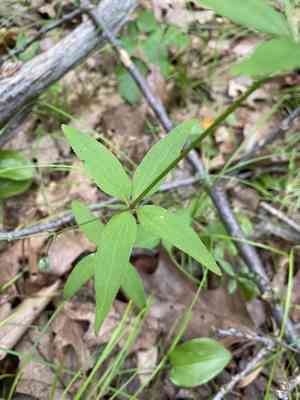
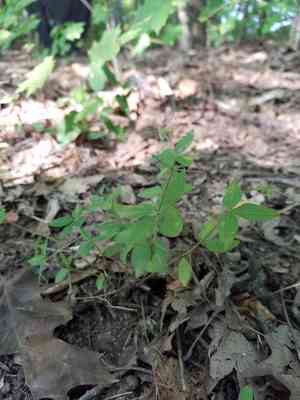
Quickly Identify Lanceleaf wild licorice
1
You can identify Galium lanceolatum by its lance-shaped leaves, which are arranged in whorls, and its small, white, star-shaped flowers. The plant typically grows close to the ground and has a sprawling habit.
Scientific Classification of Lanceleaf wild licorice
Phylum
Vascular plants
Class
Dicotyledons
Order
Gentianales
Family
Madder
Genus
Bedstraws
Species
Lanceleaf wild licorice
Planting and Growing of Lanceleaf wild licorice
Care Difficulty
Easy
Watering Schedule
Every 3 days
Sunlight Requirements
Partial sun
Sunshine Duration
6-10 hours
Ideal Temperature
60-75℉
Soil Type
Potting Mix, Peat Mix
Soil pH
6.5-7.5
Fertilizer Type
Balanced
Pruning Season
Spring, Summer
Pruning Area
Branches, Leaves
Pruning Frequency
2 times a year
Repotting Season
Spring
Pot Type
Plastic, Ceramic
 How to Water Lanceleaf wild licorice?
Water Galium lanceolatum deeply but infrequently, which means soaking the soil thoroughly each time you water. The goal is to ensure that water reaches the root zone, promoting strong root development. The soil should be moist but never waterlogged.
What are the symptoms of an underwatered Lanceleaf wild licorice?
›
What should I do if my Lanceleaf wild licorice is not getting enough water?
›
What are the symptoms of an overwatered Lanceleaf wild licorice?
›
How to save an overwatered Lanceleaf wild licorice?
›
 What Are the Sunlight Requirements for Lanceleaf wild licorice?
Partial sun to full shade is ideal for Galium lanceolatum, where it can enjoy a balance of filtered light and shade, ensuring vigorous growth and maintaining ecological balance as a ground cover.
What kind of light does it need?
›
How can I ensure it gets ideal light?
›
What are the benefits of ideal lighting?
›
 What Is the Ideal Temperature Range for Lanceleaf wild licorice?
For optimal growth, Galium lanceolatum thrives best in a temperature range between 60°F and 75°F. At this range, the plant's physiological processes function optimally, ensuring vibrant growth and resilience against minor environmental stresses.
 What Soil is Best for Lanceleaf wild licorice?
Galium lanceolatum thrives in soil that is well-aerated. This ensures adequate oxygen reaches the roots, promoting healthy growth and preventing root rot. A balanced mix of loam and sandy soil helps achieve this aerated environment. This plant prefers soil that retains moisture without being waterlogged. Loamy soils are ideal as they hold moisture well while allowing excess water to drain, preventing potential water-related diseases. Rich in organic matter, the soil should provide a consistent supply of nutrients necessary for the plant's growth. Loamy soils are typically abundant in organic material, beneficial for sustaining healthy foliage and blooms.
 How to Fertilize Lanceleaf wild licorice?
For Galium lanceolatum, it is important to use a balanced fertilizer, such as a 10-10-10 NPK formula. When using liquid fertilizer, dilute to half the recommended strength to avoid overwhelming the plant. A little goes a long way, so a tablespoon per gallon of water should be sufficient.
 How to Prune Lanceleaf wild licorice?
Always use clean, sharp pruning tools to avoid damaging the plant and introducing diseases. Dull tools can crush plant tissues and hinder recovery. Sterilize your tools with alcohol before starting to ensure a clean working environment. Prune Galium lanceolatum during spring or early summer to avoid cutting off new growth. Pruning too late in the growing season can hinder flowering and negatively affect the plant's appearance and health.
More About Pruning Techniques→
 How to Propagate Lanceleaf wild licorice plant?
1
Choose a well-draining, loamy soil mix. Moisten the soil before planting seeds or placing cuttings. Proper soil preparation ensures adequate aeration and moisture retention, crucial for germination and root development.
2
Scatter the Galium lanceolatum seeds evenly across the seed tray's surface. Lightly press them into the soil without fully burying them. This method ensures seeds receive the necessary light exposure for germination.
3
Select healthy, non-flowering stems from the parent plant. Make a clean cut at a 45-degree angle just below a node. Remove lower leaves to reduce water loss and place the cuttings in water or soil to root.
 How to Repot Lanceleaf wild licorice plant?
1
Repot Galium lanceolatum when you notice the roots emerging from the drainage holes or the plant appears pot-bound. Spring and Autumn are ideal seasons to repot as the plant experiences less stress while transitioning to a new container. Look for signs like reduced growth or frequent wilting, which indicate the plant's need for more space.
2
Opt for a pot that's slightly larger than the current one, with adequate drainage holes to prevent waterlogging. Terracotta pots are excellent as they allow for better air circulation and water evaporation, ensuring the soil doesn't retain excess moisture, which can lead to root rot.
3
Use a well-draining potting mix that retains some moisture but doesn't become soggy. The ideal mix balances organic matter and coarse materials like perlite or sand, promoting healthy root aeration and preventing root rot, ensuring optimal growth for Galium lanceolatum.
Learn More About Lanceleaf wild licorice Diseases
Anthracnose
Bacterial Leaf Spot
Bacterial Soft Rot
Bacterial Wilt
Black Spot
Chemical Injury
Crown Gall
Cyst Nematode
Damping-off
Downy Mildew
Drought Stress
Fusarium Wilt
Gray Mold
Leaf Curl
Leaf Spot
Mosaic
Nutrient Deficiency
Nutrient Toxicity
Powdery Mildew
Root Rot
Root-knot Nematode
Rusts
Sooty Mold
Spider Mites
Temperature Stress
Thrips Damage
White Mold



