How to Transplant Bolivian fuchsia?
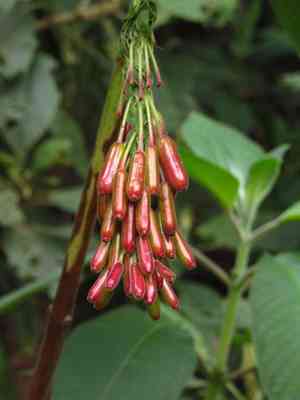
The optimal period for transplanting bolivian fuchsia spans from early spring's emergence through the vibrant blossoming of late spring, guaranteeing robust development. Select a shaded location featuring soil that drains effectively. Careful manipulation is crucial to prevent damage to the roots.
What Preparations are Needed Before Transplanting Bolivian Fuchsia?
What is the Ideal Time for Transplanting Bolivian Fuchsia?
The optimal period to move bolivian fuchsia is from early spring to its peak flowering season. Relocating bolivian fuchsia during this time benefits from mild temperatures and increasing daylight, which promote strong root development and smooth adaptation to their new environment. Giving bolivian fuchsia the best start in this growth-friendly season ensures a vibrant display of its charming, colorful blooms.
How Much Space Should You Leave Between Bolivian Fuchsia Plants?
When arranging your bolivian fuchsia, aim for a spacing of approximately 24-36 inches (61-91 cm) between them. This provides ample room for them to thrive without competing for resources. They appreciate their personal space to showcase their beauty!
What is the Best Soil Mix for Bolivian Fuchsia Transplanting?
Your bolivian fuchsia will flourish in a home enriched with well-draining, loamy soil. Before transplanting, mix in some organic compost to provide them with a nutritional head startâconsider it a comfortable bed with the perfect nutrients!
Where Should You Relocate Your Bolivian Fuchsia?
Find a suitable spot for your bolivian fuchsia that receives partial sunlight. Morning sun with afternoon shade or filtered sunlight throughout the day is ideal to keep them vibrant without excessive heat.
What Equipments Should You Prepare Before Transplantation Bolivian Fuchsia?
Gardening Gloves
To safeguard your hands while handling soil and plants.
Shovel or Spade
For excavating the plant and preparing the new planting site.
Garden Trowel
For smaller digging tasks and refining the planting hole.
Watering Can or Hose
To hydrate the plant before and after relocation.
Pruning Shears
To trim any damaged roots or foliage prior to transplanting.
Wheelbarrow or Plant Dolly
To move the plant and soil without causing harm.
Mulch
To safeguard the root area and maintain moisture levels post-planting.
How Do You Remove Bolivian Fuchsia from the Soil?
How Do You Remove Bolivian Fuchsia from the Soil?
From Ground: First, moisten the bolivian fuchsia plant's soil. Then, dig a wide trench around the plant using a shovel or spade, ensuring the root ball remains intact. Carefully work the spade beneath the root ball to lift the plant from its original spot.From Pot: Water the bolivian fuchsia beforehand to facilitate root ball removal. Tip the pot on its side and gently pull the bolivian fuchsia by the stem's base. If it resists, tap the pot's edges or press the sides to loosen the root ball.From Seedling Tray: Water the seedlings to ensure soil cohesion. Use a garden trowel to scoop out the seedling with attached soil, being careful to keep the root structure intact.
Step-by-Step Guide for Transplanting Bolivian Fuchsia
Preparation
Before moving your bolivian fuchsia, water it thoroughly several hours in advance to minimize root stress and simplify the transplanting process.
Transplant Timing
Transplant your bolivian fuchsia during the cooler parts of the day, either in the morning or late afternoon, to lessen transplant shock.
Digging the Hole
Excavate a hole in the new location that is twice as wide and the same depth as the bolivian fuchsia's root ball, allowing roots to spread easily.
Plant Positioning
Carefully place your bolivian fuchsia in the center of the hole, ensuring it is level and at the same depth it was previously growing.
Refilling the Hole
Backfill the hole with the excavated soil, gently firming around the base to eliminate any large air pockets.
Watering In
Water the plant deeply immediately after planting to settle the soil and hydrate the roots, which is crucial for reducing transplant shock.
Support Provision
If the bolivian fuchsia is tall or top-heavy, provide a stake for support and gently tie the plant to it with garden ties.
How Do You Care For Bolivian Fuchsia After Transplanting?
Watering
Keep the soil around the bolivian fuchsia consistently moist, but avoid waterlogging. Gradually reduce watering as the plant becomes established.
Checking for Pests
Monitor the bolivian fuchsia for signs of pests or disease frequently, especially in the initial weeks after transplanting.
Support Adjustment
Adjust the ties and support as the bolivian fuchsia grows to prevent stem damage.
Mulching
Apply a layer of mulch around the base of your bolivian fuchsia to conserve moisture and suppress weeds, keeping mulch away from the stem to prevent rot.
Observing Plant Health
Keep an eye on the bolivian fuchsia for signs of stress such as wilting or discolored leaves and take action if necessary.
Troubleshooting Common Issues with Bolivian Fuchsia Transplantation.
Why should I space bolivian fuchsia at least 24-36 inches (60-90 cm) apart?
Proper spacing ensures adequate air circulation and sunlight, promoting healthy growth and preventing disease.
What's the ideal time to transplant bolivian fuchsia?
The perfect window for transplanting bolivian fuchsia is from the start of spring to its latter part when temperatures are moderate.
How deep should I dig the hole for transplanting bolivian fuchsia?
Dig a hole that can comfortably accommodate the root ball, allowing it to sit at the same level it was in the pot.
Should I amend the soil when transplanting bolivian fuchsia?
Yes, enrich the planting hole with compost or a balanced, slow-release fertilizer to give bolivian fuchsia a good start.
Why are my transplanted bolivian fuchsia wilting post-transplant?
Wilting is a sign of transplant shock. Ensure proper watering and shade for the first few weeks to lessen stress.
How much should I water bolivian fuchsia after transplanting?
Water thoroughly to settle the soil around the roots. Keep the soil consistently moist but not soggy during establishment.
How do I prepare bolivian fuchsia for transplanting?
Water bolivian fuchsia well a day before transplanting to hydrate the plant and ensure the root ball holds together during the move.
Can I divide bolivian fuchsia while transplanting to propagate it?
Yes, carefully divide the root ball during transplanting but ensure each section has sufficient roots and shoots for successful growth.
How do I protect my transplanted bolivian fuchsia from the cold?
Mulch around the base to insulate the roots but avoid covering the stem, which can cause rot.
What signs show that bolivian fuchsia has successfully adapted after transplanting?
New growth such as fresh leaves or shoots indicates that bolivian fuchsia is establishing well in its new location.



