How to Prune Bolivian fuchsia?
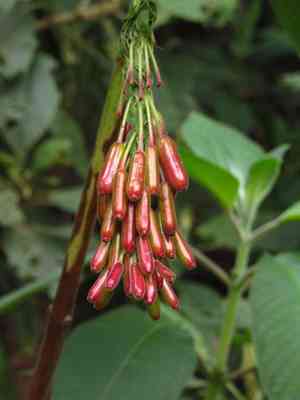
Originating from South America, this flowering shrub flourishes in areas with dappled light. For bolivian fuchsia, trimming encourages a denser form and increased bloom development. Cut directly above leaf junctions and reduce congested limbs, preserving an unobstructed core for light exposure. The ideal period for pruning is from late winter to early spring, circumventing the harshest winter conditions to avert frost harm. Advantages encompass improved air movement, diminished susceptibility to illness, and revitalized development, guaranteeing a spectacular floral presentation.
Advantages of Trimming Bolivian Fuchsia
Advantages of Trimming Bolivian Fuchsia
Trimming bolivian fuchsia promotes robust development and maintains its preferred form. Eliminating old or overgrown stems enhances air circulation, lowering disease risk and stimulating fresh, healthy growth that boosts flowering.
Optimal Time for Trimming Bolivian Fuchsia
Optimal Time for Trimming Bolivian Fuchsia
Late winter and early spring are the best periods for trimming bolivian fuchsia due to several considerations. First, in late winter, the plant is typically concluding its dormant phase, which minimizes stress and allows for better healing of pruning wounds before new growth commences. Second, early spring trimming is advantageous as it coincides with the start of the plant's active growth cycle. This timing helps stimulate new growth in the direction of the pruning cuts, fostering a more desirable shape and healthier structure. Additionally, removing dead or unwanted branches before the plant enters its rapid growth phase ensures that energy is directed towards the production of healthy foliage and flowers. By adhering to these seasonal guidelines, the natural flowering or fruiting cycles of bolivian fuchsia are not disrupted, and the risk of disease or pests exploiting pruning wounds is significantly reduced.
Tools Required for Trimming Bolivian Fuchsia
Hand Pruners
Perfect for making clean cuts on bolivian fuchsia's slender stems and for deadheading. Bypass pruners are preferred over anvil pruners as they create cleaner cuts that heal more readily, minimizing harm to the plant tissues.
Pruning Shears
Useful for shaping bolivian fuchsia and managing its size. Pruning shears offer precision and are less likely to damage delicate stems compared to larger implements.
Long-reach Pruners
Helpful for accessing higher stems of bolivian fuchsia without needing a ladder. This tool ensures safety and ease when trimming taller specimens.
Gloves
Protects the gardener's hands from scrapes and potential skin irritants while trimming bolivian fuchsia. It's wise to select a durable and comfortable pair.
How to Trim Bolivian Fuchsia
Sanitize
Before beginning, disinfect your pruning tools with alcohol or a bleach solution to prevent the spread of disease to bolivian fuchsia.
Dead Branches
Identify and remove dead branches by cutting them at their base where they meet healthy wood, ensuring a clean cut without leaving stubs that could attract pests or disease on bolivian fuchsia.
Diseased Branches
Cut away any diseased branches, making the cut well into healthy tissue to prevent further infection; dispose of these properly to avoid contaminating other parts of bolivian fuchsia.
Clean Cut
Ensure each cut is made at a slight angle to prevent water accumulation, which could lead to rot or fungal infections on the exposed parts of bolivian fuchsia.
Post-Pruning Care
After trimming, clean the area around bolivian fuchsia to remove any fallen debris, and consider applying a wound dressing to large cuts to protect against diseases.
Common Trimming Errors with Bolivian Fuchsia
Over-Pruning
Removing too much foliage can stress bolivian fuchsia and hinder its ability to photosynthesize, which is crucial for its overall health and blooming.
Under-Pruning
Bolivian fuchsia benefits from regular trimming to remove dead or diseased material and to encourage bushier growth; neglecting this can result in a leggy plant with fewer flowers.
Improper Cuts
Making cuts too far from a leaf node, or tearing the stems instead of making clean cuts, can increase the risk of disease and poor regrowth.
Pruning Flowering Wood
Mistakenly cutting back the wood that bears the flower buds can significantly reduce the blooming potential for the current season.
Unsterilized Tools
Using dirty pruning tools can introduce pathogens to bolivian fuchsia, potentially causing infections and spreading disease.
General Trimming Advice for Bolivian Fuchsia
Healthy Growth
Trim bolivian fuchsia to maintain a desired shape and remove any weak or leggy growth, promoting a fuller and healthier plant.
Air Circulation
Thin out dense areas to improve air circulation and light penetration, which can help prevent the onset of diseases.
Disease Management
Regularly inspect and promptly remove any yellowing leaves, dead wood, or diseased areas to maintain the vigor of bolivian fuchsia.
Cutting Technique
Make clean and angled cuts just above leaf nodes to ensure healthy regrowth and reduce the chance of infection or dieback.
Rejuvenation
Occasional hard trimming of older bolivian fuchsia plants can rejuvenate growth and improve flowering, but this should be done with knowledge of the plant's growth patterns.



