How to Propagate Bolivian fuchsia?
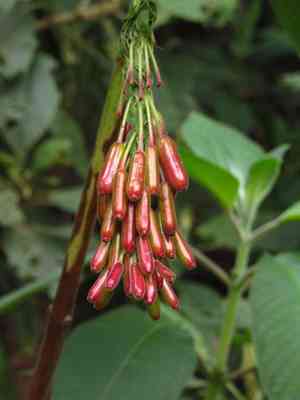
Bolivian fuchsia flourishes when multiplied via cuttings, a technique enabling the plant to generate genetically identical progeny. Cultivators ought to choose robust, non-blooming stems for enhanced success. Employing a keen, sanitized implement, they sever a segment roughly 4-6 inches long, executing a precise cut beneath a leaf joint. To stimulate root formation, submerging the severed tip in a rooting compound prior to potting in a well-aerated soil blend can be advantageous. The substrate must remain damp, and the cuttings positioned in filtered illumination until roots emerge, subsequently allowing for their relocation.
Optimal Time for Bolivian Fuchsia Propagation
Propagation Method
Cutting
Propagation Period
Autumn,Winter
Essential Tools for Bolivian Fuchsia Propagation
Sharp Pruning Shears
Pruning shears are vital for obtaining clean, precise cuttings from bolivian fuchsia. This instrument minimizes harm to the parent plant and helps prevent infection at the cut site. Sharp blades ensure the cutting isn't crushed, which is crucial for successful rooting of bolivian fuchsia.
Rooting Hormone
Rooting hormone powder or gel accelerates root formation when applied to the cut stem end of bolivian fuchsia. This product improves the chances of successful rooting by stimulating root growth, especially beneficial for soft-stemmed plants like bolivian fuchsia.
Sterile Potting Mix
A sterile potting mix offers a clean, controlled environment for bolivian fuchsia cuttings to root. This medium is typically pathogen-free, helping to prevent disease during the critical stages of root establishment.
Propagation Tray
A propagation tray is perfect for organizing and maintaining multiple bolivian fuchsia cuttings in a compact area. These trays can be covered to maintain high humidity and consistent temperature, both beneficial for encouraging root growth in bolivian fuchsia.
Plastic Dome or Cover
A plastic dome or cover fits over the propagation tray to maintain a high humidity environment. This creates a mini-greenhouse effect, essential for bolivian fuchsia cuttings, helping prevent them from drying out before roots develop.
Propagating Bolivian Fuchsia: A Guide
Propagation Difficulty
Moderately Difficult
Post-Propagation Care for Bolivian Fuchsia
Post-Propagation Care for Bolivian Fuchsia
Once bolivian fuchsia cuttings have successfully rooted, typically after a few weeks, gradually introduce them to drier conditions by progressively opening the plastic cover over several days. Transplant the new plants into individual pots when roots are well-established, using a similar well-draining soil mixture. Place the young plants in a spot with bright, indirect light and continue regular watering, allowing the top inch of soil to dry between waterings. Fertilize every two weeks during the growing season with a balanced, diluted liquid fertilizer to support healthy growth. Protect bolivian fuchsia from temperatures below 40°F (4°C) and avoid waterlogged conditions to prevent root diseases.
Common Errors to Avoid When Propagating Bolivian Fuchsia
Overwatering cuttings
Excessive watering of bolivian fuchsia cuttings can lead to root rot and fungal infections, severely impairing the roots' ability to develop and absorb nutrients. Too much moisture creates an anaerobic environment around the roots, hindering growth and potentially killing the young plants.
Using non-sterile tools
When propagating bolivian fuchsia, using unsterilized tools can introduce pathogens to fresh cuttings or seeds, leading to disease outbreaks. This can significantly reduce propagation success, as young plants are particularly susceptible to infections.
Inadequate light conditions
Placing bolivian fuchsia in unsuitable light conditions during propagation, such as excessive direct sunlight or deep shade, can impede plant development. Insufficient light can result in weak, leggy growth, while too much light can scorch delicate new foliage.
Ignoring humidity needs
Failing to maintain a humid environment for bolivian fuchsia cuttings can cause them to dry out before they can successfully root. This error can lead to a significant delay in rooting or the death of the cutting.
Tips for Propagating Bolivian Fuchsia
Use healthy parent plants
Ensure the bolivian fuchsia parent plant is healthy and free from pests or diseases before taking cuttings. This increases the likelihood of successful rooting and growth, as healthier plants produce more robust and viable cuttings.
Provide indirect light
Expose bolivian fuchsia propagates to bright, indirect sunlight. This promotes robust growth without the risk of scorching that direct sunlight can cause, especially on the tender new growth of cuttings and seedlings.
Monitor moisture levels
Keep the soil of bolivian fuchsia cuttings moist but not waterlogged. Use a well-draining potting mix and consider a plastic cover to help retain moisture and humidity, which is crucial for effective rooting.
Root hormone usage
Dipping the cut ends of bolivian fuchsia cuttings in a rooting hormone can significantly enhance root development. This encourages quicker establishment and a higher success rate in propagation.



