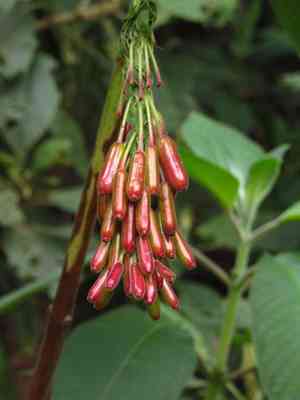
Bolivian fuchsia (Fuchsia boliviana)
Also known as: Bolivian Fuchsia
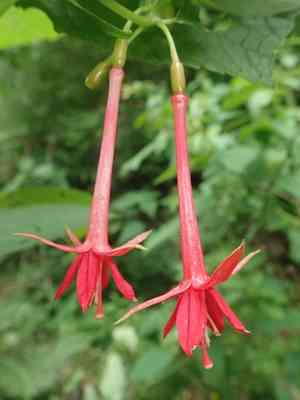
The Bolivian Fuchsia (*Fuchsia boliviana*) is a distinctive evergreen shrub originating from the Andes Mountains in South America. It showcases clusters of striking 10 cm long flowers in a vivid mix of white and bright red. These trumpet-shaped blooms, appearing from spring to fall, draw hummingbirds, butterflies, and bees. Following the flowering period, the plant develops small, green, edible fruits with a sweet taste. It thrives best with morning sunlight and afternoon shade.
In This Article
Attributes of Bolivian fuchsia
Lifespan
Perennial
Plant Type
Tree, Shrub
Plant Height
2 m to 6 m
Spread
1 m
Leaf Color
Green
Flower Size
3 cm to 7 cm
Flower Color
Red Pink
Images of Bolivian fuchsia
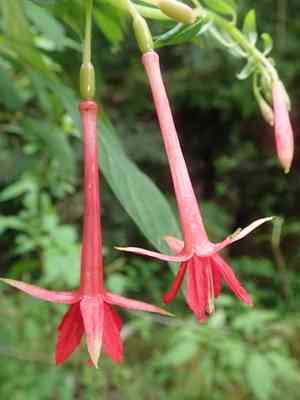
Quickly Identify Bolivian fuchsia
1
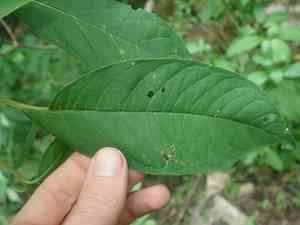
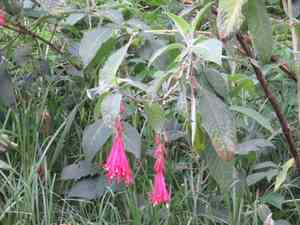
Identification can be done by looking for the long, tubular red flowers, large, oblong leaves, and an upright growth habit. The flowers often have a distinctive white tip.
Scientific Classification of Bolivian fuchsia
Phylum
Vascular plants
Class
Dicotyledons
Order
Myrtales
Family
Evening primrose
Genus
Fuchsias
Species
Bolivian fuchsia
Planting and Growing of Bolivian fuchsia
Care Difficulty
Easy
Watering Schedule
Every 3 days
Sunlight Requirements
Partial sun
Sunshine Duration
4-8 hours
Ideal Temperature
60-75℉
Soil Type
Potting Mix, Peat Mix
Soil pH
6.5-7.5
Fertilizer Type
Balanced
Pruning Season
Spring, Summer
Pruning Area
Branches, Leaves
Pruning Frequency
2 times a year
Repotting Season
Spring
Pot Type
Terracotta, Plastic
 How to Water Bolivian fuchsia?
For Fuchsia boliviana, it's crucial to maintain moist, but not soggy, soil conditions. Water approximately 250 milliliters per session, ensuring the water reaches the roots but doesn't pool excessively in the pot. A balance must be found where the soil retains enough moisture to support the plant, yet allows for adequate oxygenation.
What are the symptoms of an underwatered Bolivian fuchsia?
›
What should I do if my Bolivian fuchsia is not getting enough water?
›
What are the symptoms of an overwatered Bolivian fuchsia?
›
How to save an overwatered Bolivian fuchsia?
›
 What Are the Sunlight Requirements for Bolivian fuchsia?
Partial sun is optimal for Fuchsia boliviana, around 4 to 6 hours a day. This exposure helps maintain lush foliage and encourages prolific flowering, vital for the plant's ornamental value.
More About Sunlight Requirements Techniques→
What is the ideal amount of sunlight for Fuchsia boliviana?
›
How can I achieve these ideal lighting conditions?
›
What benefits does Fuchsia boliviana gain from ideal lighting conditions?
›
 What Is the Ideal Temperature Range for Bolivian fuchsia?
The ideal temperature range for Fuchsia boliviana is between 60°F and 75°F. This range ensures optimal growth and flowering, as it closely mimics the plant's native environment, which is cool and consistent. Consistently maintaining temperatures within this range minimizes stress, enhancing the plant's vigor and overall health.
 What Soil is Best for Bolivian fuchsia?
Fuchsia boliviana thrives best in well-drained soil, which prevents waterlogging and root rot, ensuring proper nutrient uptake and healthy plant growth. The soil should be rich in organic matter to provide adequate nutrients. This enhances the plant's blooming potential and overall vigor by improving soil structure and moisture retention. Maintaining a slightly acidic to neutral pH helps Fuchsia boliviana absorb essential nutrients more effectively, promoting robust foliage and vibrant blooms.
 How to Fertilize Bolivian fuchsia?
For Fuchsia boliviana, it is important to use a balanced fertilizer in moderate amounts. A typical concentration of 20-20-20 liquid fertilizer diluted to half-strength is ideal. Apply around 1-2 tablespoons per gallon of water.
 How to Prune Bolivian fuchsia?
Use a pair of clean, sharp pruning shears to ensure smooth cuts and prevent plant tissue damage. Disinfect tools before use to avoid transmitting any diseases. Inspect the Fuchsia boliviana for any dead or damaged branches. Remove these first to prevent disease spread and make room for new growth. Cut back to healthy tissue. After removing dead wood, trim the plant to maintain a balanced and pleasing shape. Focus on creating an open structure that allows light to penetrate and air to circulate. Cut back any overgrown or overly long shoots. Remove stems to a pair of healthy buds to promote energy into flower production.
More About Pruning Techniques→
 How to Propagate Bolivian fuchsia plant?
1
Collect seeds from mature Fuchsia boliviana plants after the pods have dried. Ensure the seeds are clean and free of any debris before storing them for stratification or immediate planting.
2
Select healthy stems from the parent plant, around 4-6 inches long. Remove any leaves near the cut end and make a clean cut using sharp pruning shears to prevent infection.
3
Dip the cut end of the stem in rooting hormone before placing it into a well-draining potting mix. Ensure that the medium is moist but not waterlogged, and place the cutting in indirect light.
 How to Repot Bolivian fuchsia plant?
1
Signs that it's time to repot your Fuchsia boliviana include roots growing out of the drainage holes or emerging on the soil's surface. The plant may also seem to be top-heavy and have stunted growth, indicating it's outgrowing its current container.
2
Select a pot that is one size larger than the current one. It should have adequate drainage holes to prevent waterlogging, which can lead to root rot. A slightly larger pot will help accommodate the growth of the plant without overwhelming it with excess soil.
3
Opt for a well-draining potting mix with a good balance of organic matter to keep the Fuchsia boliviana healthy. The mix should retain some moisture but not get waterlogged, promoting healthy root development and nutrient uptake.
Learn More About Bolivian fuchsia Diseases
Anthracnose
Bacterial Leaf Spot
Bacterial Soft Rot
Bacterial Wilt
Black Spot
Chemical Injury
Crown Gall
Damping-off
Downy Mildew
Drought Stress
Fusarium Wilt
Gray Mold
Leaf Curl
Leaf Spot
Mosaic
Nutrient Deficiency
Nutrient Toxicity
Powdery Mildew
Root Rot
Root-knot Nematode
Rusts
Sooty Mold
Spider Mites
Temperature Stress
Thrips Damage
White Mold



