How to Transplant Carolina ash?
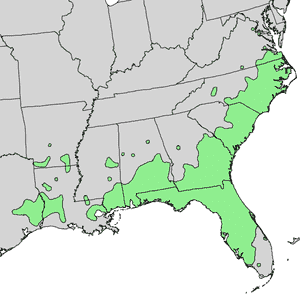
The ideal period for transplanting carolina ash extends from the gentle warmth of late spring into the vibrant energy of early summer. Select a damp, adequately draining location with partial sunlight. Offer additional attention as needed to facilitate the adjustment.
What Preparations are Needed Before Transplanting Carolina Ash?
What is the Ideal Time for Transplanting Carolina Ash?
The optimal period for moving carolina ash is from the peak of spring to the start of summer. This timeframe's consistent weather aids root development without the strain of harsh temperatures. Relocating carolina ash during this season guarantees a smooth transition to new soil, while increasing warmth promotes strong growth. A friendly reminder: this is when carolina ash can best adjust to a new location with minimal shock, setting the stage for future prosperity.
How Much Space Should You Leave Between Carolina Ash Plants?
When preparing space for your new carolina ash, aim for ample distance. Each young tree should have an ideal spot between 24-60 feet (7.3-18.3 meters) apart. This ensures they will have sufficient room to thrive without feeling cramped.
What is the Best Soil Mix for Carolina Ash Transplanting?
Before placing your carolina ash in its new home, ensure the soil drains well and is rich in organic material. A balanced, slow-release fertilizer will provide your carolina ash the gentle boost it needs to settle in and flourish.
Where Should You Relocate Your Carolina Ash?
Your carolina ash loves sunlight, much like people at the beach in summer. When selecting a location, find a spot where the sun's rays can warm your carolina ash throughout the day. Full or partial sun exposure will make your green companion happiest!
What Equipments Should You Prepare Before Transplantation Carolina Ash?
Gardening Gloves
To safeguard your hands while handling soil and the plant.
Shovel or Digging Spade
For excavating earth around the carolina ash plant and creating a new planting site.
Pruning Shears
To trim any damaged or excessively long root structures.
Wheelbarrow or Tarp
To move the carolina ash plant from its original spot to the new planting area.
Watering Can or Hose
To hydrate the carolina ash plant before and after its relocation.
Stake or Support
To stabilize the carolina ash plant if needed in its new position until it takes root.
How Do You Remove Carolina Ash from the Soil?
How Do You Remove Carolina Ash from the Soil?
From Ground: First, moisten the carolina ash plant to dampen the earth. Then, dig a wide trench around the plant using a shovel or spade, ensuring the plant's root ball stays intact. Carefully work the spade beneath the root ball to lift the plant from its initial location.From Pot: Start by watering the soil in the pot to facilitate easier removal of the carolina ash plant. Turn the pot on its side and gently tap or squeeze the edges. Slowly ease the plant out, supporting the root ball and being careful not to pull on the stems.From Seedling Tray: Dampen the soil in the seedling tray. Using a small tool or your fingers, gently dislodge the carolina ash seedling by pushing up from the bottom of the cell, if possible, or by loosening the soil around the seedling to prevent root damage.
Step-by-Step Guide for Transplanting Carolina Ash
Digging the New Hole
Excavate a hole in the prepared ground that is twice as wide and equally deep as the carolina ash's root ball. Ensure the hole is ample enough to accommodate the roots without bending or crowding them.
Root Pruning
Examine the root ball and use pruning shears to remove any broken or dead roots from the carolina ash, ensuring cleaner cuts for improved root development.
Positioning the Plant
Place the carolina ash in the center of the new hole at the same depth it was previously growing. Gently spread the roots outward if they are pot-bound or compacted.
Refilling the Hole
Carefully backfill the hole with the excavated soil. Firm the soil around the carolina ash to eliminate air pockets without heavily compacting the ground.
Stabilizing the Plant
If the carolina ash is tall or top-heavy, insert a stake next to the root ball and loosely tie the plant to the stake for support until the roots are established.
Watering
After transplanting, thoroughly water the carolina ash to settle the soil around the root ball and to provide moisture for the roots, helping to reduce transplant shock.
How Do You Care For Carolina Ash After Transplanting?
Stabilization
Check the support and adjust as needed to keep the carolina ash upright, especially during strong winds or heavy rainfall.
Mulching
Apply a layer of organic mulch around the base of the carolina ash to help retain moisture, regulate soil temperature, and reduce weed growth.
Monitoring
Keep a close watch on the carolina ash's health, looking for signs of transplant shock such as wilting or discolored leaves and take appropriate action if necessary.
Pruning
Trim any dead or damaged branches to help the carolina ash focus its energy on root establishment and recovery from the transplant process.
Troubleshooting Common Issues with Carolina Ash Transplantation.
Why is my carolina ash wilting after transplanting?
Wilting may be due to shock. Ensure sufficient watering and avoid direct sun for a few days to aid recovery.
When is the best time to transplant carolina ash?
The ideal period is during late spring to early summer, when temperatures are mild. This allows carolina ash time to establish.
How far apart should I space carolina ash when transplanting?
Aim for a distance of 24-60 feet (7-18 meters) to provide ample room for growth, ensuring healthy development.
What to do if carolina ash's leaves turn brown after transplanting?
Brown leaves could signal stress. Keep the soil moist, not saturated, and ensure the tree is not exposed to extremes.
Should I prune carolina ash before transplanting?
Light trimming of damaged or excessive growth can help lessen transplant stress and encourage vitality.
How deep should I plant carolina ash during transplanting?
The root ball should be level with the soil surface to prevent trunk rot or drying roots.
Can transplanting carolina ash in hot weather affect its success?
Yes, excessive heat can increase stress. Transplant during cooler parts of the day and provide extra water and shade.
What soil conditions favor the transplantation of carolina ash?
Well-draining soil rich in organic matter is optimal. Avoid heavy clay or waterlogged areas which can lead to root rot.
How do I know if the root system of carolina ash is healthy for transplanting?
Healthy roots are typically firm and white. Avoid planting if roots are mushy or discolored, indicating potential disease.
What should I do if carolina ash doesn't seem to grow after transplanting?
Be patient, as carolina ash may take time to establish. Ensure you're following care guidelines, including proper watering and mulching.



