How to Propagate Carolina ash?
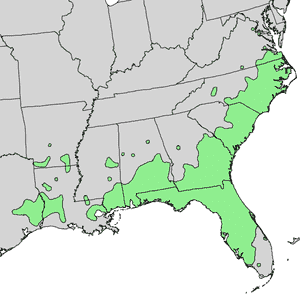
Originating from the marshy areas of the southeastern United States, carolina ash is commonly reproduced via cuttings. To achieve successful propagation, cultivators ought to choose robust, semi-lignified stems and prepare them with a precise incision. These cuttings should then be coated with a rooting stimulant to foster development and embedded in adequately draining substrate, ensuring they remain damp until root systems emerge. This technique offers a dependable way to replicate established plants, contributing to consistent new development. It is crucial to sustain suitable hydration levels and furnish a consistent setting to maximize root formation.
What Is the Best Time To Propagate Carolina Ash?
Propagation Type
Cutting
Propagation Season
Fall,Winter
What Tools Are Used in Carolina Ash Propagation?
Sharp Pruning Shears
Crucial for making clean, precise cuts on carolina ash cuttings, sharp pruning shears help minimize harm to both the parent plant and the cutting. A clean cut improves the cutting's ability to root efficiently, lowering infection risk and boosting survival during propagation.
Rooting Hormone
This chemical compound encourages root development from carolina ash cuttings. Dipping the cut end of the cutting into rooting hormone before planting significantly increases the chance of successful root establishment, vital for new carolina ash plants' viability.
Sterile Potting Mix
A sterile potting mix offers a clean, disease-free environment for carolina ash cuttings to root. This medium is typically light and drains well, perfect for root oxygenation and moisture retentionâkey factors for successful rooting and growth of cuttings.
Propagating Tray
Used to hold carolina ash cuttings in a stable, organized way, propagating trays help maintain necessary humidity and temperature. These trays often have covers to retain moisture and warmth, encouraging faster rooting and healthier initial growth.
Misting Bottle
Regular misting of carolina ash cuttings prevents them from drying out during the crucial early stages of root formation. A misting bottle allows for gentle watering, keeping humidity high without disturbing delicate new roots with heavy water applications.
How to Propagate Carolina Ash?
Propagation Type
Moderately Difficult
How to Care for Your Newly Propagated Carolina Ash?
How to Care for Your Newly Propagated Carolina Ash?
Once the carolina ash cutting has rooted and shows new growth, gradually acclimate it to drier conditions by removing the plastic cover for longer periods daily. Transplant the rooted cutting into a larger pot or directly into the garden in a spot with partial to full sun and well-drained soil. Maintain consistent watering to keep the soil moist, especially during dry spells. Regularly inspect and treat for pests and diseases, as young plants are particularly susceptible. Pruning should occur in the dormant season to encourage a strong, balanced structure.
Common Mistakes to Avoid When Propagating Carolina Ash
Overwatering cuttings
When propagating carolina ash via stem cuttings, a frequent error is excessive watering. This can cause the stem to rot before roots can form, significantly reducing the success rate of propagation efforts.
Using old or unhealthy stems
Choosing old or visibly diseased stems for propagation can impede the growth of new carolina ash trees. Such stems often fail to root or develop into healthy plants due to diminished vigor and potential pathogen load.
Ignoring humidity needs
Carolina ash cuttings require a specific humidity level to root effectively. Neglecting this can lead to the cuttings drying out, resulting in unsuccessful propagation due to moisture stress.
Tips For Propagating Carolina Ash
Use healthy and vigorous stems
Select healthy, young, and robust stems from the parent carolina ash plant for propagation. These have a higher chance of successfully rooting and developing into strong plants.
Control humidity
Maintain a regulated humidity environment for your cuttings. Using a humidity dome or a simple plastic cover can create a mini-greenhouse effect that keeps moisture levels optimal for root development.
Rooting hormone application
Applying a suitable rooting hormone to the cut ends of carolina ash cuttings can significantly boost root development. This promotes faster and more robust root growth, enhancing overall propagation success.



