How to Prune Carolina ash?
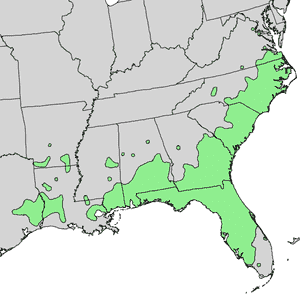
A wetland variety that sheds its leaves, carolina ash, featuring pinnately compound foliage, thrives with judicious trimming to preserve its form and well-being. Remove any lifeless or ailing limbs and reduce the density of the crown to enhance airflow. The optimal period for pruning is typically in late winter or early spring, prior to the emergence of new leaves, to stimulate robust development. Thinning cuts are generally favored over heading cuts. This maintenance practice accentuates the tree's inherent shape and can avert potential fungal ailments, given its affinity for moist conditions.
What Are the Benefits of Pruning Carolina Ash?
What Are the Benefits of Pruning Carolina Ash?
Trimming carolina ash encourages robust development and maintains its desired form. Strategic cuts improve the plant's framework and vigor, crucial for carolina ash's lush appearance and well-being.
What Is the Best Time for Pruning Carolina Ash?
What Is the Best Time for Pruning Carolina Ash?
It is advisable to prune carolina ash during late winter or early spring, typically before new growth begins. The dormant period in late winter, when sap flow is minimal, reduces stress on carolina ash and lowers the risk of disease transmission through cuts. Additionally, the absence of leaves makes it easier to visualize carolina ash's structure, aiding in better decisions about which branches to remove. Early spring pruning ensures that subsequent growth will be strong and healthy, fostering a robust structure for the upcoming season. This timing also prevents the removal of current season's blooms, which could happen if pruning occurs too late in spring or summer.
What Tools Do I Need to Prune Carolina Ash?
Hand Pruners
For trimming smaller branches or twigs on carolina ash, sharp hand pruners or secateurs are essential. They provide precise cuts and are easy to handle for branches up to 1 inch in diameter.
Loppers
Carolina ash's medium-sized branches are best managed with loppers, which offer greater leverage and can cut branches approximately 1 to 2 inches thick. This makes them ideal for shaping and maintaining the foliage without unduly stressing the plant.
Pruning Saw
When dealing with larger branches of carolina ash, a pruning saw is necessary. This tool is designed to cut through wood thicker than 2 inches, as can sometimes occur with mature specimens of carolina ash.
Hedge Shears
For shaping the dense foliage of carolina ash, especially in a hedge configuration, hedge shears allow for quick and uniform trimming of the plant's exterior.
How to Prune Carolina Ash
Clean Tools
Sanitize pruning tools before beginning to prevent the spread of diseases to carolina ash.
Inspect Tree
Visually examine carolina ash to identify dead or diseased branches that require trimming.
Cut Dead Branches
Remove dead branches at their base where they meet healthy wood, ensuring a clean cut without tearing the bark of carolina ash.
Remove Diseased Limbs
Excise diseased limbs by cutting at least 6-12 inches into healthy tissue to ensure all infected parts are removed from carolina ash.
Dispose Trimmed Material
Discard trimmed material away from carolina ash and other plants to prevent the spread of any disease.
Common Pruning Mistakes with Carolina Ash
Over Pruning
Removing too much foliage can stress carolina ash, leading to weakened defenses against pests and diseases.
Improper Cut Location
Making cuts too close to the main trunk can harm the collar, impeding the healing process, while leaving too long a stub can encourage decay.
Using Dull Tools
Pruning with dull tools can cause jagged cuts that are detrimental to carolina ash, as they create larger wounds more susceptible to disease.
Tearing Bark
When cutting large branches, failing to use the three-cut method can result in bark tearing, which may expose the tree to infections.
Flush Cutting
Performing flush cuts against the trunk can create a large wound, increasing the risk of infection and decay in carolina ash.
Random Cutting
Random or indiscriminate cutting without understanding carolina ash's growth pattern can lead to poor tree structure and health.
Common Pruning Tips for Carolina Ash
Clean Tools
Ensure pruning tools are clean and sterilized to prevent the spread of diseases when trimming carolina ash.
Correct Angle
Make cuts at a 45-degree angle away from the bud to promote water runoff and reduce the chance of disease in carolina ash.
Three Cut Method
For large branches, use the three-cut method: first an undercut, then a cut further out to remove the bulk, followed by a final cut close to the trunk to remove the stub cleanly.
Protective Cut Location
Make cuts just outside the branch collar to protect the main trunk and promote more effective healing for carolina ash.
Selective Pruning
Selectively remove only dead, diseased, or crossing branches to maintain the structure and health of carolina ash without excessive thinning.
Regular Maintenance
Prune carolina ash regularly, removing small amounts at a time, to maintain its shape and improve air circulation, which can prevent disease.



