Carolina ash(Fraxinus caroliniana)

Carolina ash (Fraxinus caroliniana)

Also known as: Carolina Ash, Water Ash

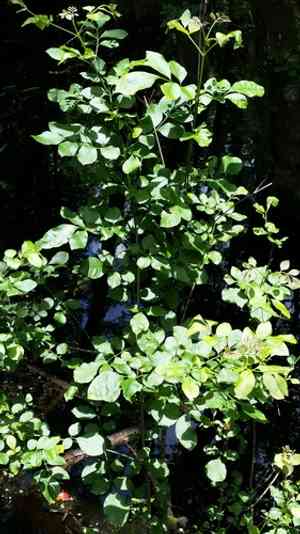
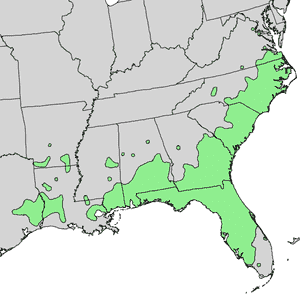
Carolina ash, also known as Fraxinus caroliniana, is a deciduous tree commonly found in the southeastern U.S., favoring wetland environments such as swamps and riverbanks. It features compound leaves with 5-7 leaflets and has grayish, ridged bark. The tree produces small flowers and distinctive winged seeds, known as samaras, which facilitate its spread in moist conditions.

Ecologically, Carolina ash is significant for providing habitat and nesting sites for various wildlife species. Its roots help stabilize soil, reducing erosion in wet areas. Additionally, the tree contributes to water purification in its swampy surroundings and supports biodiversity by offering resources for insects and other organisms. Overall, the Carolina ash plays a crucial role in maintaining the health and stability of wetland ecosystems.

Attributes of Carolina ash

Lifespan
Perennial
Plant Type
Tree
Plant Height
9 m to 15 m
Spread
8 m to 12 m
Leaf Color
Green (summer), Yellow (fall)
Flower Size
Small, less than 1 cm
Flower Color
Greenish

ForwardPlant - Identify plants with a snap

Identify and diagnose plants, get toxicity alerts, and explore safety guides for all types of fungi.

Try for Free

Images of Carolina ash

Carolina ash(Fraxinus caroliniana)

Quickly Identify Carolina ash

1
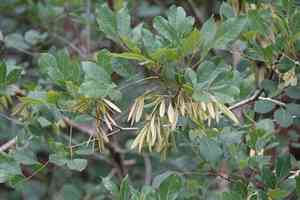
Distinctive flattened broad-wing samaras, 1 1/2 to 2 inches long (3.8 to 5 cm).
2
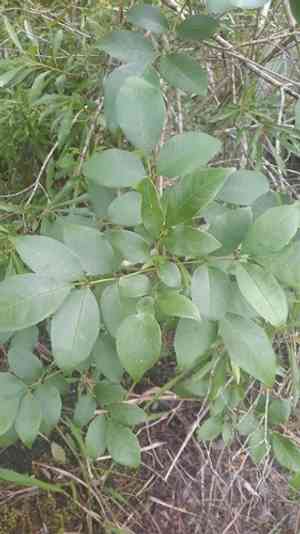
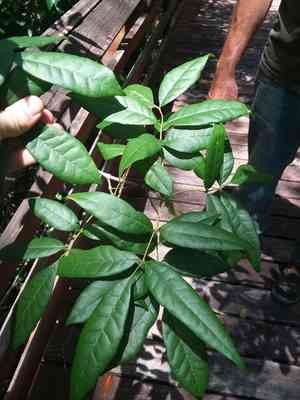
Pinnately compound leaves with 5-9 serrated leaflets, 7-12 inches long (18-30 cm).
3
Smooth to occasionally fuzzy stems, 0.25-0.5 inches in diameter (0.6-1.3 cm), with oval leaf scars.
4
Steel gray to orange-brown bark with irregular, scaly ridges and coarse, flaky texture.
5
Green to purplish dioecious flowers in dense male clusters & airy female panicles.

Scientific Classification of Carolina ash

Phylum
Vascular plants
Class
Dicotyledons
Order
Lamiales
Family
Olive
Genus
Ashes
Species
Carolina ash

Planting and Growing of Carolina ash

Care Difficulty
Easy
Watering Schedule
Every 4 days
Sunlight Requirements
Full sun
Sunshine Duration
6-12 hours
Ideal Temperature
60-75℉
Soil Type
Potting Mix, Peat Mix
Soil pH
6.5-7.5
Fertilizer Type
Balanced
Pruning Season
Spring, Summer
Pruning Area
Branches, Leaves
Pruning Frequency
2 times a year
Repotting Season
Spring
Pot Type
Terracotta, Plastic

water icon How to Water Carolina ash?

When watering Fraxinus caroliniana, aim for about 500 milliliters per session, ensuring the water reaches deep into the soil without causing waterlogging. This allows the roots to soak up the necessary moisture while ensuring the soil is not too saturated.
What are the symptoms of an underwatered Carolina ash?
What should I do if my Carolina ash is not getting enough water?
What are the symptoms of an overwatered Carolina ash?
How to save an overwatered Carolina ash?

sunlight icon What Are the Sunlight Requirements for Carolina ash?

Sunlight Requirements: Full sun, Partial sun
Duration of light: 6-8 hours of sunlight
Fraxinus caroliniana enjoys full to partial sun, benefiting from this range by developing robust and lush foliage, optimal growth, and resilience against pests and diseases.
What is the ideal amount of sunlight for Fraxinus caroliniana?
How can you achieve ideal lighting for Fraxinus caroliniana?
What benefits does the ideal lighting provide to Fraxinus caroliniana?

temperature icon What Is the Ideal Temperature Range for Carolina ash?

Ideal Temperature: 60 ~ 75℉
Fraxinus caroliniana thrives best between temperatures of 60°F and 75°F. These conditions mimic its native habitat, allowing the plant to photosynthesize efficiently while maintaining optimal metabolic rate. Providing such temperatures promotes healthy growth and robust foliage.

soil icon What Soil is Best for Carolina ash?

Soil type: Loam, Sandy loam
Soil PH: 6.5 ~ 7.5
Fraxinus caroliniana thrives in well-draining soil to prevent root rot and excessive moisture retention. This is crucial for its health, as poorly-drained soil can lead to fungal diseases. The roots need to breathe and get a balanced water supply for sustained growth. This species prefers soil rich in organic matter, which supports its robust growth requirements. Organic matter enhances soil fertility, providing essential nutrients that promote the lush foliage characteristic of this ash species. While well-draining, the soil should also retain enough moisture to sustain Fraxinus caroliniana during dry periods. This balance ensures the plant doesn't suffer from drought stress, supporting a steady growth rate.

fertilize icon How to Fertilize Carolina ash?

Fertilizer type: Balanced
For Fraxinus caroliniana, use a balanced fertilizer such as 10-10-10 or 20-20-20. When applying liquid fertilizers, a quarter teaspoon per gallon of water generally suffices. For slow-release fertilizers, use the amount recommended on the packaging, usually around two to three pounds per 100 square feet of planting area.

prune icon How to Prune Carolina ash?

Pruning Time: Spring, Autumn
Identify branches that are dead, crossing, or damaged. These are prioritized for removal to ensure nutrients are directed to the healthy parts of the tree, providing it with the energy to thrive. Make cuts at a 45-degree angle about a quarter-inch above a bud facing the direction of desired growth. Ensure cuts are smooth and clean to promote proper healing and regrowth. For shaping purposes, thin out areas where branches grow too densely. Aim for an open structure to allow sunlight to penetrate and air to circulate, which helps in disease prevention. More About Pruning Techniques

propagate icon How to Propagate Carolina ash plant?

Propagate Time: Spring, Early summer
1
Collect seeds from mature Fraxinus caroliniana trees. Ensure the seeds are mature by checking their external appearance – they should be dry and brown for best germination results.
2
Use a well-draining potting mix to fill the seed trays or pots. Amend the soil with peat moss to retain moisture while ensuring adequate aeration and drainage for optimal germination.
3
In early summer, take 6-inch cuttings from healthy current-year growth. Ensure there are several leaves on each cutting and dip the cut end into rooting hormone to encourage root formation.
More About Propagating Techniques

repot icon How to Repot Carolina ash plant?

Repotting frequency: Every 2-3 years
1
Fraxinus caroliniana needs repotting when you notice roots circling the pot or emerging from drainage holes. These are clear indicators that the plant has outgrown its current home and requires more space to thrive. Additionally, slow growth or even soil compacting can suggest it's time for a new pot. Ideally, aim for repotting in either spring or summer, when the plant's growth phase is active, allowing it to quickly recover from the transition.
2
Select a pot about 2 inches larger in diameter than the current one to allow room for root expansion without overwhelming the plant. Make sure it has adequate drainage holes to avoid waterlogging, which can lead to root rot. Clay pots are often a good choice as they allow soil to breathe, improving root health. The right pot balances root space with a stable environment, promoting robust growth.
3
Opt for a well-draining soil mix, ideally containing a blend of loam, sand, and organic matter. This composition ensures the roots receive adequate oxygen and prevents water from pooling at the base of the pot. Such a mix is beneficial as it retains necessary moisture while allowing excess water to escape, mimicking the tree's natural environment and supporting healthy root development.

ForwardPlant - Identify plants with a snap

Find the best spots for them to optimize their health, simply using your phone.

Try for Free