How to Transplant Yosemite buckthorn?
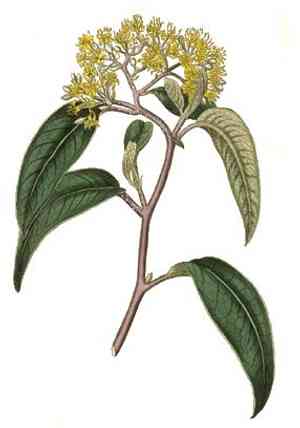
Yosemite buckthorn flourishes optimally when relocated from early to late spring, benefiting from mild temperatures and adequate humidity. Select a sunny spot with soil that drains effectively. Regular irrigation after transplanting is crucial for developing robust root systems.
What Preparations are Needed Before Transplanting Yosemite Buckthorn?
What is the Ideal Time for Transplanting Yosemite Buckthorn?
The best time for relocating yosemite buckthorn is from early to late spring. This period ensures the plant benefits from cooler temperatures and increased soil moisture, aiding strong root establishment. Moving it during this phase also allows yosemite buckthorn to adapt before summer heat stress, promoting vigorous growth.
How Much Space Should You Leave Between Yosemite Buckthorn Plants?
When moving yosemite buckthorn, ensure a spacing of 3-5 feet (0.9-1.5 meters) between them. This provides ample room for each plant to develop and guarantees good air circulation, minimizing disease risk.
What is the Best Soil Mix for Yosemite Buckthorn Transplanting?
Before relocating yosemite buckthorn, prepare well-draining soil rich in organic material. Incorporate a foundational fertilizer like compost or a balanced 10-10-10 (N-P-K) blend to give the plants a robust start.
Where Should You Relocate Your Yosemite Buckthorn?
Select a sunny or partially shaded spot for transplanting yosemite buckthorn. Ideally, they should receive at least 4-6 hours of daily sunlight to flourish, but some afternoon shade can offer protection from intense midday sun.
What Equipments Should You Prepare Before Transplantation Yosemite Buckthorn?
Gardening Gloves
To shield your hands while handling soil and the plant.
Shovel or Spade
To excavate around and lift the plant from its initial spot.
Garden Trowel
For more precise digging and creating transplant holes.
Watering Can or Hose
To hydrate the plant before and after its relocation.
Pruning Shears
To trim any damaged roots or stems as necessary.
Root Ball Burlap
To wrap the root mass if it requires additional support during transport.
How Do You Remove Yosemite Buckthorn from the Soil?
How Do You Remove Yosemite Buckthorn from the Soil?
From Ground: First, water the yosemite buckthorn plant to moisten the soil. Next, dig a wide trench around the plant using a shovel or spade, ensuring the plant's root ball stays intact. Carefully work the spade beneath the root ball to lift the plant from its original position.From Pot: Thoroughly water the yosemite buckthorn plant to loosen the soil. Gently slide the plant out of the pot by tilting it sideways and lightly pressing on the pot's exterior. If the plant is root-bound, make small incisions along the sides of the root mass to encourage new growth.From Seedling Tray: Water the seedlings to facilitate their removal. Use a garden trowel or your fingers to carefully lift each plant from the tray, holding it by its leaves (not the stem) to prevent harm. Take care to keep as much of the root system intact as possible.
Step-by-Step Guide for Transplanting Yosemite Buckthorn
Planting Hole Preparation
Excavate a hole that is twice the width and the same depth as the root ball of the yosemite buckthorn plant. This provides ample space for the roots to spread and establish.
Soil Amendment
If necessary, enrich the soil with compost to ensure it is abundant in organic matter. Mix it thoroughly with the existing soil at the base of the hole.
Plant Placement
Position the yosemite buckthorn plant in the center of the hole, making sure it is at the same depth as it was in its previous location. The top of the root ball should be level with the surrounding ground.
Backfilling
Refill the hole with the excavated soil, gently pressing it down around the roots to eliminate air pockets. Avoid over-compacting the soil as this can impede root growth.
Watering In
Thoroughly water the yosemite buckthorn plant immediately after planting to help settle the soil and reduce transplant shock.
How Do You Care For Yosemite Buckthorn After Transplanting?
Watering
Keep the soil around the yosemite buckthorn consistently moist, but not waterlogged, for the initial few weeks post-transplant to aid in strong root establishment.
Mulching
Apply a 2-3 inch layer of mulch around the plant's base to help retain moisture and suppress weeds. Keep the mulch a few inches away from the stem to prevent rot.
Monitoring
Regularly inspect the plant for indications of stress, such as wilting or yellowing leaves. Address any issues promptly by adjusting watering or checking for pests.
Support
For taller varieties, consider staking the yosemite buckthorn to provide additional support while it establishes itself in its new location.
Troubleshooting Common Issues with Yosemite Buckthorn Transplantation.
When is the best time to transplant yosemite buckthorn?
The optimal period to relocate yosemite buckthorn is from early spring to late spring for ideal growth.
How far apart should yosemite buckthorn be spaced when transplanting?
Space yosemite buckthorn plants 3-5 feet (0.9-1.5 meters) apart to ensure healthy development and sufficient room.
What type of soil is best for transplanting yosemite buckthorn?
Utilize well-draining soil with ample organic content for relocating yosemite buckthorn to foster root health and growth.
How deep should the hole be for transplanting yosemite buckthorn?
Excavate a hole twice as wide and equally deep as the root ball of your yosemite buckthorn.
Should I water yosemite buckthorn immediately after transplanting?
Yes, thoroughly water yosemite buckthorn right after transplanting to help settle the soil and remove air pockets.
Do I need to prune yosemite buckthorn before transplanting?
Lightly trim any damaged or dead sections before relocating yosemite buckthorn to encourage healthier regrowth.
How can I reduce transplant shock for yosemite buckthorn?
To minimize transplant shock, keep the root ball intact and water yosemite buckthorn consistently after moving.
Is mulching necessary after transplanting yosemite buckthorn?
Mulching around yosemite buckthorn helps maintain soil moisture and regulate temperature, even after relocation.
What should I do if yosemite buckthorn shows signs of stress?
If yosemite buckthorn exhibits stress, ensure it is adequately watered and positioned in its preferred sunlight conditions.
Can I transplant yosemite buckthorn during summer?
Relocating yosemite buckthorn in summer is not advised due to higher stress levels and increased watering requirements.



