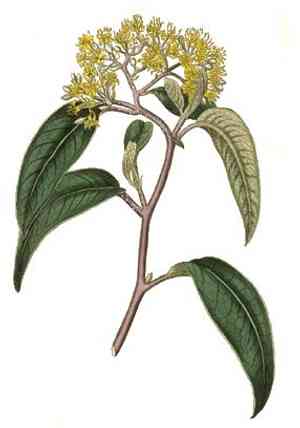
Yosemite buckthorn (Frangula rubra)
Also known as: Red buckhorn, Nevada coffeeberry
The Yosemite buckthorn is a deciduous shrub characterized by its smooth, reddish-brown bark and small, rounded leaves with serrated edges. It flourishes in rocky, well-drained soils often found in mountainous regions. This plant is commonly seen in chaparral and woodland areas, particularly in the Sierra Nevada of California, at elevations ranging from 3,000 to 8,000 feet. The Yosemite buckthorn produces clusters of small, greenish-yellow flowers, which are followed by red to black berries that attract birds and other wildlife.
In This Article
Attributes of Yosemite buckthorn
Lifespan
Perennial
Plant Type
Shrub
Plant Height
1.5 to 3 meters
Spread
1 to 2 meters
Leaf Color
Green
Flower Size
0.3 to 0.5 cm
Flower Color
Greenish-white
Images of Yosemite buckthorn
Quickly Identify Yosemite buckthorn
1
Frangula rubra can be identified by its red branches, alternate leaves which are ovate to elliptic, and clusters of small, red to black berries. The leaves have a finely toothed margin.
Scientific Classification of Yosemite buckthorn
Phylum
Vascular plants
Class
Dicotyledons
Order
Rosales
Family
Buckthorn
Genus
Alder buckthorns
Species
Yosemite buckthorn
Planting and Growing of Yosemite buckthorn
Care Difficulty
Easy
Watering Schedule
Every 2 days
Sunlight Requirements
Partial sun
Sunshine Duration
4-6 hours
Ideal Temperature
60-75℉
Soil Type
Potting Mix, Peat Mix
Soil pH
6-8
Fertilizer Type
Balanced
Pruning Season
Spring, Summer
Pruning Area
Branches, Leaves
Pruning Frequency
2 times a year
Repotting Season
Spring
Pot Type
Plastic, Terracotta
 How to Water Yosemite buckthorn?
Frangula rubra prefers evenly moist soil, which means it should be watered when the top 2-3 centimeters of soil feel dry to the touch. The amount of water should be around 300 ml, enough to moisten the soil thoroughly without causing it to be soggy.
What are the symptoms of an underwatered Yosemite buckthorn?
›
What should I do if my Yosemite buckthorn is not getting enough water?
›
What are the symptoms of an overwatered Yosemite buckthorn?
›
How to save an overwatered Yosemite buckthorn?
›
 What Is the Ideal Temperature Range for Yosemite buckthorn?
For Frangula rubra, the ideal temperature range is between 60°F and 75°F. This range supports optimal physiological processes such as photosynthesis and nutrient uptake, ensuring healthy growth and development. Consistent exposure to these temperatures also minimizes stress, reduces susceptibility to diseases, and maximizes flowering and fruiting potential.
 What Soil is Best for Yosemite buckthorn?
Frangula rubra thrives in well-drained soils, which prevents waterlogging and root rot. This increases the plant's vigor and overall health. Adequate nutrient levels in the soil support robust growth and vivid foliage coloration, essential for the ornamental appeal of Frangula rubra. While excess water is detrimental, moderate moisture retention is essential to support the hydration needs of Frangula rubra, especially during dry spells.
 How to Fertilize Yosemite buckthorn?
For Frangula rubra, use a balanced liquid fertilizer diluted to half-strength. Apply about 250 mL around the base of the plant. This ensures a gentle nutrient supply that does not overwhelm the plant's root system.
 How to Prune Yosemite buckthorn?
Start by identifying dead, diseased, or damaged branches for removal. This is essential for the plant's overall health and ensures that the Frangula rubra can focus its energy on new growth. Trim branches that disrupt the natural shape of the plant or ones that cross over others, as these can create dense areas prone to disease. Aim to create an open structure to allow plenty of sunlight and airflow. Make cuts at a 45-degree angle about a quarter-inch above a bud, facing outward. This technique promotes proper water runoff and prevents moisture from accumulating on the cut surface, which reduces rot risk.
More About Pruning Techniques→
 How to Propagate Yosemite buckthorn plant?
1
Harvest seeds from mature Frangula rubra fruits in early spring. Clean and dry them before storing or sowing to prevent mold and ensure viability.
2
Select healthy stems from the parent plant in spring. Cut about 4-6 inch sections with at least two nodes, making the bottom cut at an angle for better rooting.
3
Plant the seeds in seed trays filled with quality potting mix. Cover lightly with soil and water gently. Place the trays in a warm area and keep the soil consistently moist but not waterlogged.
 How to Repot Yosemite buckthorn plant?
1
Frangula rubra should be repotted when you notice its roots circling the pot's edges or poking out from drainage holes. This indicates the plant is root-bound and needs more space to thrive. Ideally, check the plant's root situation every spring and summer to determine if repotting is necessary.
2
Choose a pot that's one to two inches larger in diameter than the current one. Select a pot with adequate drainage holes to prevent waterlogging, which can lead to root rot. Ideally, clay or terracotta pots are preferable as they allow moisture to evaporate, offering better root aeration and reducing the risk of overwatering.
3
Use a well-draining, loamy soil mix to ensure optimal drainage and nutrient retention. The soil should also be slightly acidic to neutral to mimic its natural habitat. This promotes healthy growth by allowing the roots to access nutrients while maintaining proper hydration levels.
Toxicity
Ingestion
WARNING
The judgment on toxicity and danger is for reference only. We DO NOT GUARANTEE any accuracy of such judgment. Therefore, you SHALL NOT rely on such judgment. It is IMPORTANT TO SEEK PROFESSIONAL ADVICE in advance when necessary.



