How to Prune Yosemite buckthorn?
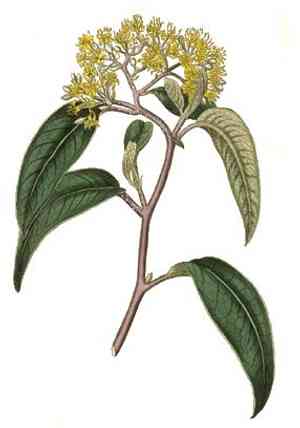
Yosemite buckthorn is distinguished by its deep green foliage and tiny crimson fruits. Trim yosemite buckthorn during the initial part of spring to foster robust development and sculpt its form. Eliminate any lifeless or compromised limbs to deter ailments and enhance air movement. Trimming boosts bloom and fruit yield, guaranteeing a thriving specimen. The most favorable period coincides with the plant's developmental rhythm, aiding strong growth and seasonal inclinations. Always employ sanitized, keen implements to avert contagions and facilitate swifter recovery.
Advantages of Trimming Yosemite Buckthorn
Advantages of Trimming Yosemite Buckthorn
Yosemite buckthorn benefits from trimming by promoting robust development, maintaining its form, managing its size, and enhancing air circulation, which aids in resisting pests and diseases. Regular trimming encourages healthier foliage and can boost blooming and fruit production.
Optimal Period for Trimming Yosemite Buckthorn
Optimal Period for Trimming Yosemite Buckthorn
Trimming yosemite buckthorn in early spring is ideal as it precedes the active growth period. At this time, yosemite buckthorn is still dormant, which minimizes stress and encourages healthy regrowth. Additionally, trimming before the growing season improves air circulation and light penetration, positively contributing to the plant's health. Avoiding trimming during late summer or fall prevents potential frost damage and ensures that yosemite buckthorn can focus its energy on flowering and fruiting during its active periods.
Tools Required for Trimming Yosemite Buckthorn
Bypass Pruners
Excellent for making clean, precise cuts on smaller branches and stems. Bypass pruners help prevent crushing plant tissue, which is vital for the health of yosemite buckthorn.
Loppers
Perfect for cutting thicker branches that are too large for bypass pruners. The long handles provide leverage, making it easier to cut through denser wood without harming yosemite buckthorn.
Pruning Saw
Essential for removing larger branches that exceed the cutting capacity of loppers. A pruning saw allows for clean cuts, which assists in faster healing for yosemite buckthorn.
Pole Pruner
Useful for reaching elevated branches without needing a ladder. This tool is crucial for maintaining the shape and height of yosemite buckthorn.
Hedge Shears
Helpful for shaping and trimming multiple smaller branches simultaneously. Hedge shears can assist in maintaining the desired form and density of yosemite buckthorn.
How to Trim Yosemite Buckthorn
Assessment
Start by thoroughly examining yosemite buckthorn for any diseased leaves, withered leaves, dead branches, and diseased branches. Mark these sections with bright ribbon or chalk for easy identification during the actual trimming process.
Clean Cuts
Using sharp, sterile pruning shears, begin with the dead branches. Cut back to healthy tissue just above a node or the branch collar. Ensure a clean cut to prevent infection.
Remove Diseased Leaves
Carefully detach any diseased leaves. Ensure you cut the leaf where it meets the stem. Immediately dispose of these leaves to prevent the spread of disease.
Trim Withered Leaves
Snip off withered leaves by cutting at the base of the leaf stem. This will help the plant direct its energy into healthy growth.
Remove Diseased Branches
Cut back diseased branches to a point just beyond the affected area, ideally about an inch below where the diseased section begins. Always cut just above a leaf node or bud, angling the cut away to encourage new growth.
Common Trimming Errors with Yosemite Buckthorn
Excessive Trimming
Removing too many branches at once can stress yosemite buckthorn, leading to poor growth and reduced flowering. This error is often made by gardeners attempting to shape the plant too aggressively.
Incorrect Cutting Technique
Using dull or unsuitable tools can create ragged cuts, which may not heal properly and can lead to disease. It's vital to use clean, sharp pruners.
Ignoring Suckers
Failing to remove suckers that sprout from the base can divert energy from the main plant, diminishing its overall health and vigor.
Trimming at the Wrong Time
Trimming during inappropriate periods can disrupt yosemite buckthorn's natural growth cycle, although the specific timing is excluded here.
General Trimming Advice for Yosemite Buckthorn
Utilize Sharp, Clean Tools
Always use well-maintained and sanitized pruning shears to make clean cuts, which promotes quicker healing and reduces the risk of disease.
Trim Lightly and Regularly
Aim to trim lightly but consistently instead of heavy, infrequent trimming to maintain the plant's shape and encourage healthy growth.
Remove Dead and Diseased Wood
Start by cutting away dead, damaged, or diseased branches to prevent the spread of pathogens and improve airflow within the plant.
Focus on Shape and Airflow
When trimming, consider the plant's natural shape and try to open up the center to increase light penetration and air circulation, which helps in reducing disease risk.



