How to Propagate Yosemite buckthorn?
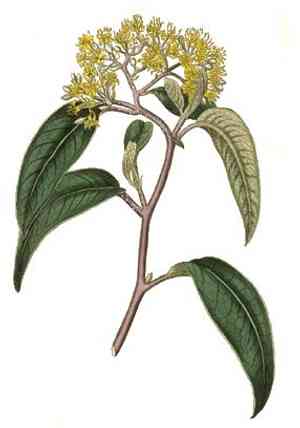
Yosemite buckthorn, a member of the buckthorn genus, flourishes in soils that drain effectively. For propagation via cuttings, choose semi-hardwood stems during the middle of summer, making sure they measure approximately 4-6 inches in length. Submerging the severed ends in rooting compound improves the formation of roots. Position the cuttings in a blend of sand and organic matter, ensuring elevated humidity and diffused illumination. Favorable outcomes result from steady hydration and gentle manipulation to avoid disrupting the root system.
Optimal Period for Propagating Yosemite Buckthorn
Propagation Method
Cutting
Propagation Period
Spring,Summer
Tools Utilized in Yosemite Buckthorn Propagation
Pruning Shears
Employed for harvesting cuttings from yosemite buckthorn. Ensure sharpness and sterility to achieve clean cuts and minimize disease transmission risk.
Rooting Hormone
Facilitates the stimulation of root development on yosemite buckthorn cuttings. Apply to the base of cuttings to boost root formation.
Propagating Trays
Offer an organized and manageable setting for rooting yosemite buckthorn cuttings. Often include drainage holes to prevent water accumulation.
Humidity Dome
Sustains elevated humidity levels around yosemite buckthorn cuttings, vital for preventing desiccation and encouraging root growth.
Heat Mat
Aids in providing consistent soil warmth, which can accelerate root development in yosemite buckthorn cuttings.
Sterile Growing Medium
Crucial for establishing a disease-free environment for yosemite buckthorn cuttings. Typically involves materials like perlite, vermiculite, or a sterile potting blend.
Spray Bottle
Used for misting yosemite buckthorn cuttings, ensuring hydration without saturating the soil.
Labeling Stakes
Important for tracking various cuttings, especially when handling multiple yosemite buckthorn specimens or diverse plant species.
How to Propagate Yosemite Buckthorn?
Propagation Difficulty
Moderately Difficult
Caring for Your Newly Propagated Yosemite Buckthorn
Caring for Your Newly Propagated Yosemite Buckthorn
Once roots have formed, gradually introduce yosemite buckthorn to outdoor conditions by increasing direct sunlight exposure. Transplant the young plants into the garden or larger containers with well-draining soil. Continue regular watering, ensuring the soil doesn't completely dry out, and shield from extreme temperatures. Apply mulch around the base to retain moisture and suppress weeds. Monitor for pests and diseases, and prune as needed to maintain shape and promote vigorous growth.
Common Errors to Avoid When Propagating Yosemite Buckthorn
Overwatering
Excessive moisture can lead to root rot and fungal infections, hindering proper root development and reducing successful propagation chances.
Improper Soil Medium
Using soil that is too dense and retains too much moisture can suffocate roots, while overly fast-draining soil may not provide sufficient moisture for young roots.
Lack of Humidity
Failure to provide a humid environment can cause cuttings or young plants to dry out, making root establishment difficult.
Incorrect Cutting Technique
Improperly taking cuttings can damage plant tissue, reducing cutting viability and increasing infection risk.
Neglecting Sunlight Requirements
Insufficient light can result in weak, elongated growth, while excessive direct sunlight can scorch plant tissues, both impeding successful propagation.
Advice for Propagating Yosemite Buckthorn
Moderate Watering
Water cuttings or young plants moderately to keep the soil moist but not waterlogged. This helps prevent root rot and supports healthy root growth.
Well-Draining Soil
Utilize a well-draining soil mix to ensure proper aeration and prevent waterlogging. A blend of sand, perlite, and peat moss can be effective.
Humidity Control
Maintain a humid environment around the cuttings by covering them with a plastic dome or employing a misting system. This helps keep plant tissues hydrated.
Correct Cutting
Take cuttings with a sterilized sharp knife or pruning shears to avoid crushing plant tissue. Ensure each cutting has at least one node for root development.
Balanced Light Exposure
Provide bright, indirect light to ensure healthy growth. Avoid direct sunlight, especially during the initial propagation stages, to prevent tissue damage.



