How to Transplant Desert olive?
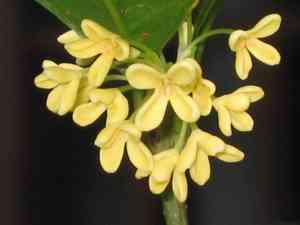
Relocate desert olive when fresh development commences, preferably from the onset of early spring until the brink of summer's heat. Select a bright spot featuring soil that drains effectively. For established plants, guarantee negligible root disruption to achieve successful transplantation.
Essential Preparations Before Relocating Desert Olive
Optimal Period for Moving Desert Olive?
The best time to move desert olive is during the refreshing embrace of early to late spring. This timeframe provides a mild climate ideal for root establishment, allowing desert olive to adapt before summer's heat. Transplanting desert olive in this season capitalizes on spring's vigorous growth, ensuring strong development and minimal shock. It's a wonderful period as nature awakens, offering desert olive the perfect chance to flourish in its new spot.
Required Spacing Between Desert Olive Plants?
Give your desert olive ample room to thrive! Placing them 4-6 feet (1.2-1.8 meters) apart will ensure they have sufficient space to grow broad and healthy without competing for resources.
Ideal Soil Blend for Desert Olive Relocation?
For your desert olive, well-draining soil is crucial. Enhance your garden bed with quality compost to supply nutrients. A balanced slow-release fertilizer can provide an excellent start without overwhelming them.
Where to Replant Your Desert Olive?
Your desert olive thrives on sunlight, so select a bright location in your garden that receives a solid 6 hours of direct, uninterrupted sun daily. Happy planting!
Equipment Needed Before Transplanting Desert Olive
Gardening Gloves
To safeguard your hands while handling soil and the plant.
Shovel or Spade
For digging up the plant and preparing a new planting site.
Pruning Shears
To trim any damaged roots or branches.
Wheelbarrow
To move the desert olive and soil.
Watering Can or Hose
To hydrate the desert olive before, during, and after its relocation.
Tarp or Burlap
To hold soil and protect the root ball during transit.
How to Extract Desert Olive from the Ground?
How to Extract Desert Olive from the Ground?
From Ground: First, water the desert olive plant to moisten the soil, making it easier to manage. Dig a wide trench around the plant, extending a foot or more from the base to avoid cutting into the root ball. Use the shovel or spade to carefully lift the root ball from the ground, then place it on the tarp or burlap for transport to its new spot.From Pot: Water the desert olive to ensure the soil is damp. Tilt the pot sideways and gently tap or press its sides to loosen the root ball. Grasp the plant's base and carefully ease it out of the pot, minimizing root disturbance.From Seedling Tray: Water the tray beforehand to soften the soil. Use a small tool or your fingers to gently lift the seedling by its leaves, not the stem, to prevent damage. Carefully separate the roots if they are intertwined with others.
Step-by-Step Guide for Relocating Desert Olive
Preparation
Gather all necessary tools, ensuring they are clean and functional. Identify the new spot for the desert olive.
Root Ball
Carefully excavate the root ball, keeping as much soil around the roots as possible for stability and to lessen shock.
Hole
Dig a hole twice as wide as the root ball and of equal depth in the new location to provide ample space for root expansion.
Planting
Position the desert olive in the center of the hole at the same depth it was previously growing. Adjust the root ball to be level and upright, then backfill the hole with soil gently but firmly.
Watering
Water the desert olive thoroughly after planting to settle the soil and remove air pockets. Continue to provide regular watering to keep the soil moist.
Support
If the desert olive is large or in a windy area, stake the plant for extra support until it establishes itself.
Post-Transplant Care for Desert Olive
Staking
Offer temporary support with stakes if the desert olive is top-heavy or in a windy spot, being careful not to harm the root ball.
Mulching
Apply a layer of mulch around the base to help retain moisture, regulate soil temperature, and reduce weed growth, leaving space around the stem to prevent rot.
Observation
Regularly inspect the plant for signs of stress, such as wilting or discolored leaves, and take appropriate action.
Pruning
Trim any damaged or broken branches to direct the desert olive's energy towards establishing new roots.
Consistent Watering
While the desert olive is settling in, ensure it receives enough water to keep the soil consistently moist. Once established, you can reduce the frequency.
Patience
Remember that it takes time for a transplanted desert olive to fully recover and begin vigorous growth, so provide it with care and time to adjust to its new home.
Addressing Common Issues with Desert Olive Relocation.
When is the best time to move desert olive?
The ideal period for relocating desert olive spans from early spring to late spring.
What spacing should I use when planting desert olive?
Place desert olive at least 4-6 feet apart (1.2-1.8 meters), allowing ample room for growth.
Why is my desert olive not thriving after transplant?
Ensure the root ball remains intact during transplant and water sufficiently; avoid planting too deep or in poor soil.
How do I prepare the soil for desert olive transplanting?
Mix well-draining soil with organic matter, maintaining a slightly acidic to neutral pH for optimal growth.
What should I do if desert olive leaves wilt post-transplant?
Consistent watering to keep the soil moist but not waterlogged is vital; check for proper soil drainage.
How deep should the planting hole be for desert olive?
Dig a hole twice as wide as the root ball, but no deeper than its height, to ensure level planting.
Can I transplant desert olive during the summer?
It's best to transplant in cooler weather; summer heat can stress the plant, making early to late spring ideal.
Should I fertilize desert olive right after transplanting?
Delay fertilizing; allow desert olive to adapt to its new environment and establish roots, then fertilize sparingly.
How do I ensure the roots of desert olive spread after transplanting?
Water deeply to encourage downward growth; consider gently separating the roots if pot-bound before planting.
My desert olive is drying out post-transplant, what should I do?
Mulch around the base to conserve moisture, avoiding the trunk, and increase watering frequency without causing soggy soil.



