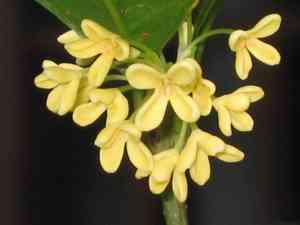
Desert olive (Forestiera pubescens)
Also known as: Spring Herald, Devil's Elbow, New Mexico Privet, Stretchberry
Desert olive plants, which have distinct male and female bushes, attract wildlife primarily during specific seasons. In early spring, butterflies are drawn to the flowers for a brief period. Female plants produce small bluish berries that become a food source for birds, especially in the fall and winter months.
In This Article
Attributes of Desert olive
Lifespan
Perennial
Plant Type
Shrub
Plant Height
1.8 m to 4.5 m
Spread
1.4 m
Leaf Color
Green
Flower Size
0.1 to 0.2 inches (3 to 5 mm)
Flower Color
Yellow Green
Images of Desert olive
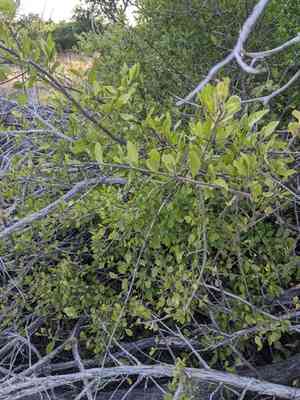
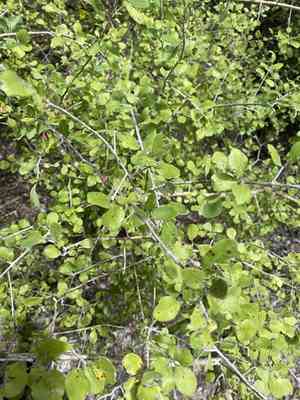
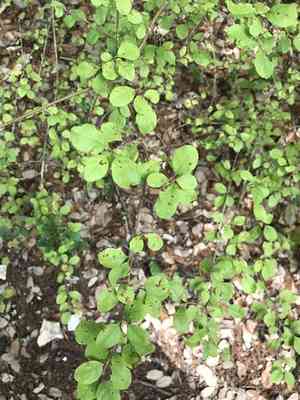
Quickly Identify Desert olive
1
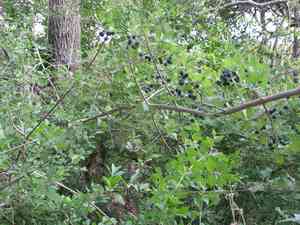
Forestiera pubescens can be identified by its oppositely arranged leaves, small size, and the presence of small, yellowish-white flowers that bloom before the leaves appear in early spring. The leaf margins are serrated, and the fruits are small, bluish-black drupes.
Scientific Classification of Desert olive
Phylum
Vascular plants
Class
Dicotyledons
Order
Lamiales
Family
Olive
Genus
Swampprivets
Species
Desert olive
Planting and Growing of Desert olive
Care Difficulty
Easy
Watering Schedule
Every 2 days
Sunlight Requirements
Full sun
Sunshine Duration
4-8 hours
Ideal Temperature
60-80℉
Soil Type
Potting Mix, Peat Mix
Soil pH
6.5-7.5
Fertilizer Type
Balanced
Pruning Season
Spring, Summer
Pruning Area
Branches, Leaves
Pruning Frequency
2 times a year
Repotting Season
Spring
Pot Type
Plastic, Ceramic
 How to Water Desert olive?
Forestiera pubescens, or commonly known as Texas Elbow Bush, typically requires about 250 milliliters of water each session. It's essential to ensure the water penetrates deeply to reach the roots, rather than just soaking the surface. This mimics natural rainfall patterns and encourages a stronger root system. Always allow the soil to dry out between waterings, but ensure it's not too dry for these woody shrubs.
What are the symptoms of an underwatered Desert olive?
›
What should I do if my Desert olive is not getting enough water?
›
What are the symptoms of an overwatered Desert olive?
›
How to save an overwatered Desert olive?
›
 What Are the Sunlight Requirements for Desert olive?
Forestiera pubescens prospers best in a range from full sun to partial sun, taking advantage of sunlight to thrive. Ideal lighting encourages healthy photosynthesis, bolstering the plant's overall vigor, aesthetic appeal, and resilience against stress.
More About Sunlight Requirements Techniques→
What is the best sunlight condition for Forestiera pubescens?
›
How can you ensure ideal sunlight exposure?
›
What benefits does ideal lighting provide to the plant?
›
 What Is the Ideal Temperature Range for Desert olive?
Forestiera pubescens thrives best within an ideal temperature range of 60°F to 80°F. These conditions mimic its natural habitat and ensure optimal physiological processes, such as photosynthesis. By maintaining these temperatures, you will encourage robust growth and healthy foliage.
 What Soil is Best for Desert olive?
Forestiera pubescens thrives in well-drained soil, as this prevents waterlogging, which can lead to root rot. Well-drained soil ensures that the roots receive adequate oxygen, promoting healthy growth and resilience against diseases. Having a soil abundant in nutrients allows Forestiera pubescens to flourish by providing essential elements needed for growth and reproduction. A nutrient-rich soil supports robust leaf, flower, and fruit development, contributing to the plant's vitality. Maintaining moderate moisture levels in the soil is crucial for Forestiera pubescens. While it can tolerate some drought, consistently moist soil helps sustain its growth, especially during hot or dry periods, enhancing its overall health.
 How to Fertilize Desert olive?
For Forestiera pubescens, it is important to use fertilizers sparingly. For liquid fertilizers, mix a balanced liquid fertilizer at half the recommended strength on the package. For slow-release fertilizers, use about 1 pound per 100 square feet of ground area. Always follow manufacturer recommendations on quantities to avoid over-fertilization.
 How to Prune Desert olive?
Before you start pruning Forestiera pubescens, ensure your tools are clean and sharp to make precise cuts. Disinfect tools to prevent the spread of pathogens. Assess the plant's shape and growth direction for strategic cuts. Carefully inspect the shrub for any dead, damaged, or diseased branches. Remove these first to prevent any potential spread of disease, making sure to cut at a healthy point just above a bud. To maintain its natural form, focus on shaping the shrub by removing unwanted or overly crowded branches. This encourages light penetration and improves overall plant health while ensuring a pleasing structure. Prune back overly long branches to encourage bushier growth. Cut just above a bud facing outward to promote growth in a desirable direction, helping to fill in gaps and maintain a full appearance.
More About Pruning Techniques→
 How to Propagate Desert olive plant?
1
Fill the seed tray with a well-draining potting mix. It should be moistened beforehand, but not too wet, to provide an optimal environment for seed germination.
2
For cutting propagation, select healthy, non-flowering branches and cut approximately 4-6 inches below a node. It's important to remove any leaves from the bottom half to prevent rot.
3
To divide, carefully dig out the plant and separate the root clumps. Ensure each division has roots and shoots before replanting them into individual pots with fresh soil.
 How to Repot Desert olive plant?
1
Repot Forestiera pubescens when you notice roots growing out of the drainage holes or the growth seems stunted. These are clear signals that the plant is outgrowing its current pot and needs more space for healthy development.
2
Select a pot that is one size larger than the current one, with ample drainage holes to prevent water retention. A slightly larger pot will encourage healthy root growth and prevent waterlogging, which can harm the plant.
3
Opt for a well-draining potting mix to ensure that excess water can escape. This will help prevent root rot, encouraging a robust root system that supports vigorous growth.
Learn More About Desert olive Diseases
Anthracnose
Bacterial Leaf Spot
Bacterial Wilt
Black Spot
Chemical Injury
Crown Gall
Damping-off
Downy Mildew
Drought Stress
Fusarium Wilt
Gray Mold
Leaf Curl
Leaf Spot
Mosaic
Nutrient Deficiency
Nutrient Toxicity
Powdery Mildew
Root Rot
Root-knot Nematode
Rusts
Sooty Mold
Spider Mites
Temperature Stress
Thrips Damage
White Mold



