How to Prune Desert olive?
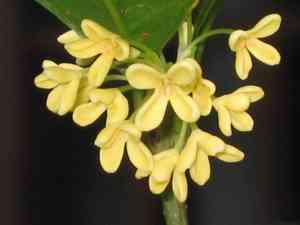
A robust bush that flourishes in dry environments, desert olive benefits from trimming to preserve its form and stimulate robust development. Perform pruning in late winter or early spring prior to the emergence of new shoots. Reducing older branches and eliminating deceased or compromised wood improves air circulation and light exposure. Conservative trimming retains the plant's inherent shape, whereas revitalization pruning can foster more energetic foliage. Trimming after blooming facilitates seed generation, which is vital for indigenous fauna.
What Are the Benefits of Pruning Desert Olive?
What Are the Benefits of Pruning Desert Olive?
Trimming desert olive promotes robust development and helps maintain its desired form. Strategic cutting encourages a strong framework, preventing excessive growth and ensuring the plant remains visually appealing and structurally sound.
What Is the Best Time for Pruning Desert Olive?
What Is the Best Time for Pruning Desert Olive?
Trimming desert olive during late winter to early spring coincides with its dormant phase before new growth starts, minimizing stress and lowering the chance of disease entry through pruning wounds. Furthermore, this timing allows gardeners to identify old wood without leaves, enabling precise cuts that foster healthy growth and blooming in the subsequent season.
What Tools Do I Need to Prune Desert Olive?
Hand Pruners
Perfect for snipping thin stems and small branches on desert olive. Being precise and easy to handle, they enable accurate cuts without harming nearby branches.
Loppers
When desert olive has thicker branches, typically up to 1.5 inches in diameter, loppers offer the necessary leverage and cutting power while remaining manageable.
Pruning Saw
For mature desert olive with branches exceeding 1.5 inches in thickness, a sturdy pruning saw is essential for making clean cuts through such dense wood without tearing the bark.
Hedge Shears
Since desert olive can be utilized as a hedge or to form a screen, hedge shears are a crucial tool for shaping and maintaining a uniform, dense appearance by trimming soft shoots and foliage.
Pole Pruner
When dealing with an older, taller desert olive, a pole pruner allows you to reach and safely trim higher branches without needing to use ladders.
How to Prune Desert Olive
Sterilize
Before starting the pruning process, sanitize the pruning tools with a solution of 1 part bleach to 9 parts water to prevent the spread of disease to desert olive.
Remove diseased
Identify and eliminate any diseased leaves and branches from desert olive, ensuring clean cuts to avoid damaging the healthy parts of the plant.
Cut dead material
Trim away all dead branches and withered leaves from desert olive to maintain the plant's health and improve its appearance, making sure to cut at the base of the dead material.
Thin density
Thin out desert olive's branches to improve air circulation and light penetration, which is vital for the plant's overall health, taking care not to remove more than one-third of the foliage in a single session.
Maintain shape
Shape desert olive by selectively trimming branches to maintain or encourage the desired form, considering the natural shape of the plant for aesthetically pleasing results.
Common Pruning Mistakes with Desert Olive
Over-pruning
Cutting too much can stress desert olive, leading to weak growth and diminished health.
Improper cutting technique
Incorrect cuts may damage the bark or create large wounds exposing desert olive to pests and diseases.
Disregarding shape
Lack of attention to the natural growth habit of desert olive can result in an unnatural appearance and harm its overall structure.
Neglecting tool hygiene
Pruning with unclean tools can introduce pathogens to desert olive, potentially causing disease transmission.
Leaving stubs
Leaving branch stubs instead of cutting close to the trunk or a main branch can prevent proper healing and encourage decay.
Flush cutting
Cutting too close to the trunk, known as flush cutting, can damage desert olive's protective bark collar, leading to disease entry.
Ignoring dead or damaged limbs
Neglecting to remove dead or damaged limbs may hinder desert olive from directing energy to healthy growth.
Common Pruning Tips for Desert Olive
Use sharp tools
Ensure pruning tools are sharp to make clean cuts that heal quickly and minimize harm to desert olive.
Cut at node
Prune just above a node or branching point to promote healthy regrowth and maintain desert olive's natural shape.
Focus on health
Remove only dead, diseased, or crossing branches to improve air circulation and prevent potential problems for desert olive.
Consider appearance
Prune to maintain or enhance the natural form of desert olive, preserving its aesthetic appeal.
Angle cuts
Make cuts at a 45-degree angle away from buds to allow water to run off and reduce the risk of disease.
Maintain cleanliness
Clean tools before and after use to prevent the spread of pests and diseases to and from desert olive.
Monitor pruning volume
Avoid removing more than one-third of desert olive's canopy at any one time to prevent shock and stress.
Prune progressively
Assess desert olive after each cut to decide if further pruning is necessary, ensuring it is done judiciously.



