The Desert olive Plant Advantage: Maximizing Home and Office Appeal and Wellness
1
The desert olive is a robust plant well-suited for dry climates, ideal for xeriscaping.
2
Desert olive offers crucial living space for diverse fauna, enhancing regional ecological variety.
3
Incorporating Desert olive into landscape designs aids in preventing soil degradation and stabilizing the ground.
How Can Desert olive Improve Your Garden?
Water Conservation and Drought Tolerance
Desert olive is well-suited for dry climates, needing little water to flourish. This makes it an excellent choice for xeriscaping, where conserving water is a priority. Its deep root system allows it to survive extended dry periods, reducing the need for frequent watering and supporting eco-friendly gardening practices.
Soil Stabilization and Erosion Control
A key environmental advantage of Desert olive is its capacity to prevent soil erosion. The plant's extensive root system anchors the soil, making it less vulnerable to erosion from wind or water. This is especially useful in areas prone to soil degradation, where Desert olive can help maintain soil integrity and foster healthier ecosystems.
What Ecological Advantages Does Desert olive Provide?
Supporting Local Wildlife
Desert olive serves as an important habitat for various animal species. Birds, insects, and small mammals use the plant for shelter and food, thereby boosting local biodiversity. Its flowers attract pollinators like bees and butterflies, while its berries offer sustenance for birds and other creatures, creating a vibrant ecosystem around your garden.
Enhancing Biodiversity
Introducing Desert olive to your garden or local environment can significantly increase biodiversity. By offering a habitat for a wide array of species, Desert olive helps create a more balanced and resilient ecosystem. This increased biodiversity not only benefits wildlife but also promotes a healthier and more sustainable environment for both plants and animals.
Practical Applications of Desert olive in Landscaping
Aesthetic Appeal
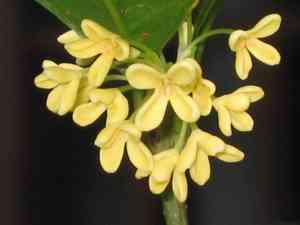
Desert olive offers notable visual qualities that can enhance the beauty of any landscape. The plant's distinctive foliage and seasonal blooms add color and texture to gardens, while its robust nature ensures it remains attractive year-round. Landscaping with Desert olive can create a pleasant and sustainable outdoor space that requires minimal upkeep.
Providing Shade and Windbreaks
Beyond its ornamental value, Desert olive can serve practical purposes such as offering shade and acting as a windbreak. Its dense leaves provide relief from the sun, creating cooler microclimates within the garden. Furthermore, its structure can lessen the force of the wind, protecting other plants and reducing soil drying. This makes Desert olive an excellent option for multi-functional landscaping projects.
How to Integrate Desert olive into Your Garden Design?
Choosing the Right Location
When planning to include Desert olive in your garden, selecting the appropriate spot is essential. Since Desert olive thrives in well-drained soils and sunny areas, ensure you place it in locations that receive ample sunlight and have good drainage. This will maximize its growth potential and environmental benefits.
Companion Planting
Companion planting with Desert olive can optimize your garden's health. Consider pairing it with other drought-tolerant species that have similar water and soil needs. This not only improves the garden's overall appearance but also fosters a supportive plant community that thrives in similar conditions. Good companions include cacti, succulents, and other native desert plants.
Why Is Desert olive Suitable for Sustainable Landscaping?
Low Maintenance Requirements
In addition to its environmental benefits, Desert olive is known for its minimal maintenance needs. Its ability to withstand harsh conditions and low water requirements makes it an easy-to-care-for plant, ideal for sustainable landscaping. Whether you are an experienced gardener or a beginner, incorporating Desert olive into your garden can reduce your overall maintenance efforts while contributing to a more sustainable outdoor space.
Climate Resiliency
The climate resilience of Desert olive is another significant advantage. It can endure extreme temperatures, drought, and poor soil conditions, making it suitable for various climate zones. By choosing climate-resilient plants like Desert olive, you can ensure the long-term sustainability and vitality of your garden, even in the face of changing climate conditions.
The Role of Desert olive in Conservation Efforts
Promoting Native Flora
Integrating Desert olive into conservation efforts can help promote native plants and restore natural habitats. As a native species in many arid regions, Desert olive supports the natural ecology and contributes to the preservation of local plant species. Conserving native plants like Desert olive is crucial for maintaining regional biodiversity and ecological balance.
Restoration Projects
Due to its hardy nature and ecological benefits, Desert olive is often used in habitat restoration projects. Its ability to stabilize soil, provide habitat for wildlife, and thrive in difficult conditions makes it an ideal candidate for restoring degraded landscapes. By planting Desert olive, conservationists can rehabilitate damaged ecosystems and promote a healthier environment.



