How to Transplant Syrian-privet?
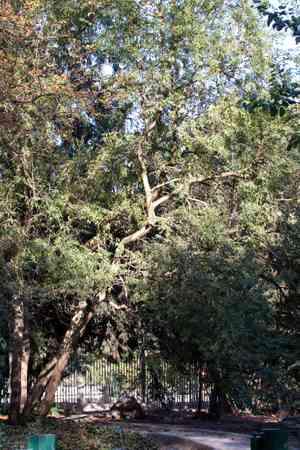
The most favorable time to relocate syrian-privet is as late spring transitions into the pleasant early days of summer. Choose a location bathed in sunlight with soil that drains effectively for syrian-privet to flourish. A crucial tip: guarantee very little disruption to the roots to foster smooth integration.
Essential Preparations Before Relocating Syrian-privet?
When is the Optimal Period for Moving Syrian-privet?
The prime time for relocating syrian-privet occurs during its active growth phase, specifically from late spring to early summer. This timeframe provides an ideal balance of moderate temperatures, allowing syrian-privet's root system to establish itself comfortably before the intense summer heat. Utilizing this window ensures your syrian-privet has ample opportunity to develop a strong root network, crucial for its future vitality. The earth's gentle warmth and extended daylight hours offer a welcoming environment for syrian-privet to spread its roots without the stress of extreme weather.
What is the Recommended Spacing Between Syrian-privet Plants?
For syrian-privet, aim for a comfortable separation of approximately 5-6 feet (1.5-1.8 meters) between plants. This spacing allows them to thrive and prevents overcrowding.
Which Soil Blend is Best for Syrian-privet Relocation?
Your syrian-privet will flourish in well-drained soil with added nutrients! Prior to transplanting, incorporate organic compost to enrich the ground. A balanced, slow-release fertilizer will provide your syrian-privet with a healthy start!
Where Should You Replant Your Syrian-privet?
Select a location for your syrian-privet where sunlight is abundant. An area receiving full sun to partial shade will be perfect. This translates to at least 4-6 hours of daily sunlight. Your syrian-privet will appreciate the warmth and illumination!
What Tools Are Necessary Before Transplanting Syrian-privet?
Gardening Gloves
To safeguard your hands while handling soil and syrian-privet.
Shovel or Spade
For excavating around and beneath the syrian-privet to extract it from its current spot and to prepare the new planting hole.
Watering Can or Hose
To hydrate the syrian-privet before and after relocation to minimize stress.
Pruning Shears
To trim any damaged roots or branches prior to transplanting.
Wheelbarrow
To move the syrian-privet from its original position to the new planting site.
Garden Fork
To loosen the soil, facilitating easier removal and replanting of the syrian-privet.
Soil Knife
To cleanly sever roots if plant division becomes necessary.
Mulch
To aid in retaining soil moisture and regulating soil temperature after transplant.
Burlap or Tarp
To support the root ball and protect it during transit.
How to Extract Syrian-privet from the Ground?
How to Extract Syrian-privet from the Soil?
From Ground: Start by watering the syrian-privet to soften the soil for easier handling. Next, use a shovel or spade to dig a wide circle around the plant, creating a generous trench. Be careful to preserve the root ball by inserting the spade underneath and gently lifting the plant.From Pot: Water the syrian-privet thoroughly, then tilt the pot sideways and carefully slide the plant out. Use your hands to support the root ball and avoid pulling on the stems.From Seedling Tray: Water the seedlings sufficiently to prevent root damage. With a soil knife or your fingers, gently push out each syrian-privet seedling, ensuring the root mass and surrounding soil are included.
Step-by-Step Guide for Relocating Syrian-privet
Preparation
Ensure the new planting area is free of weeds and debris. It's best to have a hole already dug to minimize the time the syrian-privet roots are exposed to air.
Root Ball
Using a shovel or spade, carefully excavate the syrian-privet, keeping a substantial amount of soil around the roots to form a sturdy root ball.
Inspection and Trimming
Examine the syrian-privet root ball for any dead or damaged roots and remove them with pruning shears. This promotes new growth and a healthier plant.
Transporting
Gently move the syrian-privet to its new location using a wheelbarrow. If the plant is too large or heavy, use burlap or a tarp to support the root ball during transport.
Planting
Lower the syrian-privet into the hole, ensuring it's planted at the same depth as its original position. Adjust its placement so it stands upright and begin backfilling the hole, gently firming the soil to eliminate air pockets.
Watering
Water the syrian-privet thoroughly after planting to settle the soil and hydrate the roots. This will also help reduce transplant shock.
Mulching
Apply a layer of mulch around the base of the syrian-privet, being careful not to pile it against the stem, which could lead to rot.
How to Care for Syrian-privet After Relocation?
Consistent Moisture
Ensure the soil around the syrian-privet remains uniformly moist for the initial few weeks post-transplant to encourage root establishment.
Check Stability
Periodically verify that the syrian-privet is secure in its new location and has not become loose, which could harm developing roots.
Pruning
If you notice any stress on the syrian-privet after transplanting, lightly prune the plant to help stimulate its growth.
Observation
Monitor your syrian-privet for signs of transplant shock, such as wilted leaves or slowed growth, and respond accordingly by providing shade or increased watering to aid recovery.
Troubleshooting Common Issues with Syrian-privet Relocation.
What's the optimal time to transplant syrian-privet?
The best time for transplanting syrian-privet is between late spring and early summer, ensuring a gentle start for the plant.
How much space does syrian-privet need when transplanting?
Generously space syrian-privet apart, about 5-6 feet (1.5-1.8 meters), to promote healthy growth and airflow.
Why is my syrian-privet wilting after transplanting?
Wilting could stem from root shock or inadequate watering. Ensure even moisture and avoid exposing roots to air too long during transplanting.
How deep should the hole be for transplanting syrian-privet?
Dig a hole as deep as the root ball and twice as wide, to comfortably accommodate the roots without bending.
What kind of soil is best for transplanting syrian-privet?
Use well-draining soil enriched with organic matter to provide syrian-privet with a nutrient-rich environment upon transplanting.
How do I prepare syrian-privet for transplanting?
Water syrian-privet thoroughly a day before the move to hydrate the plant and make the root ball easier to handle.
How do I manage sunlight for syrian-privet after transplanting?
Gradually acclimate syrian-privet to its new location's light conditions. Start with partial shade and progress to more sunlight.
What should I do if syrian-privet leaves turn yellow after transplanting?
Yellowing may indicate stress or overwatering. Adjust watering and check for proper drainage. It should stabilize with good care and time.
Can I transplant syrian-privet during a hot day?
Transplant syrian-privet on cooler, overcast days to lessen transplant shock and aid in the plantâs recovery process.
How do I water syrian-privet after transplanting?
Water deeply immediately after planting and maintain a consistent watering schedule, ensuring the soil stays moist but not waterlogged.



