How to Prune Syrian-privet?
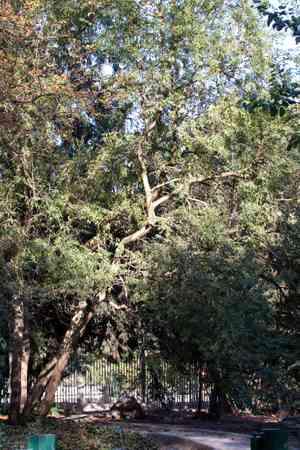
A leafy shrub recognized for its elongated foliage and delicate structure, syrian-privet thrives with targeted trimming to preserve its form and stimulate robust development. Perform pruning in late winter or early spring prior to the emergence of new shoots. Eliminate any lifeless or compromised branches, reduce density in congested zones to enhance air movement, and sculpt as preferred for visual appeal. Trimming fosters energetic new development and boosts blooming in following periods, simultaneously averting ailments by improving light exposure and ventilation.
Advantages of Trimming Syrian-privet
Advantages of Trimming Syrian-privet
Trimming syrian-privet promotes robust development and maintains its desired form. This action encourages the growth of new, healthy branches and foliage, ensuring a strong and visually appealing look.
Optimal Time for Trimming Syrian-privet
Optimal Time for Trimming Syrian-privet
The best times for trimming syrian-privet are late winter and early spring. During late winter, syrian-privet is still dormant, which minimizes stress and the chance of disease spread through cuts. This timing also allows the plant to recover before new spring growth begins. Trimming in early spring supports syrian-privet's natural growth cycle, as it prepares for vigorous development and helps shape the plant before it invests energy into foliage and flowers. Additionally, trimming during these periods allows gardeners to remove any winter-damaged branches, ensuring a healthier plant structure and encouraging a strong growing season.
Tools Required for Trimming Syrian-privet
Bypass Pruners
Perfect for making clean, accurate cuts on syrian-privet's smaller branches, up to 1/2 inch thick. Bypass pruners operate like scissors, with two sharp blades passing each other to make the cut.
Lopping Shears
Suitable for cutting branches between 1/2 inch and 1 1/2 inches in diameter. The long handles provide leverage to easily cut through syrian-privet's thicker growth, ideal for shaping and size control.
Pruning Saw
Essential for removing syrian-privet's larger branches over 1 1/2 inches in diameter. Its sharp teeth and ergonomic handle enable gardeners to quickly cut thick branches without harming surrounding plant parts.
Hedge Shears
Excellent for shaping syrian-privet when used as a hedge or for formal borders. They allow for quick, straight cuts across foliage and small branches to maintain a neat appearance.
Pole Pruner
Recommended for reaching syrian-privet's higher branches without a ladder, ensuring safety and extending the gardener's reach. The pole pruner should only be used on branches up to 1 inch in diameter.
How to Trim Syrian-privet
Clean and Sharpen Tools
Prepare clean, sharp pruning shears or loppers to ensure precise cuts that will heal quickly, thereby preventing disease.
Disinfect Tools
Sanitize tools before starting and after each cut on diseased material to prevent spreading pathogens to healthy parts of syrian-privet.
Remove Diseased and Withered Leaves
Begin by removing all diseased and withered leaves. Carefully cut the leaf stems, ensuring not to damage the adjacent healthy foliage and branches of syrian-privet.
Trimming Dead and Diseased Branches
Identify and cut back dead and diseased branches down to healthy wood. Make cuts at a 45-degree angle, just above an outward-facing bud to encourage proper new growth on syrian-privet.
Thinning
Thin out syrian-privet by removing some of the oldest branches entirely to improve air circulation and light penetration, which is essential for the plant's health and vigor.
Common Trimming Errors with Syrian-privet
Excessive trimming
Removing too much foliage at once can shock syrian-privet and impede its growth. Aim to trim no more than one-third of the plant at a time.
Inaccurate cuts
Making jagged or torn cuts can invite pests and diseases. Cuts should be clean and made at a 45-degree angle just above a leaf node or bud.
Neglecting tool hygiene
Using dirty trimming tools can spread diseases between plants. Always clean and disinfect tools before and after use.
Removing too much old wood
Syrian-privet can react poorly to extensive removal of old wood, which can reduce flowering. Focus on selective thinning of older branches.
Not trimming at all
Avoiding trimming altogether can lead to a dense, untidy growth habit in syrian-privet, which can reduce the plant's vigor and aesthetic appeal.
Ignoring weak or damaged limbs
Failing to remove dead, damaged, or diseased limbs can lead to unhealthy plants. These should be trimmed first to maintain plant health.
General Trimming Advice for Syrian-privet
Selective trimming
Thin out syrian-privet selectively to maintain its natural shape and size. Focus on removing just enough to enhance light penetration and air circulation.
Gradual shaping
Shape syrian-privet gradually over several seasons instead of drastically cutting it back in one go to avoid stress.
Tool choice
Use sharp, well-maintained trimming shears or loppers for syrian-privet. This ensures precise cuts that heal quickly and reduce the risk of disease.
Growth promotion
Trim just above a bud facing the outside of syrian-privet to encourage new growth in that direction, improving the plant's shape and fullness.
Rejuvenation trimming
Conduct a rejuvenation trimming every few years by removing older stems to stimulate new growth and promote a more youthful, vibrant plant.
Balance between trimming and health
Find a balance between shaping syrian-privet and preserving its health. Avoid excessive thinning that exposes too much of the interior to strong sunlight, which can damage the plant.



