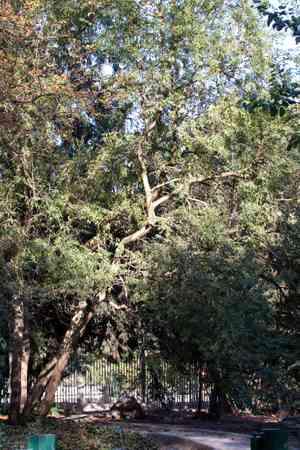
Syrian-privet (Fontanesia phillyreoides)
Also known as: No known aliases
The *Fontanesia phillyreoides*, commonly known as Syrian-privet, is a relative of the olive. Although it doesn't bear olives and isn't particularly showy, it is frequently used as a garden backdrop or hedge shrub. The genus *Fontanesia* was named to honor the French botanist Rene Louiche Desfontaines.
In This Article
Attributes of Syrian-privet
Lifespan
Perennial
Plant Type
Shrub
Plant Height
8 m
Spread
2 m
Leaf Color
Green
Flower Size
2 cm to 6 cm
Flower Color
White Yellow
Images of Syrian-privet
Quickly Identify Syrian-privet
1
Fontanesia phillyreoides can be identified by its opposite leaves, small white flowers in panicles, and its smooth greyish bark. The leaves are simple, lanceolate, and typically 2-4 cm long.
Scientific Classification of Syrian-privet
Phylum
Vascular plants
Class
Dicotyledons
Order
Lamiales
Family
Olive
Genus
Fontanesia
Species
Syrian-privet
Planting and Growing of Syrian-privet
Care Difficulty
Easy
Watering Schedule
Every 3 days
Sunlight Requirements
Full sun
Sunshine Duration
6-10 hours
Ideal Temperature
60-75℉
Soil Type
Potting Mix, Peat Mix
Soil pH
6.5-7.5
Fertilizer Type
Balanced
Pruning Season
Spring, Summer
Pruning Area
Branches, Leaves
Pruning Frequency
2 times a year
Repotting Season
Spring
Pot Type
Plastic, Ceramic
 How to Water Syrian-privet?
Fontanesia phillyreoides appreciates a moderate watering approach. It requires around 500 milliliters per session, ensuring the soil is evenly moist but not waterlogged. Always allow the top inch of soil to dry out between waterings, which mimics its natural habitat conditions.
What are the symptoms of an underwatered Syrian-privet?
›
What should I do if my Syrian-privet is not getting enough water?
›
What are the symptoms of an overwatered Syrian-privet?
›
How to save an overwatered Syrian-privet?
›
 What Are the Sunlight Requirements for Syrian-privet?
Fontanesia phillyreoides ideally requires full sun to partial sun exposure. This range boosts metabolism, ensuring the plant sustains healthy growth and produces lush foliage and blooms. Consistent exposure within this light range strengthens the plant's resilience to pests and diseases.
More About Sunlight Requirements Techniques→
What is the ideal sunlight for Fontanesia phillyreoides?
›
How can one ensure ideal light for Fontanesia phillyreoides?
›
What are the benefits of ideal light conditions?
›
 What Is the Ideal Temperature Range for Syrian-privet?
What is the ideal temperature range for cultivating Fontanesia phillyreoides? The ideal temperature range for this plant is between 60°F and 75°F. Maintaining this range promotes optimal growth and keeps the plant healthy by providing a conducive environment for photosynthesis and other essential physiological processes.
 What Soil is Best for Syrian-privet?
Fontanesia phillyreoides thrives in well-drained soil to avoid root rot. Proper drainage ensures that the root system receives the right amount of moisture without being waterlogged, promoting healthy growth and vigor. This plant benefits from nutrient-rich soil, which provides essential minerals and nutrients necessary for photosynthesis and growth processes. A well-fertilized base supports robust foliage and enhances flowering. While drainage is crucial, having soil that retains some moisture helps sustain the plant during dry spells. Balanced moisture levels aid in maintaining cell structure and processes vital for plant health.
 How to Fertilize Syrian-privet?
Fontanesia phillyreoides appreciates a balanced approach to fertilization. When using liquid fertilizer, apply approximately half the recommended strength from the manufacturer. For slow-release fertilizers, about 1 kg per mature plant is optimal for a year, divided across the application times.
 How to Prune Syrian-privet?
Start by examining the plant for any branches that are growing outside the desired shape or density. These branches can be identified by their unusual length or direction of growth. When pruning, make cuts at a 45-degree angle, slightly above a node or bud. This encourages new growth in the desired direction and promotes quicker healing of the cuts. Carefully inspect the plant for any branches or wood that are dead or show signs of disease. Removing these parts not only improves the plant's appearance but also promotes overall health by preventing the spread of disease.
More About Pruning Techniques→
 How to Propagate Syrian-privet plant?
1
Collect seeds from mature plants in autumn. Clean them thoroughly and store in a cool, dry place until planting. Some seeds may benefit from stratification to break dormancy.
2
Select healthy stems of about 6 inches from the parent plant for cuttings. Remove any leaves from the lower half of the stem and dip the cut end into rooting hormone to enhance root development.
3
Plant the seeds or cuttings into pots filled with a well-draining potting mix. Water them lightly to settle the soil but avoid overwatering as it can cause rot.
 How to Repot Syrian-privet plant?
1
It's time to repot Fontanesia phillyreoides when you notice roots growing out of the drainage holes or a significant slowdown in growth. The spring and autumn seasons provide optimal conditions for minimal stress during the transition. Examining soil compaction and poor drainage are further indicators for repotting.
2
Select a pot that is 1-2 inches larger in diameter than the current one. Ensure it has ample drainage holes to prevent waterlogging, which can lead to root rot. The new pot should provide enough space for root expansion, promoting healthier growth, while remaining proportionate to prevent excess water retention.
3
Opt for a well-draining loamy mix that balances moisture retention with good aeration. The soil should be enriched with organic matter to provide nutrients. Proper soil mix ensures that roots receive adequate oxygen, improving overall plant health and reducing the risk of root diseases.



