How to Transplant Dropwort?
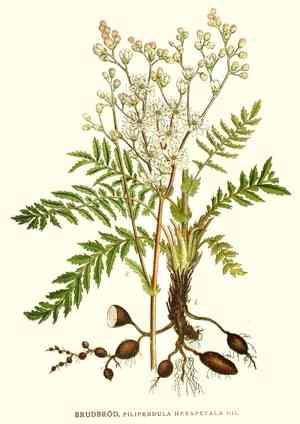
The most favorable period for transplanting dropwort is during the revitalizing embrace of early to mid-spring, as the plant's vigor experiences a resurgence. Select a brightly lit location featuring soil that drains effectively, and handle dropwort delicately to foster robust development.
What Preparations are Needed Before Transplanting Dropwort?
What is the Ideal Time for Transplanting Dropwort?
The best time to move dropwort is when spring arrives with its mild weather, typically after the last frost and when the ground is ready for cultivation. Moving dropwort during the increasing warmth of early to mid-spring allows for strong root development before summer's heat. During this period, the cool yet moderately sunny days offer perfect conditions for dropwort to recover from transplant shock, leading to robust and vibrant growth throughout the season. Utilize this transplanting window to give dropwort the best start in its new spot!
How Much Space Should You Leave Between Dropwort Plants?
When preparing the area for dropwort, position each plant approximately 2-3 feet (60-90 cm) apart. This provides each plant with sufficient individual space to grow and develop, ensuring they thrive!
What is the Best Soil Mix for Dropwort Transplanting?
For dropwort, choose a rich, well-draining soil. Mix a generous amount of organic compost or manure into the existing soil before transplanting. This helps boost nutrient levels for vigorous growth.
Where Should You Relocate Your Dropwort?
Select a garden spot where dropwort receives plenty of sunlight! Around 6 hours of sun exposure daily is ideal. However, don't worry if your chosen area is partly shaded, dropwort can tolerate that as well.
What Equipments Should You Prepare Before Transplantation Dropwort?
Gardening Gloves
To safeguard your hands while handling soil and plants.
Shovel or Spade
For digging up and moving the dropwort plant from its original spot.
Garden Trowel
To excavate the planting hole in the new location.
Watering Can
To thoroughly hydrate the plant before and after the move.
Mulch
To assist in retaining soil moisture post-transplanting.
Transplanting Fertilizer
To encourage root growth and help the plant settle into its new environment.
How Do You Remove Dropwort from the Soil?
How Do You Remove Dropwort from the Soil?
From Ground: First, water the dropwort plant thoroughly to moisten the surrounding soil. Using a shovel or spade, dig a wide circle around the plant, maintaining a safe distance from the main stem to prevent root damage. Once a trench is formed, work your way beneath the root ball, gently loosening the soil, and then carefully lift the plant out.From pot: Begin by watering the plant well. Tilt the pot sideways and gently tap or squeeze its sides to loosen the plant. Finally, pull the plant out by the base, keeping the root ball intact. If the plant is stuck or doesn't come out easily, you might need to cut the pot.From seedling tray: First, dampen the soil to facilitate the process. Then, simply invert the tray and tap it gently. The seedlings should slide out. Handle the young dropwort by its leaves, not its stem, and ensure you carry the seedling with some original soil attached.
Step-by-Step Guide for Transplanting Dropwort
Preparation
Water the dropwort plant generously several hours before moving it. Meanwhile, get the new site ready. Dig a hole twice as wide and slightly deeper than the plant's root ball. Ensure the soil at the bottom is loose for easy root penetration.
Transplanting
Lower the plant into the new hole. The top of the root ball should be even with or slightly above the surrounding ground level. Backfill the soil around the root ball, gently firming it.
Feeding
After transplanting, provide the plant with a transplanting fertilizer, rich in phosphorus, which is beneficial for root development.
Watering
Water the plant thoroughly immediately after transplanting. This helps the soil settle around the roots and minimizes air pockets.
How Do You Care For Dropwort After Transplanting?
Mulching
Apply mulch around the plant's base, but keep it away from the stem. This helps retain soil moisture and control weeds.
Watering
Water the dropwort plant regularly, especially during the initial weeks after transplanting. Its water needs typically increase as it tries to grow new roots.
Pruning
If the plant shows signs of transplant shock, such as wilting or yellow leaves, consider light pruning to reduce its water requirements by trimming back its upper growth.
Monitoring
Watch for pests and diseases. Transplanting can stress the plant, making it vulnerable. If signs are observed, address them promptly.
Troubleshooting Common Issues with Dropwort Transplantation.
When is the best time in the year to transplant dropwort?
The optimal period for transplanting dropwort is between late spring and early summer, which corresponds to the S1-S2 timeframe.
How much space should I leave between each dropwort when transplanting?
Each dropwort needs about 2-3 feet (60-90 centimeters) of spacing to ensure adequate growth and prevent overcrowding.
What should I consider when choosing the location for dropwort planting?
Dropwort thrives in a sunny area with well-draining soil. A spot with partial shade in harsh summer climates is also acceptable.
What kind of soil is best for transplanting dropwort?
Dropwort prefers well-drained soil. Clay, loam, or sandy soil types enriched with organic matter work best for this plant.
What preparation do I need to do for the soil before transplanting dropwort?
Prepare the soil by incorporating ample organic matter. Ensure it has good drainage to prevent standing water after rain or irrigation.
Is it necessary to water dropwort immediately after transplantation?
Yes, watering dropwort right after transplanting helps the plant establish quickly. It also aids in settling the soil around the roots.
Should I prune dropwort during the transplanting process?
Pruning is not required during the transplanting process. However, you can trim damaged or diseased roots before planting if necessary.
Do I need to add fertilizer when transplanting dropwort?
Adding a slow-release fertilizer can boost the plant's growth. Incorporating organic compost will also provide nutrients and improve the soil's water retention capacity.
How deeply do I need to plant dropwort when transplanting?
The planting hole for dropwort should be deep enough to cover the root system. Typically, it's about the same size as the root ball.
What steps can I take if dropwort shows signs of distress after transplanting?
If dropwort exhibits signs of distress, ensure it's receiving the correct amount of sun and water. It might also be helpful to check for pests or diseases.



