How to Propagate Dropwort?
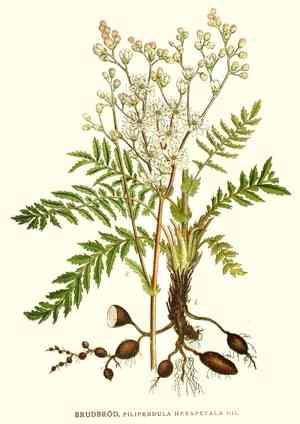
Filipendula vulgaris flourishes when reproduced through seeding. For successful reproduction, employ a potting blend that drains efficiently and sustain steady hydration without saturating the soil. Disperse the seeds superficially, as they need illumination for proper sprouting. A spot offering ample, diffused light will also contribute to peak development. Maintaining uniformly damp soil and supplying mild warmth can additionally boost germination success.
Optimal Time for Dropwort Propagation
Propagation Method
Seeding
Propagation Period
Spring
Tools for Dropwort Propagation
Seed trays
Seed trays are crucial for initiating dropwort from seeds. These containers facilitate uniform seed distribution within a controlled setting, offering ample room for initial root expansion. Their shallow depth and segmented design simplify seedling oversight and care, ensuring consistent growth without overcrowding.
Potting mix
A premium, well-draining potting mix is vital for successful dropwort seed germination. The right blend supports moisture retention without becoming waterlogged, creating an ideal environment for delicate new roots to efficiently absorb nutrients. This mix often includes vermiculite or perlite to boost soil aeration, which is essential for healthy seedling development.
Watering can with a fine rose
This implement is essential for gently irrigating dropwort seeds without disturbing their placement or harming fragile seedlings. The fine rose attachment evenly and softly disperses water, preventing soil erosion while ensuring all seeds receive adequate moisture, which is critical for consistent germination and growth.
Labeling sticks
Accurate labeling with sticks assists in identifying dropwort seed trays, especially when multiple species are being propagated concurrently. This organization helps track growth progress and apply specific care routines for each species, thereby optimizing propagation outcomes.
Grow lights (if indoor propagation)
Grow lights are important when propagating dropwort indoors or in areas with insufficient natural light. They supply the necessary light spectrum to support photosynthesis, which is crucial for seedling growth and development. Adjustable settings on these lights allow for simulating natural daylight cycles, enhancing the plants' overall health and vitality.
How to Propagate Dropwort?
Propagation Type
Simple
Caring for Newly Propagated Dropwort
Caring for Newly Propagated Dropwort
Post-propagation, maintain moderately moist and well-drained soil. Dropwort thrives in cooler, damp conditions, so mulching can help retain soil moisture and regulate temperature. Regularly inspect for pests and diseases, as dropwort can occasionally be prone to fungal infections. In early spring, apply a balanced, slow-release fertilizer to encourage robust growth and enhance flowering.
Common Errors to Avoid When Propagating Dropwort
Overwatering
Excessive watering can cause root rot, a condition harmful to dropwort's roots that significantly reduces its ability to absorb nutrients and water, potentially leading to plant death.
Deep Planting
Planting dropwort's tubers too deeply can impede their ability to sprout, as dropwort requires appropriate soil depth for adequate growth and root development.
Neglecting Division Timing
Improperly dividing dropwort or doing so at random times can stress the plant, resulting in weak growth or failure. Correct timing ensures the plant is robust enough to recover and grow effectively.
Ignoring Soil Conditions
Using soil that lacks proper drainage or sufficient fertility can hinder dropwort's growth, as it prefers well-drained yet fertile soil to flourish.
Tips For Propagating Dropwort
Proper Depth and Spacing
When planting dropwort's tubers, ensure they are not placed too deep and provide ample space between them to encourage proper growth and prevent resource competition.
Regular Monitoring
Keep a close watch on moisture levels; while dropwort needs moist soil, too much water can be detrimental. Proper monitoring helps maintain an optimal balance.
Soil Preparation
Before planting, enrich the soil with organic matter to boost its fertility and improve drainage, which is vital for dropwort's healthy growth.
Periodic Division
To maintain plant vigor and enhance propagation success, dropwort should be divided every few years. This process promotes rejuvenation and reduces overcrowding.



