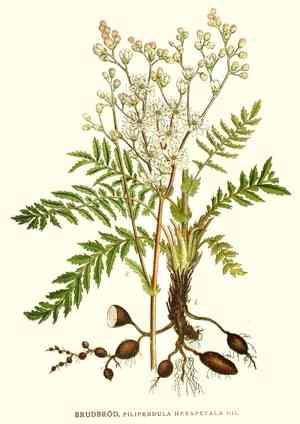
Dropwort (Filipendula vulgaris)
Also known as: Meadowsweet
Dropwort is a simple-to-cultivate plant within the rose family. Its name comes from the tuberous formations hanging from its roots, resembling water droplets. It thrives well in both full sunlight and partial shade.
In This Article
Attributes of Dropwort
Lifespan
Perennial
Plant Type
Herb
Plant Height
20 cm to 50 cm
Spread
38 cm to 45 cm
Leaf Color
Green Blue
Flower Size
5 mm to 8 mm
Flower Color
White Red
Images of Dropwort
Quickly Identify Dropwort
1
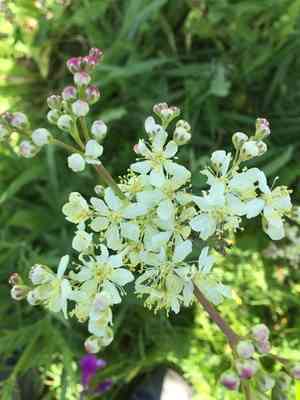
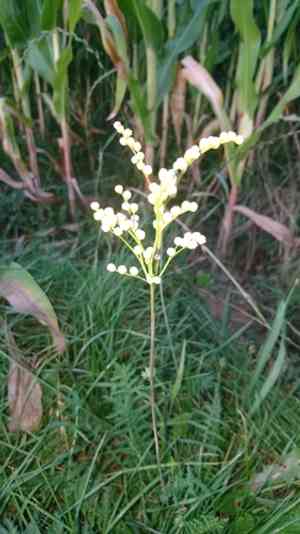
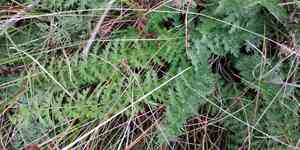
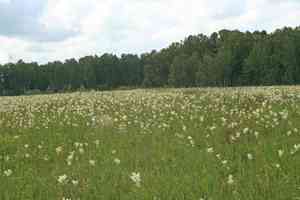
The plant can be identified by its fern-like leaves and delicate, creamy white flowers arranged in clusters. The flowers have a sweet scent, and the foliage is typically finely dissected, with a basal rosette of leaves.
Scientific Classification of Dropwort
Phylum
Vascular plants
Class
Dicotyledons
Order
Rosales
Family
Rose
Genus
Filipendula
Species
Dropwort
Planting and Growing of Dropwort
Care Difficulty
Easy
Watering Schedule
Every 3 days
Sunlight Requirements
Full sun
Sunshine Duration
8-12 hours
Ideal Temperature
60-75℉
Soil Type
Potting Mix, Peat Mix
Soil pH
6.5-7.5
Fertilizer Type
Balanced
Pruning Season
Spring, Summer
Pruning Area
Branches, Leaves
Pruning Frequency
2 times a year
Repotting Season
Spring
Pot Type
Plastic, Ceramic
 How to Water Dropwort?
Filipendula vulgaris prefers moderate watering. Do not soak the soil completely; rather aim for deep watering where approximately 500 ml suffices to moisten the soil without over-saturating it.
What are the symptoms of an underwatered Dropwort?
›
What should I do if my Dropwort is not getting enough water?
›
What are the symptoms of an overwatered Dropwort?
›
How to save an overwatered Dropwort?
›
 What Are the Sunlight Requirements for Dropwort?
Full sun to partial sun allows Filipendula vulgaris to fully engage in photosynthesis, promoting abundant flowering and robust foliage.
More About Sunlight Requirements Techniques→
How much sunlight does Filipendula vulgaris prefer?
›
What solutions are there to achieve ideal lighting?
›
How does ideal sunlight exposure benefit the plant?
›
 What Is the Ideal Temperature Range for Dropwort?
The range of 60-75°F provides optimal conditions for Filipendula vulgaris growth due to balanced environmental factors. This temperature supports active photosynthesis, optimal enzyme activity, and healthy transpiration rates. In this range, the plant efficiently manages its physiological processes, contributing to robust health and effective nutrient uptake.
 What Soil is Best for Dropwort?
Filipendula vulgaris thrives in well-drained soils, which prevent waterlogging and root rot. This is essential for root health and promotes robust plant growth, ensuring a more vibrant display of its delicate flowers. The plant prefers soils that are rich in minerals and nutrients. Such composition supports vigorous growth, providing the plant with the essential nutrients to sustain its metabolic needs and flower production. While the plant doesn't require constant moisture, it benefits from soil that retains some moisture without becoming soggy. This balance prevents dehydration while avoiding the pitfalls of overly wet soil.
 How to Fertilize Dropwort?
Filipendula vulgaris benefits from a balanced amount of fertilizer. Apply liquid fertilizer at half the recommended strength to avoid over-fertilization. Use slow-release granules sparingly, only once every four months, ensuring the soil is not overly enriched as this plant thrives in moderately fertile conditions.
 How to Prune Dropwort?
Before you start pruning Filipendula vulgaris, ensure your tools are sharp and clean to make precise cuts and avoid the spread of diseases. Use a pair of sharp scissors or pruning shears. Begin by examining the plant to identify any dead, damaged, or diseased stems that need removal, which will improve air circulation within the plant. Begin by cutting back any dead stems to ground level. Trim away old flower stems by cutting them just above a set of healthy leaves. This encourages new growth and more blossoms. If the plant has become too dense, thin it out by cutting some of the older stems to their base. Make sure each cut is clean and angled to prevent water from sitting on the cut surface. Once pruning is completed, apply fertilizer to encourage robust new growth. Ensure the plant is adequately watered, but avoid over-watering. Mulching around the base helps to retain moisture and suppress weeds. Check the plant periodically for any signs of disease or pests that might have been overlooked.
More About Pruning Techniques→
 How to Propagate Dropwort plant?
1
Fill the seed tray with a well-draining potting mix. Sow the seeds about 1 cm deep and space them evenly. Water the seeds lightly and place the tray in a warm, sunny location.
2
Carefully dig up the plant during its dormant period. Shake off excess soil and use pruning shears to divide the root clumps, ensuring each division has roots and shoots.
3
Plant the root divisions in a prepared garden bed or pot with good drainage. Position them at the original planting depth, water them in well, and mulch to retain moisture.
 How to Repot Dropwort plant?
1
Filipendula vulgaris often signals its need for repotting when growth becomes stunted or roots begin to circle the pot. It's a spring-flowering plant, and early spring is the perfect moment to repot just before active growth begins. Look for signs like difficulty retaining moisture or diminished blooming as indications it’s time to upgrade its living quarters.
2
Select a pot that is one size larger than the current one, ensuring it has sufficient drainage holes. This new home should provide enough room for expanded root growth without overwhelming the plant. A well-chosen pot prevents issues like waterlogging, helping maintain plant health by allowing superior air circulation around the roots.
3
Opt for a well-draining loamy soil mix for Filipendula vulgaris. This sort of soil allows for excellent water retention while still permitting excess water to escape, preventing root rot. The balance of nutrients and aeration offered by loamy soil ensures vigorous growth and blooms, contributing to the plant's overall vitality.



