How to Prune Dropwort?
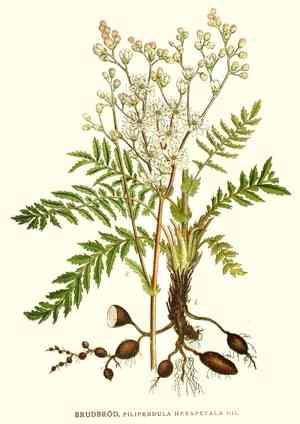
This perennial herb, recognized for its airy flower groupings and deeply incised foliage, thrives with judicious trimming to preserve its form and vitality. Essential pruning methods for dropwort entail removing faded blossoms in summer to stimulate additional flowering and trimming back leaves following the initial autumn frost. Spring maintenance involves eliminating deceased or compromised stalks to foster fresh development. Pruning guarantees robustness and floral output, with caution exercised to avoid excessive trimming, which could impede its natural spread and establishment.
Advantages of Trimming Dropwort
Advantages of Trimming Dropwort
Trimming dropwort promotes more abundant blooms, stimulates vigorous development ensuring the plant stays healthy and strong, and maintains its form for a well-kept garden appearance.
Optimal Time for Pruning Dropwort
Optimal Time for Pruning Dropwort
Late Spring is suitable for pruning dropwort as it has finished blooming and the risk of frost has passed, allowing cuts to heal without cold damage. Early Summer is also ideal as it enables gardeners to shape dropwort during its active growth phase, encouraging robust development and maintaining a desired form without stressing the plant. Fall offers another chance to prune dropwort as it allows for the removal of any dead or diseased growth before the plant enters dormancy, which can enhance overall health and vigor for the subsequent growing season.
Necessary Tools for Pruning Dropwort
Bypass Pruners
Perfect for making clean cuts on green, live stems of dropwort without causing unnecessary harm to the plant's tissues.
Floral Snips
Useful for deadheading dropwort and precisely trimming small, delicate stems or spent flowers.
Pruning Shears
These are crucial for cutting back the foliage of dropwort, especially for shaping the plant and managing its spread.
Gardening Gloves
Though not a cutting tool, gloves are essential for safeguarding the gardenerâs hands from thorns and sap when pruning dropwort.
How to Prune Dropwort
Prepare tools
Sanitize all pruning tools before beginning to prevent the spread of diseases to dropwort.
Trim diseased leaves
Carefully remove any diseased leaves from dropwort using clean, sharp shears. Make the cut at the base of the affected leaf to encourage quicker healing.
Remove withered leaves
Look for withered leaves on dropwort and prune them at the stem junction for a clean cut and to promote healthy new growth.
Deadhead flowers
Snip off faded flowers of dropwort close to the base of the bloom to maintain a neat appearance and encourage further flowering.
Cleanup
Collect and dispose of all trimming waste away from dropwort to prevent the potential spread of any latent diseases.
Common Pruning Errors with Dropwort
Over pruning
Removing too much growth at once can stress dropwort and hinder its ability to thrive. This can be particularly damaging if large portions of the plant are cut away, as dropwort needs sufficient foliage for photosynthesis and to maintain its health.
Improper cut location
Cutting too far from a bud or node or leaving a long stem above a bud can impede efficient healing and growth. It can also lead to dieback and potential infections.
Unsterilized tools
Using unclean pruning tools can introduce diseases to dropwort. Sterilization of tools between cuts, especially when moving between different plants, is vital to prevent the spread of pathogens.
Neglecting dead removal
Failing to remove dead or dying foliage can detract from dropwort's appearance and health, as decaying material can harbor pests and diseases.
Incorrect tool use
Utilizing the wrong type of pruning tool can damage dropwort's stems and leaves, impeding smooth cuts and potentially crushing plant tissue instead of slicing through it.
General Pruning Advice for Dropwort
Clean and sharp tools
Ensure all pruning tools are clean and sharp before starting. This helps make precise cuts that heal quickly, minimizing stress on dropwort.
Prune to healthy tissue
When removing damaged or diseased portions, always cut back to healthy tissue to encourage dropwort's recovery and continued growth. This will also help maintain an aesthetically pleasing shape.
Angle cuts away from buds
Angle cuts slanting away from buds to prevent water accumulation and subsequent rot or disease. This technique also encourages growth in the desired direction.
Thin out dense growth
Thin out dense areas to improve air circulation, which can help prevent fungal diseases and promote a robust structure for dropwort.
Understanding growth pattern
Recognize the growth habit of dropwort to prune effectively. Dropwort has a clumping growth pattern, so it's important to maintain its natural shape for optimal health and visual impact.



