How to Transplant Meadowsweet?
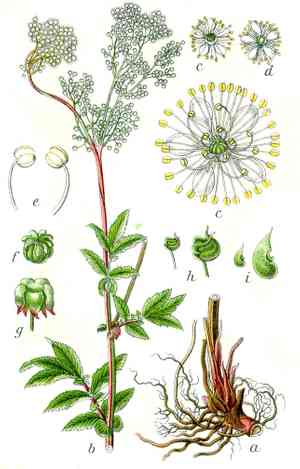
The optimal period for relocating meadowsweet is during the garden's spring revival, from its initial stirrings to its peak flowering. Select a location featuring damp earth that gets some sunlight. Carefully managing the root mass promotes a smooth acclimation.
What Preparations are Needed Before Transplanting Meadowsweet?
What is the Ideal Time for Transplanting Meadowsweet?
The optimal period for relocating meadowsweet spans from the refreshing start of early spring until the vibrant growth of late spring. During this timeframe, moderate temperatures and gentle spring rains create an ideal setting for root establishment, preventing the strain of intense summer heat. It's a moment when the revitalized soil and increasing daylight work together to promote robust growth, making it a perfect opportunity for meadowsweet to flourish in its new spot.
How Much Space Should You Leave Between Meadowsweet Plants?
Hello there, gardening enthusiast! When preparing to move your meadowsweets to a new location, remember to provide them with adequate personal space. Aim to position them approximately 18-24 inches (45-60 cm) apart. This will allow them ample room to thrive and expand their root systems!
What is the Best Soil Mix for Meadowsweet Transplanting?
Your meadowsweets will flourish in soil that is consistently moist yet drains effectively. Prior to planting, enhance the soil with a generous amount of organic compost to ensure their well-being. Incorporating a balanced fertilizer during planting will give your meadowsweets a strong beginning!
Where Should You Relocate Your Meadowsweet?
For optimal growth, your meadowsweets will perform best in a location that receives ample light but also offers some protection from intense sun. A combination of morning sunlight with dappled afternoon shade is perfect. Seek out a spot that mimics a breezy meadow environment!
What Equipments Should You Prepare Before Transplantation Meadowsweet?
Gardening Gloves
To safeguard your hands while handling soil and plants.
Shovel or Spade
For digging around and beneath the meadowsweet to carefully remove it.
Garden Fork
To loosen and aerate the soil in the designated transplanting area.
Watering Can or Garden Hose
For hydrating the plant beforehand and watering the new site.
Pruners or Scissors
To trim any dead or damaged roots if necessary.
Wheelbarrow or Plant Trolley
For moving the meadowsweet from its current spot to the new one.
Mulch
To aid in moisture retention and regulate soil temperature post-transplant.
Stake or Plant Support
To keep the meadowsweet upright in its new position if required.
How Do You Remove Meadowsweet from the Soil?
How Do You Remove Meadowsweet from the Soil?
From Ground: First, hydrate the meadowsweet plant to moisten the soil surrounding its root zone. Next, use a shovel or spade to excavate a wide circle around the plant, being careful not to harm the roots. Gently maneuver the tool under the root ball and lift the meadowsweet from the ground.From Pot: Water the meadowsweet to ensure the soil is damp. Incline the pot on its side, lightly tapping the base and sides to dislodge the plant. Carefully slide the root ball out of the pot.From Seedling Tray: Dampen the soil in the tray to facilitate the removal of young meadowsweet plants. Use a small implement or your fingers to lift each plant by the base of its stem, taking care not to crush or break the delicate roots.
Step-by-Step Guide for Transplanting Meadowsweet
Pre-Watering
Water the meadowsweet several hours before transplanting to ensure root hydration and easier soil manipulation.
Excavation
Carefully dig a hole in the new location that is twice as wide and the same depth as the meadowsweet's root ball.
Root Inspection
Examine the meadowsweet root ball for any indications of disease or damage. Use pruners to remove any problematic areas.
Placement
Position the meadowsweet in the center of the newly dug hole, ensuring it is set at the same depth it was previously growing.
Soil Backfill
Gently refill the hole with soil around the meadowsweet's root ball, eliminating any air pockets by firming the soil.
Watering In
Immediately water the meadowsweet generously to settle the soil around its roots and remove any remaining air pockets.
Mulching
Apply a layer of mulch around the base, being careful to keep it away from the stem to minimize the risk of rot.
Staking
If the meadowsweet is tall or in a windy spot, insert a stake a few inches from the base and gently tie it to the plant for support.
How Do You Care For Meadowsweet After Transplanting?
Watering Consistency
Water the meadowsweet regularly to maintain consistently moist soil, especially during its initial growing season until it is well-established.
Checking the Stake
If you have staked the meadowsweet, inspect regularly to ensure the ties are not too tight and adjust them as the plant grows.
Observation
Monitor the meadowsweet for signs of stress such as wilting or yellowing leaves and take appropriate action if needed, such as adjusting watering or providing shade.
Mulch Maintenance
Keep the mulch layer intact to conserve moisture and suppress weeds, replenishing it as necessary.
Troubleshooting Common Issues with Meadowsweet Transplantation.
When is the best time to transplant meadowsweet?
The optimal period for relocating meadowsweet is during the refreshing early to late spring.
How far apart should I space meadowsweet when transplanting?
Ideal spacing for meadowsweet is approximately 18-24 inches (45-60 cm) to ensure ample room for growth.
What should I do if meadowsweet's leaves wilt after transplanting?
Provide shade and ensure the soil remains consistently moist to aid meadowsweet in recovering from transplant shock.
Can meadowsweet be transplanted in hot summer months?
It's best to avoid hot periods; early to late spring offers the most favorable conditions for transplanting meadowsweet.
How deep should the hole be for transplanting meadowsweet?
Excavate a hole as deep as the root ball and twice as wide to accommodate meadowsweet's roots without crowding.
What soil conditions favor meadowsweet after transplanting?
Enrich the site with organic matter and ensure it drains well, yet retains moisture for healthy meadowsweet development.
How much should I water meadowsweet post-transplanting?
Water thoroughly after transplanting, then keep the soil moist but not waterlogged to help meadowsweet establish.
Is it necessary to prune meadowsweet when transplanting?
Light pruning can stimulate new growth, but it is not essential during the transplantation of meadowsweet.
How can I protect meadowsweet from pests during transplant?
Inspect regularly, and if pests are found, use appropriate, gentle treatments to avoid stressing the transplanted meadowsweet.
Why is my meadowsweet not blooming after being transplanted?
This could be due to transplant shock. Allow it time to adjust, provide proper care, and avoid excessive fertilization.



