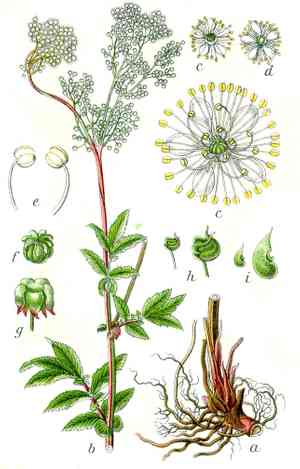
Meadowsweet (Filipendula ulmaria)
Also known as: Bridewort, Pride of the meadow, Honey-sweet
Meadowsweet, known for its pleasant fragrance, typically grows in meadows. This perennial herb belongs to the rose family and originates from Europe, the British Isles, and western Asia. Additionally, it has been introduced to parts of North America. Meadowsweet, or Filipendula ulmaria, is commonly used in potpourris and to enhance the flavor of beers, wines, and stews.
In This Article
Attributes of Meadowsweet
Lifespan
Perennial
Plant Type
Herb
Plant Height
1 m to 2 m
Spread
40 cm to 50 cm
Leaf Color
Green Silver Yellow Gray
Flower Size
5 mm
Flower Color
White Pink Cream
Images of Meadowsweet
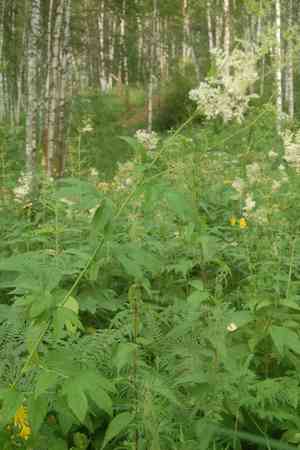
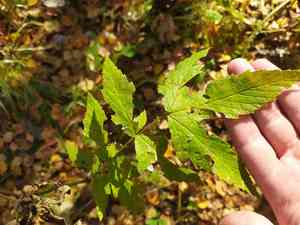
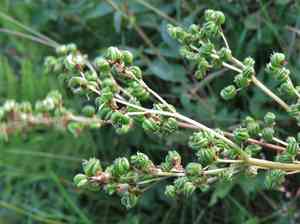
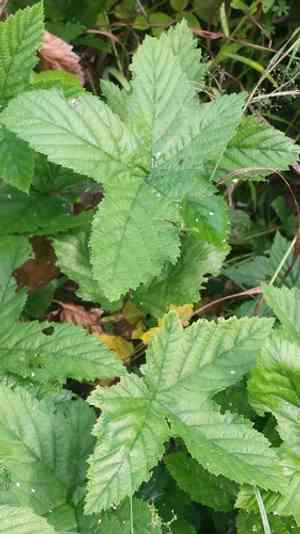
Quickly Identify Meadowsweet
1
Clusters of tiny yellowish white flowers in dense upright panicles
2
Fragrant compound leaves with serrated margins, resembling those of elm trees
3
Thrives in moist conditions, reaching around 4 feet (122 cm) in height
4
Leaves with 7 to 9 oblong leaflets measuring 2 to 4 inches (5 to 10 cm)
5
Distinct sweet fragrance from flowers and foliage, enhancing identification
Scientific Classification of Meadowsweet
Phylum
Vascular plants
Class
Dicotyledons
Order
Rosales
Family
Rose
Genus
Filipendula
Species
Meadowsweet
Planting and Growing of Meadowsweet
Care Difficulty
Easy
Watering Schedule
Every 8 days
Sunlight Requirements
Partial sun
Sunshine Duration
4-6 hours
Ideal Temperature
60-70℉
Soil Type
Potting Mix, Peat Mix
Soil pH
6.5-7.5
Fertilizer Type
Balanced
Pruning Season
Spring, Summer
Pruning Area
Branches, Leaves
Pruning Frequency
2 times a year
Repotting Season
Spring
Pot Type
Plastic, Ceramic
 How to Water Meadowsweet?
Queen of the Meadows enjoys consistently moist soil, though it doesn’t tolerate overly soaked environments. Aim to give it about 500ml per watering session. Make sure the water reaches down to the roots without leaving puddles in the pot or on the ground. This amount keeps the plant lush while avoiding root rot.
What are the symptoms of an underwatered Meadowsweet?
›
What should I do if my Meadowsweet is not getting enough water?
›
What are the symptoms of an overwatered Meadowsweet?
›
How to save an overwatered Meadowsweet?
›
 What Are the Sunlight Requirements for Meadowsweet?
Filipendula ulmaria thrives in partial to full sun conditions, ideally in regions providing morning sunlight and protection from harsh afternoon heat. This range boosts photosynthesis, ensuring lush growth and striking floral displays pivotal to its ornamental charm.
More About Sunlight Requirements Techniques→
How much sunlight does Filipendula ulmaria love?
›
What are the best ways to ensure it receives enough light?
›
Why is this light condition critical for its health?
›
 What Is the Ideal Temperature Range for Meadowsweet?
Filipendula ulmaria thrives best in a temperature range of 60°F to 70°F. This range provides the warm days and cool nights that mimic its natural growing conditions, ensuring robust growth and optimal flowering.
 What Soil is Best for Meadowsweet?
Filipendula ulmaria thrives in soils that retain moisture without waterlogging. This ensures the roots have consistent access to water, boosting the plant's lush growth and abundant blooms. The plant prefers nutrient-rich soil to support its rapid growth and vibrant flowers. Applying organic matter can improve soil fertility, encouraging healthy plant development. Although it requires moisture, Filipendula ulmaria does not tolerate stagnant water. Well-draining soil helps prevent root rot and supports overall plant health.
 How to Fertilize Meadowsweet?
For Filipendula ulmaria, applying too much fertilizer can burn the roots, while too little will stunt its growth. Use a balanced 10-10-10 liquid fertilizer at half strength to avoid overcrowding the soil with nutrients.
 How to Prune Meadowsweet?
To start pruning Meadowsweet, wait for the early signs of spring or the active growing period in summer. Begin by sterilizing your pruning shears to prevent disease. Identify any dead or diseased canes and cut them back to the base. Next, focus on thinning congested areas to allow better air circulation within the plant. This species benefits from selective trimming, so remove any weak or crossing branches to maintain an attractive open structure. Aim to shape the plant in a way that encourages sunlight to reach its core, promoting even growth.
More About Pruning Techniques→
 How to Propagate Meadowsweet plant?
1
Collect seeds from mature Filipendula ulmaria plants in late summer. Clean and dry them before storing in a cool, dry place until spring. Scarify seeds gently to improve germination rates.
2
In early summer, select healthy, non-flowering stems about 10 cm long for cuttings. Cut just below a node and remove the lower leaves, keeping two to three leaves at the top.
3
In late autumn, carefully dig up mature Filipendula ulmaria clumps. Divide the root ball into smaller sections, ensuring each has sufficient roots and shoots, and replant immediately.
 How to Repot Meadowsweet plant?
1
Filipendula ulmaria needs repotting when you notice roots emerging from drainage holes or growth slowdown. Repotting is ideally in spring or early summer when active root growth can help the plant easily establish in its new container.
2
Select a pot slightly larger than the current one with good drainage to avoid waterlogging. A slightly larger pot encourages root expansion without overwhelming the plant, ensuring healthy growth and easy management.
3
Choose a moist, well-drained loam soil mix that retains moisture while ensuring aeration. This type of soil supports nutrient uptake and prevents root rot, creating an ideal environment for healthy plant growth.



