How to Prune Meadowsweet?
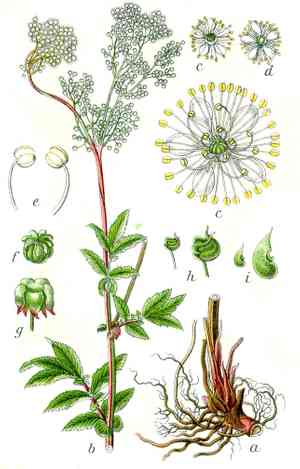
Meadowsweet, a perennial herb recognized for its airy bunches of off-white blossoms and toothed foliage, flourishes with little upkeep. Essential trimming entails removing faded flowers to stimulate additional blooming and cutting back after flowering to preserve a neat form. Optimal pruning occurs in spring or early summer, fostering robust development and hindering seed dissemination, which could result in undesirable proliferation. Trimming also contributes to a more robust plant by enhancing air movement and lowering the likelihood of illness.
What Are the Benefits of Pruning Meadowsweet?
What Are the Benefits of Pruning Meadowsweet?
Trimming meadowsweet promotes robust development and maintains its form. By selectively removing plant sections, resources are redirected to new growth, resulting in a healthier and more attractive specimen.
What Is the Best Time for Pruning Meadowsweet?
What Is the Best Time for Pruning Meadowsweet?
Pruning meadowsweet in late winter or early spring is optimal as the plant remains dormant before new growth emerges. This timing helps avoid cutting into new shoots that appear in spring, which can harm the plant's vitality and flower production. Furthermore, the absence of leaves during this period allows for clearer visibility of the plant's structure, enabling more precise and strategic cuts. Pruning just before the start of the growing season also allows meadowsweet to heal quickly from pruning wounds, reducing the risk of disease and stress. Additionally, since meadowsweet flowers on new wood, pruning in late winter or early spring encourages strong growth and abundant blooming in the subsequent summer months.
What Tools Do I Need to Prune Meadowsweet?
Bypass Pruners
Meadowsweet's soft green stems during the growing season can be easily cut with sharp bypass pruners. Their scissor-like action will make clean cuts without crushing the stems, which is crucial for the health of meadowsweet.
Handheld Shears
For shaping meadowsweet and cutting back larger sections of growth, handheld shears are effective and allow for quick, straight cuts across the plant.
Pruning Saw
If meadowsweet has any old, woody stems, use a pruning saw. This tool can handle thicker stems that pruners or shears cannot cut through cleanly.
Gloves
While pruning meadowsweet, it's advisable to wear gloves to protect your hands from any rough plant material or sharp tools.
How to Prune Meadowsweet
Clean tools
Sanitize your pruning shears with alcohol or a bleach solution before starting to prevent the spread of diseases to meadowsweet.
Remove diseased leaves
Carefully examine meadowsweet and identify any diseased leaves. Use the shears to clip these off at their base, taking care not to damage adjacent healthy tissue.
Prune withered leaves
Locate withered or dead leaves on meadowsweet and trim them at the base as well. Doing so will improve the plant's overall appearance and health.
Cut diseased stems
Identify and remove any diseased stems on meadowsweet by cutting just above a healthy leaf node or bud using an angled cut. This encourages proper healing and new growth.
Dispose of trimmed materials
Dispose of all removed diseased leaves and stems from meadowsweet appropriately, preferably by burning or placing in a sealed bag, to prevent the spread of pathogens.
Common Pruning Mistakes with Meadowsweet
Over-pruning
Removing too much foliage or too many stems at once can stress meadowsweet, hindering its ability to thrive and potentially leading to a weaker, less floriferous plant.
Improper cuts
Making jagged or tearing cuts can lead to damaged tissue, increasing the susceptibility of meadowsweet to diseases and pests. It's crucial to use sharp, clean tools to make clean cuts.
Pruning live flower heads
Cutting off live, healthy flower heads can reduce the ornamental value of meadowsweet and its potential to attract pollinators to the garden.
Neglecting deadheading
Failing to remove spent blooms can prevent meadowsweet from redirecting its energy into producing more flowers and can lead to self-seeding if not desired.
Ignoring plant health
Pruning without first assessing the health of meadowsweet can remove parts that are essential for its recovery from stress or damage.
Common Pruning Tips for Meadowsweet
Selective thinning
Thin out crowded stems to improve air circulation and light penetration, which will promote the overall health and vigor of meadowsweet.
Deadheading
Regularly remove spent flower heads to encourage meadowsweet to produce more blooms and to maintain a tidy appearance. This also prevents unwanted self-seeding.
Cutting to a node
Always prune just above a leaf node to stimulate meadowsweet to produce strong new growth. Node is the point on the stem where leaves are attached.
Maintain plant shape
Shape meadowsweet by selectively pruning to keep its natural form, enhancing its appearance and encouraging healthy growth patterns.
Post-bloom pruning
Cut back faded flowering stems of meadowsweet to tidy up the plant and, in some cases, possibly promote a second flush of blooms later in the season.



