How to Transplant Moreton bay fig?
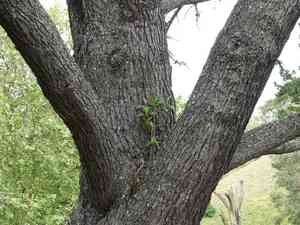
The optimal period for relocating moreton bay fig is mid-spring, fostering vigorous development. Select an expansive, brightly lit spot, verifying the earth is rich and drains effectively to support moreton bay fig's impressive size.
Essential Preparations Before Relocating Moreton Bay Fig
Optimal Period for Transplanting Moreton Bay Fig?
The best time to move moreton bay fig is during the gentle warmth of late spring. This period provides balanced weather, minimizing transplant shock. Shifting moreton bay fig now leverages the season's mild temperatures, which encourages root establishment before the peak of summer. Relocating in this window allows moreton bay fig ample time to adjust, optimizing growth in the coming months. Positioning moreton bay fig during this time sets the stage for robust development, aligning with natural growth cycles for smooth transitions and successful outcomes.
Required Spacing Between Moreton Bay Fig Plants?
You should position your moreton bay fig approximately 10-12 feet (3-3.7 meters) apart, providing each plant ample room for development. Generous spacing helps them thrive and become healthier, so be liberal with the area, especially for these magnificent specimens.
Ideal Soil Blend for Moreton Bay Fig Transplanting?
Prior to planting, prepare a rich, loamy soil with abundant organic matter. Incorporating a scoop of bone meal, or a similar slow-release calcium-rich fertilizer, into the planting hole will significantly enhance your moreton bay fig's growth. Always use a high-quality, well-draining soil mixture!
Recommended Location for Relocating Your Moreton Bay Fig?
For optimal results, select a site where your moreton bay fig will receive full to partial sunlight daily. They thrive in sunny conditions but can also tolerate some shade. Ensure the area isn't overly congested; they truly appreciate their own sunny space!
Equipment Needed Before Transplanting Moreton Bay Fig?
Gardening gloves
To safeguard your hands while handling soil and plants.
Shovel or Spade
Useful for extracting the plant from the ground or seedling tray and for excavating the new planting site.
Pruning Shears
These are crucial for trimming any damaged or excessive roots from moreton bay fig.
Hose or Watering Can
You will require this to hydrate the plant both before and after its relocation.
Wheelbarrow
This can save time and effort when moving moreton bay fig from its original spot to the new transplant location.
Mulch
It aids in retaining moisture and suppressing weeds around the plant post-transplant.
How to Extract Moreton Bay Fig from the Soil?
How to Extract Moreton Bay Fig from the Soil?
From Ground: Start by watering moreton bay fig to moisten the soil. Use a shovel to dig a wide trench around the plant, being careful not to harm the roots. Gently lift the root ball with the spade, aiming to keep as much of the root system intact as possible.From Pot: Begin by thoroughly watering moreton bay fig, then tilt the pot sideways and carefully slide the plant out, taking care not to pull or stress the stem or roots. If the plant resists, try tapping the sides and bottom of the pot to loosen the root ball.From Seedling Tray: Water moreton bay fig in its tray. Carefully place your fingers under the seedling, lifting the plant by the root ball and not by the stem. If the roots are intertwined with other seedlings, slowly separate them to prevent root damage.
Detailed Guide for Transplanting Moreton Bay Fig
Digging Hole
Excavate a hole in the prepared ground that is twice as wide and slightly deeper than moreton bay fig's root ball. Form a mound in the center of the hole to evenly distribute the roots.
Preparing moreton bay fig
Inspect the root ball for any damaged roots and trim them using sharp, clean pruning shears. Do the same for any dead or damaged branches.
Placing moreton bay fig in Hole
Position moreton bay fig in the hole, ensuring it is centered and the top of the root ball is level with or slightly above ground level. Spread the roots over the mound.
Filling Hole
Gradually backfill the hole with soil, gently firming it around the roots to eliminate air pockets. Water moreton bay fig deeply.
Mulching
Apply a layer of mulch around moreton bay fig, leaving some space at the base of the trunk to prevent potential disease issues. This will help retain moisture and deter weeds.
Post-Transplant Care for Moreton Bay Fig
Watering
Ensure moreton bay fig remains well-hydrated, especially during the initial weeks, which are crucial for establishment. Do not allow the soil to completely dry out.
Monitoring
Observe moreton bay fig for indications of transplant shock, such as yellowing leaves, wilting, or a general decline in health. If these signs appear, intensify your care efforts.
Pruning
Refrain from any significant pruning until moreton bay fig has had a full year to establish itself in its new location. This allows the plant to prioritize root growth over foliage development.
Protection
Shield moreton bay fig from harsh weather conditions and pests by applying mulch and using netting or fencing if necessary.
Resolving Common Issues with Moreton Bay Fig Transplantation.
When is the optimal time of year to move moreton bay fig plants?
The best period to relocate moreton bay fig is typically during S2 or the second growing season. This will help your plant establish itself firmly in its new environment.
What distance should I maintain between two moreton bay fig during relocation?
Ideally, keep a distance of approximately 10-12 feet (3-3.65 meters) between two moreton bay fig plants. This will provide them with sufficient space for optimal growth.
What action should be taken if moreton bay fig's leaves begin wilting post-transplant?
If moreton bay fig's leaves start wilting, ensure it receives adequate but not excessive water. Apply mulch around the plant to retain moisture and reduce stress.
What type of soil is required for transplanting moreton bay fig?
Moreton bay fig requires well-draining soil for optimal growth. Enrich the soil with organic material to boost its fertility before transplanting.
Is it necessary to prune moreton bay fig during transplanting?
Yes, prune moreton bay fig before transplanting. Remove any dead or damaged branches to encourage healthier growth and facilitate transplantation.
What precautions should I take when removing moreton bay fig from its original location?
Be extremely careful to avoid damaging the root ball when removing moreton bay fig. Try to retain as much of the original soil around the roots during relocation.
How can I tell if moreton bay fig has acclimatized post-transplant?
If moreton bay fig begins showing new growth, it is acclimatizing well. However, monitor it for at least a full growing season to ensure complete acclimation.
What should be the depth of the hole for transplanting moreton bay fig?
The hole should be at least twice the width and equal in depth to the root ball of moreton bay fig. This ensures ample space for roots to spread.
How to water moreton bay fig after transplantation?
Immediately after relocating, water moreton bay fig thoroughly. Subsequently, maintain consistent watering, ensuring the soil is moist but not waterlogged.
Can I transplant moreton bay fig into a pot?
Yes, moreton bay fig can be transplanted into a pot. Ensure the pot size is appropriate and provides proper drainage. Also, repot every 2-3 years for optimal growth.



